 MineArchive
Kellingley Colliery
| Location | Knottingley, North Yorkshire — 53.7053, -1.2066 (exact) |
|---|---|
| Commodity | Coal |
| Type | Coal |
| Worked | 1965–18 December 2015 |
| Maximum depth | Unknown. |
| Operators | National Coal Board (1965–1994), UK Coal (1994–2015) |
Overview
Kellingley Colliery, the 'Big K' on the North/West Yorkshire border, was once the largest deep coal mine in Europe, employing over 2,000 people at its peak and capable of raising 900 tonnes of coal an hour. Its closure on 18 December 2015, with 450 miners on the final shift, ended deep coal mining in Britain outright.
History
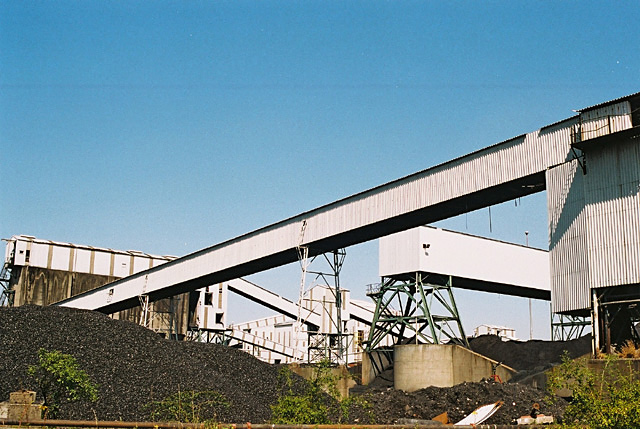
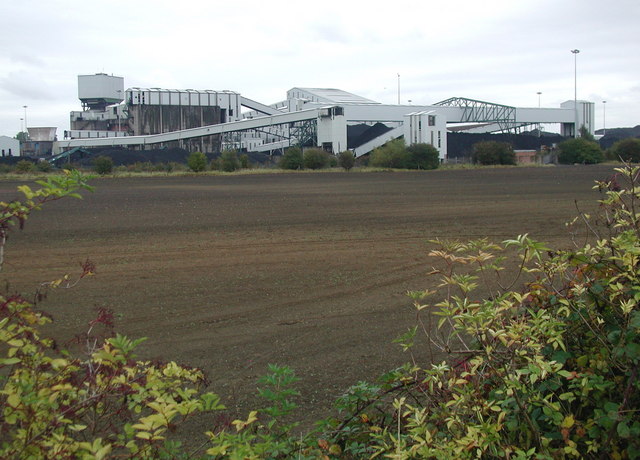
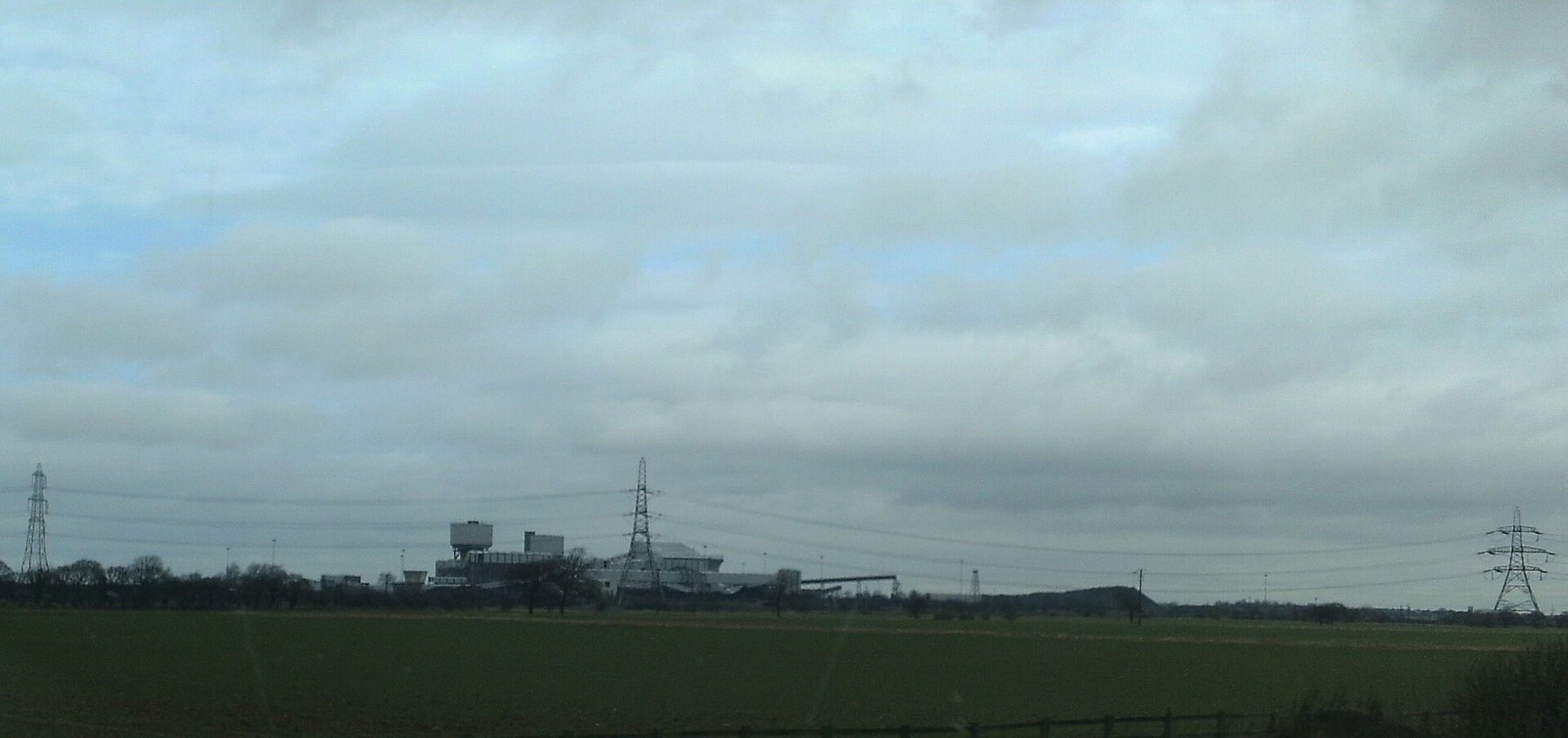
Exploratory boreholes in the 1950s established up to seven workable coal seams at Kellingley, and two shafts were sunk from 1960. Production began in 1965 from the Beeston seam, run first by the National Coal Board (later British Coal) and, after privatisation, by UK Coal from 1994. At its peak the colliery employed over 2,000 people and was the largest deep mine in Europe, capable of bringing up to 900 tonnes of coal an hour to the surface, supplying mainly local power stations. Employment had fallen to around 800 by the mine's final years.
Seventeen names were on the memorial to the colliery's dead when it closed. Almost all of them died one at a time: Don Cook in a rock fall on 30 September 2008, Ian Cameron when equipment fell on him on 18 October 2009, Gerry Gibson in a roof collapse on 27 September 2011 that also injured another man, and so on through fifty years of roof falls, machinery and vehicles. The colliery's owner was prosecuted and fined after Gibson's death. The one incident large enough to have its own record here is the methane explosion of November 2010, which forced the evacuation of around two hundred men and killed nobody — it is here for its scale and its findings about ventilation rather than for a death toll.
Geology
Kellingley worked the Yorkshire coalfield's productive Barnsley and related seams via twin shafts sunk from 1960.
Geological setting: Sedimentary Beds and Seams (well documented example)
Workings
Coal was raised through twin shafts and worked from up to seven seams identified by exploratory boring, using mechanised longwall faces typical of a late-20th-century deep mine.
Closure
Kellingley closed on 18 December 2015 as the last deep coal mine in Britain, with 450 miners working the final shift — an event widely reported as the definitive end of deep coal mining in the country, more than two centuries after it began.
What remains
The winding towers and most surface structures were demolished after closure (the landmark headstock tower came down in 2017); the site has since been redeveloped as a business park. An exploration report from September 2016 found active demolition under way, with security tightened and internal access increasingly restricted even as some surface buildings still stood.
Nothing of the colliery. The shafts were emptied of their cables and ropes and filled with a concrete plug about ten metres deep, the surface buildings were demolished and the site levelled before it passed to Harworth Estates; the landmark headstock tower came down in 2017.
Redevelopment
The site is being developed in phases over a ten-year plan into commercial units. It trades as Konect 62, a rail-connected logistics and manufacturing park on about 136 acres; the first occupier arrived in 2021, and a further full application for twenty-odd industrial units with a new access road from Weeland Road went before North Yorkshire Council's Selby and Ainsty area planning committee in November 2025.
Related mines
- Gascoigne Wood Mine — Both were UK Coal deep mines after privatisation in 1994.
- Harworth Colliery — Both were UK Coal deep mines after privatisation in 1994.
- Welbeck Colliery — Both were UK Coal deep mines after privatisation in 1994.
- Wistow Mine — Both were UK Coal deep mines after privatisation in 1994.
Nearby mines
- Fryston Colliery — 4.9 miles (7.9 km) NW, West Yorkshire
- Glasshoughton Colliery — 4.9 miles (7.9 km) W, West Yorkshire
- Gascoigne Wood Mine — 5.3 miles (8.5 km) N
- Wheldale Colliery — 5.4 miles (8.8 km) W, West Yorkshire
- Askern Main Colliery — 6.0 miles (9.7 km) SE, South Yorkshire
Straight-line distance, within 9 miles (15 km). Show on the map.
Disasters & major incidents
-
Kellingley Colliery gas explosion, 2010
23 November 2010 · Explosion · 0 fatalities
A methane explosion in Kellingley Colliery's 501's District during the evening shift on 23 November 2010 forced the evacuation of 218 miners. No one was killed or seriously injured, but a Health and Safety Executive investigation found a poorly maintained safety curtain had let an explosive gas mixture build up, and the mine's operator was later prosecuted and fined.
Recorded claims
Individual factual claims, each attached to the source(s) that support it below. Where sources disagree, both are kept.
- At its peak Kellingley employed over 2,000 people and was the largest deep coal mine in Europe, capable of raising up to 900 tonnes of coal an hour. 1,2
- 17 miners were killed at Kellingley across its working life, mostly in isolated roof-fall, machinery and vehicle incidents; the colliery's owner was fined after the 2011 roof-fall death of miner Gerry Gibson. 2,3
- The colliery closed on 18 December 2015 with 450 miners on the final shift, ending deep coal mining in Britain. 1
- Seventeen people were listed on the memorial to those who died during the mine's operation as at 31 October 2015. Among them were Don Cook, killed in a rock fall on 30 September 2008, Ian Cameron, killed by falling equipment on 18 October 2009, and Gerry Gibson, killed in a roof collapse on 27 September 2011. 1
- The shafts were emptied of cables and ropes and filled with a concrete block about ten metres deep; the surface buildings were demolished and the site levelled before ownership passed to Harworth Estates for redevelopment. 1
- The former colliery is being redeveloped as the Konect 62 employment site, with a further full application for industrial units and a new access road from Weeland Road before North Yorkshire Council's Selby and Ainsty area planning committee in November 2025. 4
- The BGS mine-plans catalogue holds a Mining Remediation Authority abandonment plan titled 'Kellingley' (catalogue 18342, Black Bed, dated 2015). 5
- Located at about 53.705 N, 1.207 W. 1
Photographs & further reading
The sinking, the scale of the pit at its height, the roll of those killed there, the last shift of 18 December 2015 and what was done to the shafts and buildings afterwards.
View sourceSources
- (secondary) Kellingley Colliery — Wikipedia
- (secondary) Kellingley Colliery: History behind the Yorkshire coal mine that closed 10 years ago — Yorkshire Post
- (secondary) Kellingley Colliery owner fined over miner Gerry Gibson's death — BBC News
- (primary) Selby and Ainsty Area Planning Committee, 20 November 2025: ZG2023/1293/FULM, former Kellingley Colliery, Turvers Lane — North Yorkshire Council
- (primary) BGS / Mining Remediation Authority mine plans: KELLINGLEY — British Geological Survey / Mining Remediation Authority
- (observational) Kellingley Colliery, North Yorkshire, September '16 — 28DaysLater Urban Exploring Forums
- (secondary) UK Coal admits safety breach after Kellingley pit explosion — HazardEx
Record created: 20 August 2026 · Last researched: 9 September 2026