 MineArchive
Killhope Lead Mine
| Location | Cowshill, Weardale, County Durham — 54.7811, -2.2713 (exact) |
|---|---|
| Commodities | Lead, Zinc |
| Type | Metal |
| Worked | 1818–1910 |
| Operators | W. B. Lead Company (1818–1883), Weardale Lead Company (1884–1910) |
Overview
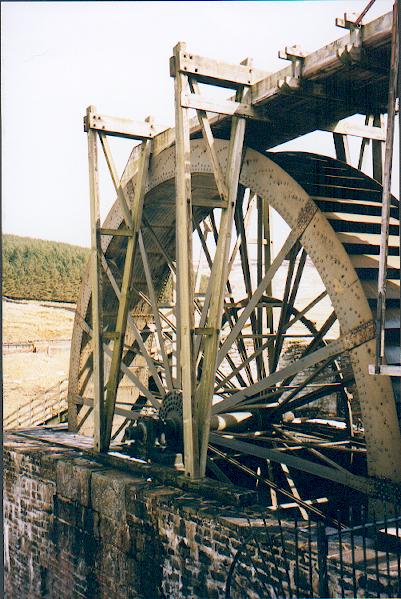
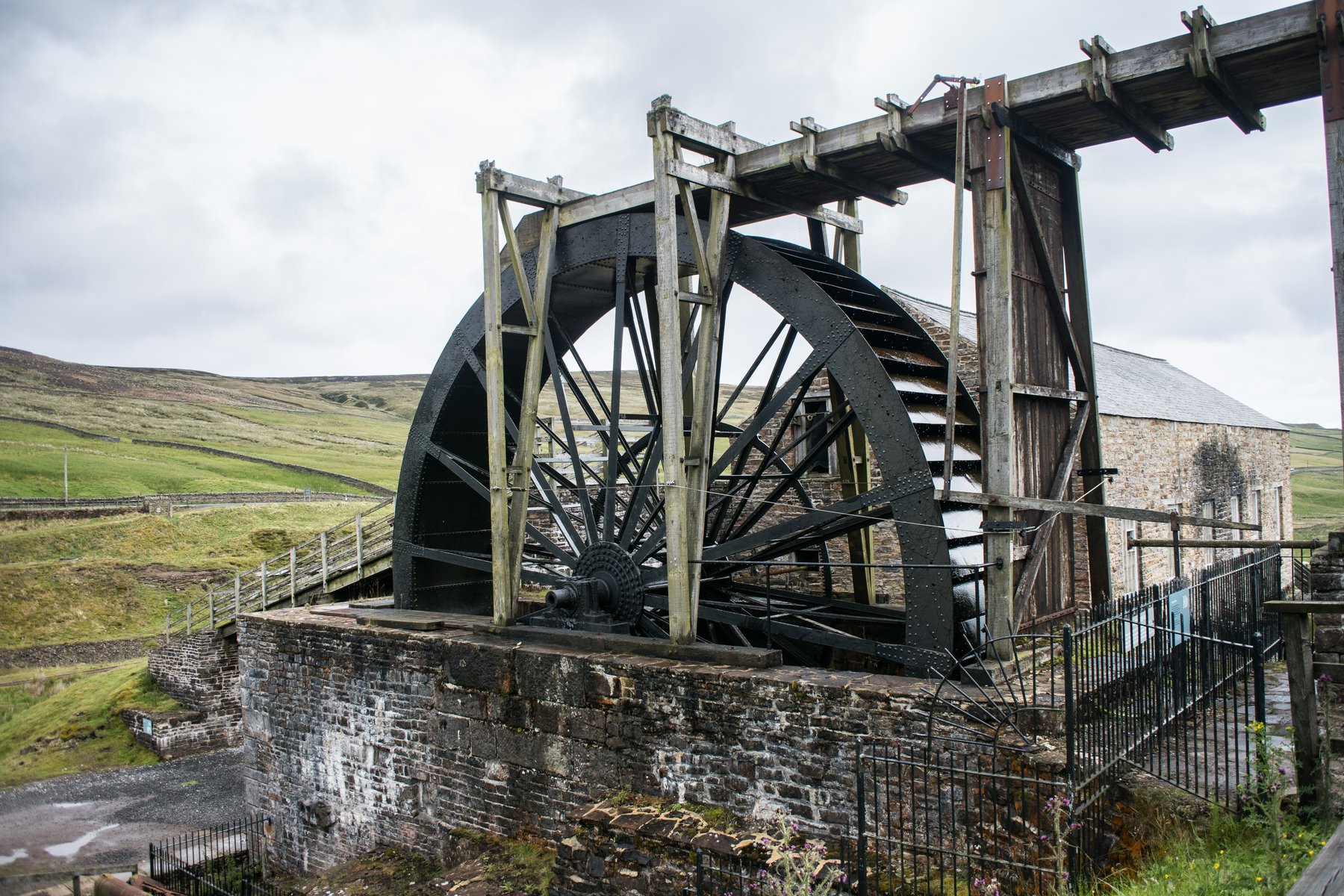
Killhope, in upper Weardale, was a working lead mine centred on Park Level, now preserved as the North of England Lead Mining Museum — one of the region's best-known surviving lead-mining landscapes, complete with its iconic 1870s waterwheel.
History
Mining in the Killhope area predates detailed records; output before 1818 alone is estimated to have exceeded 60,000 tonnes. From 1818 the W.B. Lead Company drove and operated Park Level Mine, the district's principal working, eventually intersecting eleven mineral veins and producing over 31,200 tonnes of lead concentrate by 1883. The Weardale Lead Company took over from 1884, adding a further 9,000 tonnes before production ceased in 1910 as prices fell. The mine reopened briefly during the First World War in 1916, then lay abandoned for over 60 years. A small-scale operation in the 1950s recovered around 180 tonnes of zinc concentrate from old waste material.
Geology
The mine worked a series of lead-bearing veins in the North Pennines orefield, with Park Level eventually intersecting eleven separate mineral veins.
Geological setting: Hydrothermal Deposits (well documented example), Veins and Lodes (well documented example)
Workings
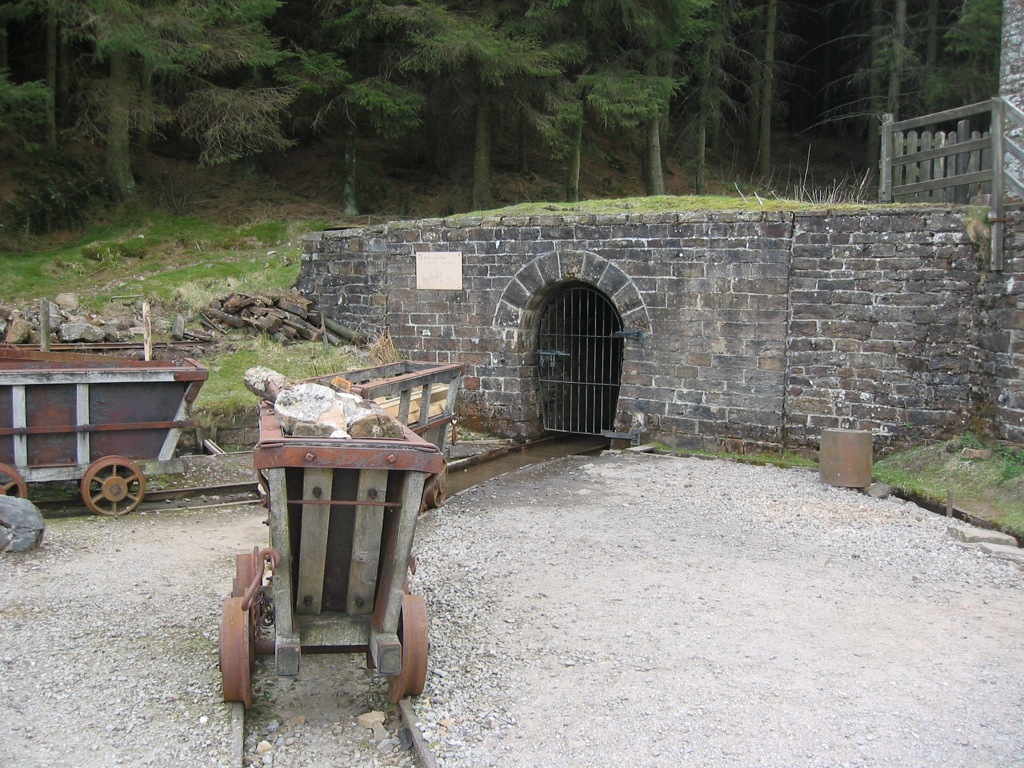
Park Level extends into the fellside alongside Killhope Burn; the first 100 metres remain accessible to visitors today, with deeper sections collapsed and unsafe. Ore was crushed and dressed using water power, including the surviving waterwheel now known as the Killhope Wheel.
Closure
Lead production ceased in 1910 as prices fell; a brief wartime reopening in 1916 was the mine's last significant working period before it was abandoned for more than 60 years.
What remains
The site was restored as a museum from 1984, with the mineshop opening that May, the Killhope Wheel restored in 1991, and underground mine access opened to visitors in 1996. It is currently closed: three years of major restoration were completed successfully, but a potentially serious safety issue was then identified with the historic reservoirs that feed the waterwheel, and a geotechnical survey of them is required before reopening — a step confirmed in consultation with Historic England and the Health and Safety Executive. A planned May reopening was postponed and no new date has been announced, though the museum's staff have continued outreach work in the community meanwhile.
Surviving and restored structures include the washing floor, mine shop, buddle house, jigger house, the Armstrong/Killhope waterwheel, mine cart ramp, launder and water race bridges — several individually listed, with the site as a whole containing a scheduled monument.
Redevelopment
Around £1.15 million has been invested in recent restoration work through Arts Council England and Durham County Council funding, though the site's temporary closure means visitor access is currently limited.
Related mines
- Rookhope (Boltsburn Mine) — Both were Weardale Lead Company mines in the same Durham dales.
Nearby mines
- High Sedling Mine — 1.5 miles (2.4 km) E
- Coalcleugh — 2.1 miles (3.4 km) NW, Northumberland
- Rampgill Mine — 2.2 miles (3.5 km) W, Cumbria
- Swinhope Mine — 2.1 miles (3.5 km) N, Northumberland
- Middlecleugh Mine — 2.3 miles (3.8 km) W, Cumbria
Straight-line distance, within 9 miles (15 km). Show on the map.
What's uncertain
Points where sources disagree or the record could not be settled; both accounts are kept. All open questions in the archive.
- Total output from the Killhope workings before 1818 alone is estimated to have exceeded 60,000 tonnes of lead concentrate. (uncertain) 2
Recorded claims
Individual factual claims, each attached to the source(s) that support it below. Where sources disagree, both are kept.
- The museum's own website states it is currently closed following a safety issue with the historic reservoirs feeding the waterwheel, with reopening postponed pending restoration work. 1
- Total output from the Killhope workings before 1818 alone is estimated to have exceeded 60,000 tonnes of lead concentrate. (uncertain) 2
- The Park Level Mine intersected eleven mineral veins; W. B. Lead extracted around 31,200 tonnes of lead concentrate before 1883, and Weardale Lead a further 9,000 tonnes between 1884 and 1916. 2
- The 1878 ore mill was powered by a metal waterwheel roughly ten metres in diameter, built by the Tyneside firm of William Armstrong, and remains the largest working waterwheel in the north of England. 2,3
- The BGS holds eight catalogued Killhope plan records, most with publicly viewable scans, among them a longitudinal section of Park Level itself, a longitudinal section of the Killhope Vein, and a section of the Middle Grove workings. 4
- The closure follows three years of restoration that had themselves been completed successfully. A geotechnical survey of the reservoirs is required before the site can reopen, a step confirmed in consultation with Historic England and the Health and Safety Executive; a planned May reopening was postponed and no new date has been given. Museum staff have continued outreach work in the community during the closure. 1
Photographs & further reading
Further freely-licensed photographs of the waterwheel and mine buildings.
View sourceSources
- (primary) Killhope Lead Mining Museum — Killhope Lead Mining Museum
- (secondary) North of England Lead Mining Museum — Wikipedia
- (secondary) Show Mines of Great Britain: Killhope Lead Mining Museum — Show Caves of the World
- (primary) Killhope and Park Level mine plans (BGS catalogue) — British Geological Survey
Record created: 19 August 2026 · Last researched: 28 August 2026