 MineArchive
Calcite
| Category | Commodities |
|---|---|
| Commodity page | Calcite → |
A soft, common carbonate mineral (CaCO₃) mined as a vein "spar" alongside lead, fluorspar and other Peak District ores, distinct from limestone (the bulk sedimentary rock made largely of the same mineral) and valued for its purity and industrial uses.
Historical usage
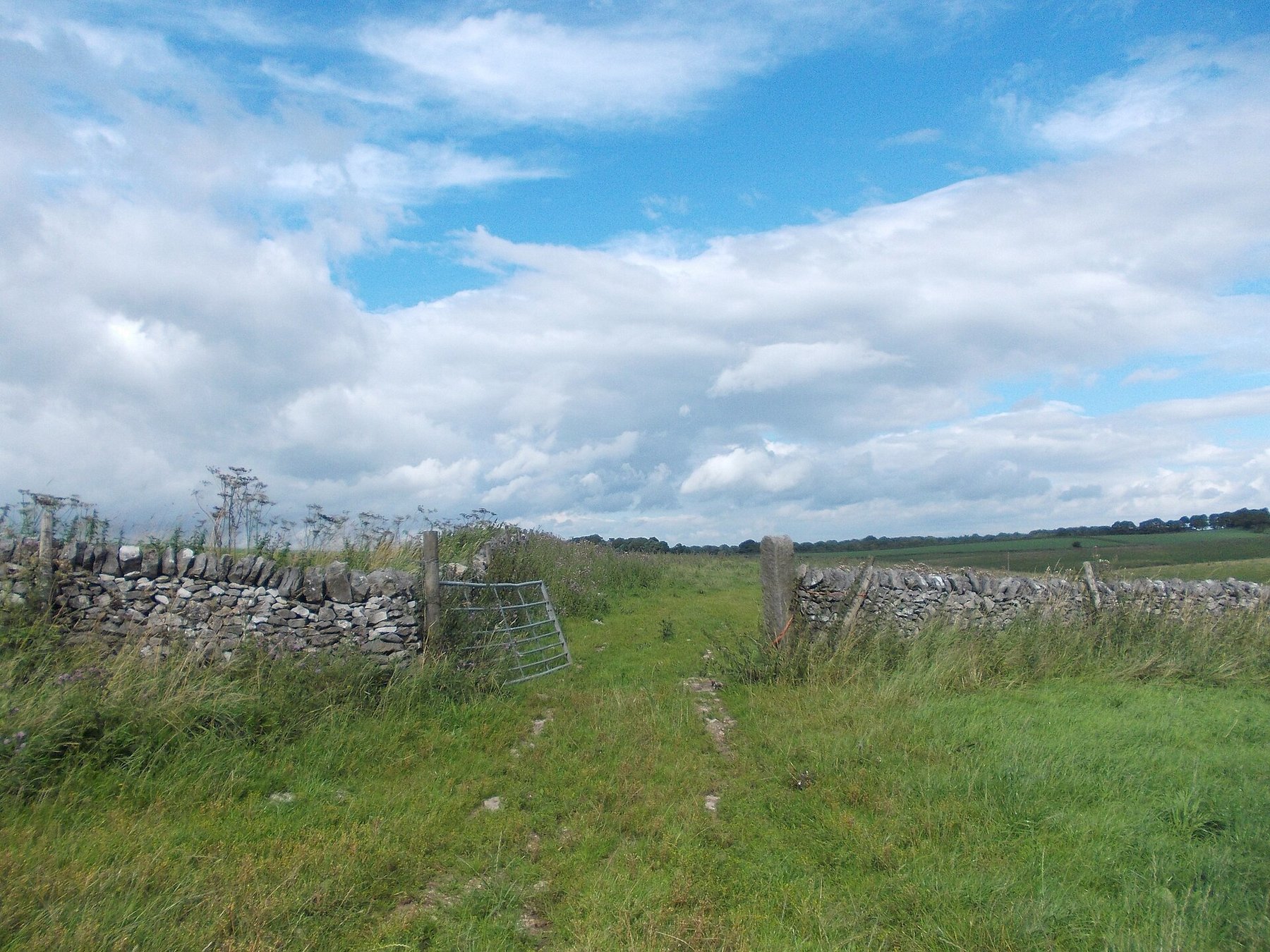
Calcite mining as a distinct trade developed in the Peak District from the mid-Victorian period, worked from the western parts of major mineral veins ("rakes") such as Long Rake, initially as a by-product of lead and fluorspar working before becoming a target in its own right; over a million tonnes have been extracted from Derbyshire's orefield. The Long Rake Spar Mining Company, formed in 1881, shifted much of its business specifically toward calcite, sold commercially as "Derbyshire Spar," and processing at the site continues today even though underground extraction ended in 1981. Long Rake's own account has the mine officially opened in 1867 on Staley and Shimwell land at Youlgreave, bought by the landowner Thomas Shimwell about ten years later and renamed the Long Rake Spar Mining Company in 1881, given by him to his daughter Mary in 1913 for her income, and at its most productive in the 1920s under Captain Percy Potter, when twelve miners raised about 12,200 tons of calcite and 100 tons of lead ore a year for stucco and terrazzo, with pebble-dash, gardens and driveways as growing markets. Arbor Low mine nearby opened in 1922, and Derbyshire Aggregates has processed spar on that site since 1987.
How it worked
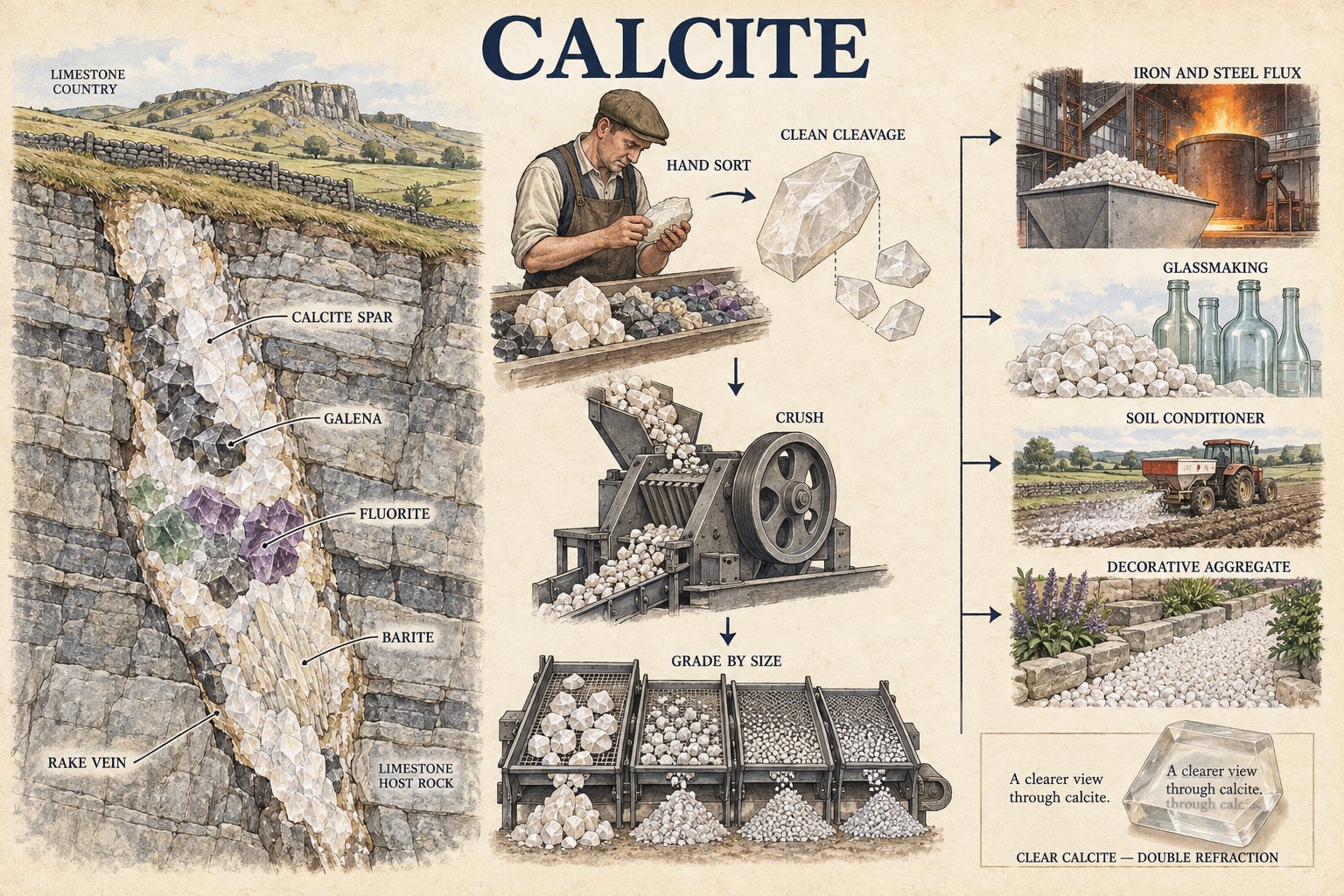
Calcite occurred as vein-filling crystalline "spar" alongside galena, fluorspar and barite, worked by the same shaft-and-level methods as the associated metal ores. Because calcite is soft and cleaves cleanly, it could be readily hand-sorted from waste rock, then crushed and graded for its various commercial uses.
Why it was used
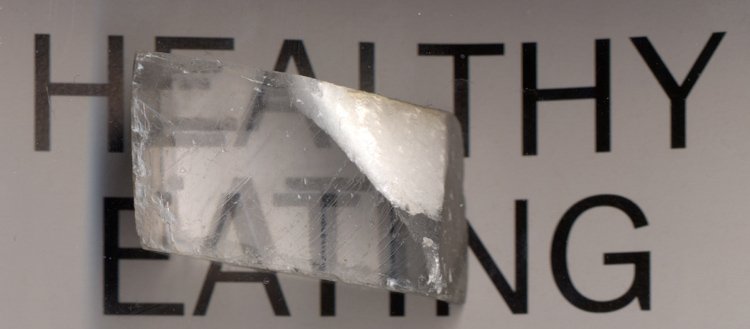
Pure calcite's chemical simplicity made it valuable as a flux in ironworking and steelmaking, as a raw material for glassmaking, and as an agricultural soil conditioner; the rare optically clear variety, Iceland spar, was prized historically for scientific instruments exploiting its strong double refraction of light.
Value over time
Calcite has never commanded anything like the price of a metal ore, and its value has always rested on volume and purity rather than scarcity — its main historical markets (ironworking flux, glass manufacture, agricultural lime) were steady industrial demand rather than speculative commodities. That steadiness is part of why Long Rake's surface processing operation has outlived nearly every metal mine in the Peak District, continuing to process calcite commercially long after underground lead and fluorspar working in the district ended. The 1920s figures show the economics: twelve men, twelve thousand tons of a stone worth shillings, and a hundred tons of lead as the by-product the trade had once been. Extraction at Long Rake stopped in 1981 when the price of spar fell below what underground working cost, and the company that carries the name is a decorative-aggregates business supplied largely by road.
Hazards & challenges
Calcite itself is chemically inert and only mildly abrasive, posing far less respiratory risk than quartz-bearing rock, but Peak District calcite miners worked the same veins as fluorspar and galena and so faced the broader hazards of underground metal mining generally — rockfall, flooding and, where fluorspar or galena dust was also present, the more serious silicosis and lead-exposure risks documented across the wider orefield.
Risks & limitations
As essentially a by-product mineral riding alongside lead and fluorspar veins, calcite's economics were tied to whatever the primary ore of a given mine was — when lead or fluorspar working ended, calcite extraction usually ended with it unless, as at Long Rake, the operation could pivot to focus on calcite specifically.
Regional variation
Almost exclusively a Derbyshire Peak District story in Britain, tied to the same rake veins that produced the county's lead and fluorspar.
Related terminology
Mines associated with this term
5 examples chosen from 10 linked records — the term page is not an index.
- Cae Coch Sulphur Mine — Conwy (well documented example)
Calcite formations have grown underground since the workings were abandoned, alongside vivid iron- and sulphur-stained pools. - Charterhouse Roman Mines — Somerset (well documented example)
The miners worked galena intermixed with calcite veins in the Mendip limestone — the gangue they had to break through to reach the lead. - Hazard Mine — Derbyshire (well documented example)
Named twice in this record, first in the history: “…were got. The extensive hillocks that once surrounded it were mainly calcite, thrown out by the mid-nineteenth century workings — the gangue…” - Long Rake Spar Mine — Derbyshire (well documented example)
Shifted its focus to calcite, sold commercially as 'Derbyshire Spar', alongside lead and fluorspar from 1881; surface processing continues today. - Mountsorrel Quarry — Leicestershire (well documented example)
The dolerite dykes carry a rare assemblage of asphaltite with dolomite-calcite and pyrite — described as probably the best occurrence of asphaltite in Britain.
See every mine that worked calcite →
Sources
- (primary) Arbor Low Calcite Mine, Youlgreave, Derbyshire — Peak District Mines Historical Society
- (secondary) Calcite mining in the Peak District — ResearchGate
- (secondary) Calcite: Properties, Formation, Occurrence and Uses — GeologyScience
- (secondary) Our Heritage — Long Rake Spar — Long Rake Spar
- (secondary) Spar (mineralogy) — Wikipedia
Record created: 22 August 2026 · Last researched: 8 September 2026