 MineArchive
Orgreave Colliery
| Location | Orgreave, between Sheffield and Rotherham, South Yorkshire — 53.3792, -1.3647 (exact) |
|---|---|
| Commodity | Coal |
| Type | Coal |
| Worked | 1851–October 1981 |
| Maximum depth | Unknown. |
| Operators | Rother Vale Colliery Company (1875–1918), United Steel Companies (1918–1947) |
Overview
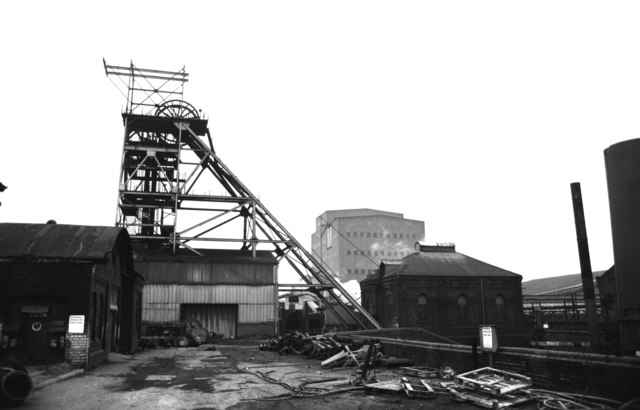
Orgreave Colliery worked coal between Sheffield and Rotherham from 1851 until October 1981. It was bought by the Fence Colliery Company in 1870 and became part of Rother Vale Collieries Limited in 1875, alongside Fence and later Treeton, to which it was connected underground. After the First World War the United Steel Companies took it over and used its coal to feed the new Orgreave Coking and By-Products plant, sending metallurgical coke to their blast furnaces at Scunthorpe and, from 1922, coke oven gas to the Sheffield Gas Company. The colliery closed in 1981 and the coking ovens in 1990; the last coal left the site on 30 November 2005, after opencast recovery from a spoil tip said to hold over 12 million tonnes. The reclaimed ground is now the Advanced Manufacturing Park and the Waverley development.
History
Coal mining around Orgreave began with the Sorby family's Dore House Colliery in 1820, and the first shaft of Orgreave Colliery itself was sunk in 1851. A little over a mile east, below the village of Fence, another colliery was begun in 1842; it was bought in 1862 and the Fence Colliery Company founded around it. That company acquired Orgreave from the Sorbys in 1870, and in 1875 its directors leased land from the Duke of Norfolk and renamed themselves Rother Vale Collieries Limited, holding Orgreave and Fence and later sinking a new colliery at Treeton. Fence was connected underground to Orgreave from 1887 and coal was drawn there from 1904. After the First World War the United Steel Companies acquired Orgreave and tied it to their own steelmaking: its coal fed the new Orgreave Coking and By-Products plant, which supplied metallurgical coke to United Steel's blast furnaces at Scunthorpe, and from 1922 coke oven gas to the Sheffield Gas Company, an arrangement that lasted until North Sea gas arrived. Nationalisation split the enterprise: the mining went to the National Coal Board while the coal processing and chemicals stayed with United Steel through their subsidiary the United Coke & Chemical Company. The colliery was served at shift changes by workmen's trains, the Orgreave Paddy Mail, running from Sheffield Victoria down a 1 in 27 incline to a halt at the pit; the service ended in May 1932 when the River Rother flooded and washed away parts of three bridges.
Geology
The colliery worked the Coal Measures of the South Yorkshire coalfield in the Rother valley. No source names the individual seams worked.
Geological setting: Sedimentary Beds and Seams (historical documentary reference)
Workings
Orgreave and Treeton were linked underground, and Fence had been connected to Orgreave from 1887. Coal drawn by these collieries went to the washery at the Orgreave coal preparation plant and to the adjacent coking plant. The colliery had its own branch from the Manchester, Sheffield and Lincolnshire Railway — the only one of five colliery branches authorised in that company's London Extension Act actually to be built — running down a 1 in 27 incline to a halt at the pit.
Closure
The colliery closed in October 1981 and the coking ovens in 1990. In 1995 British Coal Opencast was permitted to restore the spoil tip, reputedly holding over 12 million tonnes, recovering coal from it and from below the surface as it went; the last coal left the site on 30 November 2005.
What remains
The site has been wholly reclaimed. About 100 acres is now the Advanced Manufacturing Park, home to the Advanced Manufacturing Research Centre with Boeing and other research and manufacturing organisations. A further 741 acres is being developed as the Waverley community, planned for some 4,000 homes with office and commercial areas and 222 acres of green space. The River Rother, once among the most polluted in the country, was re-routed over nearly three quarters of a mile and cleaned up, and the area is now rich in wildlife.
Nothing of the colliery survives. The tip has been removed by opencasting and the ground built over or landscaped.
Redevelopment
The Advanced Manufacturing Park occupies about 100 acres of the reclaimed site, and the Waverley development a further 741 acres, intended to reach zero carbon status.
Related mines
- Thurcroft Colliery — Both were pits of the Rother Vale Colliery Company, which held Orgreave, Fence and Treeton and leased the coal under the Thurcroft estates in 1902 before sinking Thurcroft itself.
- Tinsley Park Colliery — Both collieries ran their own coke ovens and supplied coke oven gas to the Sheffield Gas Company — Tinsley Park from 1918 and Orgreave from 1922.
- Treeton Colliery — Treeton and Orgreave were linked underground and both belonged to Rother Vale Collieries; a branch line to the Manchester, Sheffield and Lincolnshire Railway ran from Treeton via Orgreave, and one workmen's train served both.
Nearby mines
- Handsworth Colliery — 0.9 miles (1.4 km) W
- Treeton Colliery — 0.9 miles (1.5 km) NE
- High Hazels Colliery — 1.0 miles (1.6 km) NW
- Fence Colliery — 1.3 miles (2.1 km) SE
- Birley Collieries — 1.8 miles (2.9 km) S
Straight-line distance, within 9 miles (15 km). Show on the map.
Recorded claims
Individual factual claims, each attached to the source(s) that support it below. Where sources disagree, both are kept.
- The first shaft was sunk in 1851; the Fence Colliery Company acquired Orgreave from the Sorby family in 1870 and was renamed Rother Vale Collieries Limited in 1875. 1,2
- Fence colliery was connected underground to Orgreave from 1887, with coal drawn there from 1904; Orgreave and Treeton were also linked underground. 1
- After the First World War the United Steel Companies used Orgreave's coal to supply the new Orgreave Coking and By-Products plant, sending metallurgical coke to their blast furnaces at Scunthorpe and, from 1922, coke oven gas to the Sheffield Gas Company. 1,2
- Orgreave colliery closed in October 1981 and the coking ovens in 1990. The last coal was removed from the site on 30 November 2005 after opencast recovery from a tip reputedly holding over 12 million tonnes of spoil. 1,2
- The BGS mine-plans catalogue holds a Mining Remediation Authority abandonment plan titled 'Orgreave' (catalogue NE838, Flockton, dated 1979). 3
Photographs & further reading
Traces the colliery from the Sorbys' Dore House pit of 1820 through Rother Vale and United Steel to the coking plant, and on to the reclamation that turned the site into the Advanced Manufacturing Park.
View sourceSources
- (secondary) Orgreave Colliery — Wikipedia
- (secondary) Orgreave Colliery — Grace's Guide to British Industrial History
- (primary) BGS / Mining Remediation Authority mine plans: ORGREAVE — British Geological Survey / Mining Remediation Authority
Record created: 4 September 2026 · Last researched: 4 September 2026