 MineArchive
Treeton Colliery
| Location | Treeton, near Rotherham, South Yorkshire — 53.3850, -1.3450 (exact) |
|---|---|
| Commodity | Coal |
| Type | Coal |
| Worked | 1875–7 December 1990 |
| Maximum depth | Unknown. |
| Operators | Rother Vale Colliery Company (1875–1918) |
Overview
Treeton Colliery stood in the village of Treeton near Rotherham and was the newest of the three Rother Vale collieries, alongside Orgreave and Fence. Sinking began with ceremony in October 1875, but trade was poor and the company short of capital, so work was suspended after three years and not resumed until March 1882. It passed with the rest of the group to the United Steel Companies after the First World War and then to the National Coal Board. It worked the Barnsley seam until 1965 and the High Hazels until 1966, after which the Wathwood seam was pushed harder and the Swallow Wood, disused since 1947, reopened in 1972. Those two produced house coal until the colliery closed on 7 December 1990 — nine years after Orgreave.
History
Work on sinking Treeton began, with all due ceremony, in October 1875. The timing was bad: trade was in a poor state and the company short of capital, and after three years the work was suspended, not being resumed until March 1882. The colliery belonged to Rother Vale Collieries Limited, founded in the same year as the sinking began, which brought the new workings together with the existing collieries at Fence and Orgreave. After the First World War the group became part of the United Steel Companies Limited, and at nationalisation the colliery passed to the National Coal Board. From its beginnings until 1965 Treeton worked the Barnsley seam, and the High Hazels until the following year. After nationalisation it was decided to increase output from the Wathwood seam and to reopen the Swallow Wood, which had fallen into disuse in 1947; that came on stream in 1972 and lasted until closure on 7 December 1990. The last two seams produced house coal.
Geology
The colliery worked the Coal Measures of the South Yorkshire coalfield. Four seams are named in its record: the Barnsley, the most famous and productive seam of the Yorkshire coalfield, worked here from the beginning until 1965; the High Hazels above it, worked until 1966; and the Wathwood and Swallow Wood, which carried the colliery through its last two decades and yielded house coal rather than the steam and coking coal of the earlier workings.
Geological setting: Sedimentary Beds and Seams (well documented example)
Workings
The colliery lay beside the North Midland Railway line at Treeton and connected directly to it, and was also joined to the Manchester, Sheffield and Lincolnshire Railway by a branch line that ran via Orgreave Colliery. Treeton and Orgreave were linked underground as well. Until May 1932 a workmen's train, the Paddy Mail, ran at shift-change times from Sheffield Victoria and Darnall to serve both collieries; it stopped when storms washed away parts of three bridges on the branch. The train had been involved in an accident in 1927.
Closure
Treeton closed on 7 December 1990, outlasting Orgreave, which had shut in October 1981, by nine years. No source gives a stated reason for the closure.
What remains
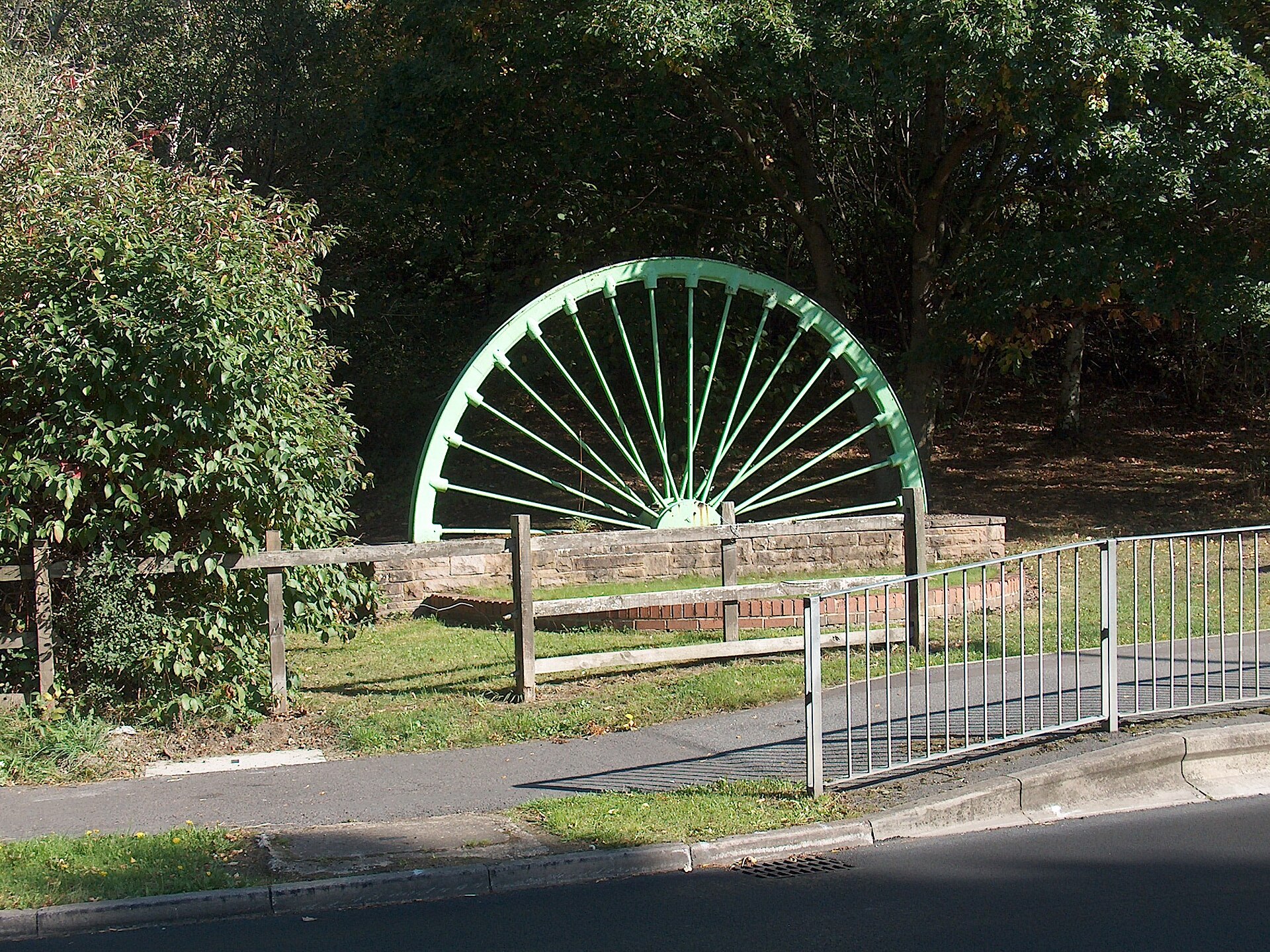
The colliery has gone. A memorial to it stands in the village of Treeton.
No colliery structures are recorded as surviving; what remains is commemorative rather than industrial.
Related mines
- Orgreave Colliery — Treeton and Orgreave were linked underground and both belonged to Rother Vale Collieries; a branch line to the Manchester, Sheffield and Lincolnshire Railway ran from Treeton via Orgreave, and one workmen's train served both.
- Thurcroft Colliery — Both were collieries of the Rother Vale Colliery Company, which held Orgreave, Fence and Treeton before leasing the coal under the Thurcroft estates in 1902 and sinking Thurcroft.
Nearby mines
- Orgreave Colliery — 0.9 miles (1.5 km) SW
- Fence Colliery — 1.3 miles (2.0 km) S
- High Hazels Colliery — 1.7 miles (2.8 km) W
- Handsworth Colliery — 1.8 miles (2.9 km) W
- Rotherham Main Colliery — 1.9 miles (3.1 km) N
Straight-line distance, within 9 miles (15 km). Show on the map.
Recorded claims
Individual factual claims, each attached to the source(s) that support it below. Where sources disagree, both are kept.
- Sinking began in October 1875, but with trade in a poor state and the company short of capital the work was suspended after three years and not resumed until March 1882. 1
- The colliery was owned by Rother Vale Collieries Limited, which brought it together with the collieries at Fence and Orgreave, and became part of the United Steel Companies Limited after the First World War. 1,2
- Treeton worked the Barnsley seam from its beginnings until 1965 and the High Hazels until 1966; after nationalisation the Wathwood seam was worked harder and the Swallow Wood, disused since 1947, was reopened, coming on stream in 1972 and producing house coal until closure. 1
- The colliery closed on 7 December 1990. 1
- Until May 1932 a workmen's train ran at shift-change times from Sheffield Victoria and Darnall to serve both Orgreave and Treeton, ceasing when storms washed away parts of three bridges on the branch. The train was involved in an accident in 1927. 1
- The BGS mine-plans catalogue holds a Mining Remediation Authority abandonment plan titled 'Treeton Colliery' (catalogue NEST57, Spoil Tip - 09/063, 09/064, dated 1989). 3
Photographs & further reading
The fullest account of the colliery: the interrupted sinking, the seams worked decade by decade, and the rail connections that tied it to Orgreave and to Sheffield.
View sourceSources
- (secondary) Treeton Colliery — Wikipedia
- (secondary) Rother Vale Collieries — Wikipedia
- (primary) BGS / Mining Remediation Authority mine plans: TREETON COLLIERY — British Geological Survey / Mining Remediation Authority
Record created: 4 September 2026 · Last researched: 4 September 2026