 MineArchive
Sough
| Also known as | Soughing |
|---|---|
| Dialect | Derbyshire |
| Category | Mine Workings & Access |
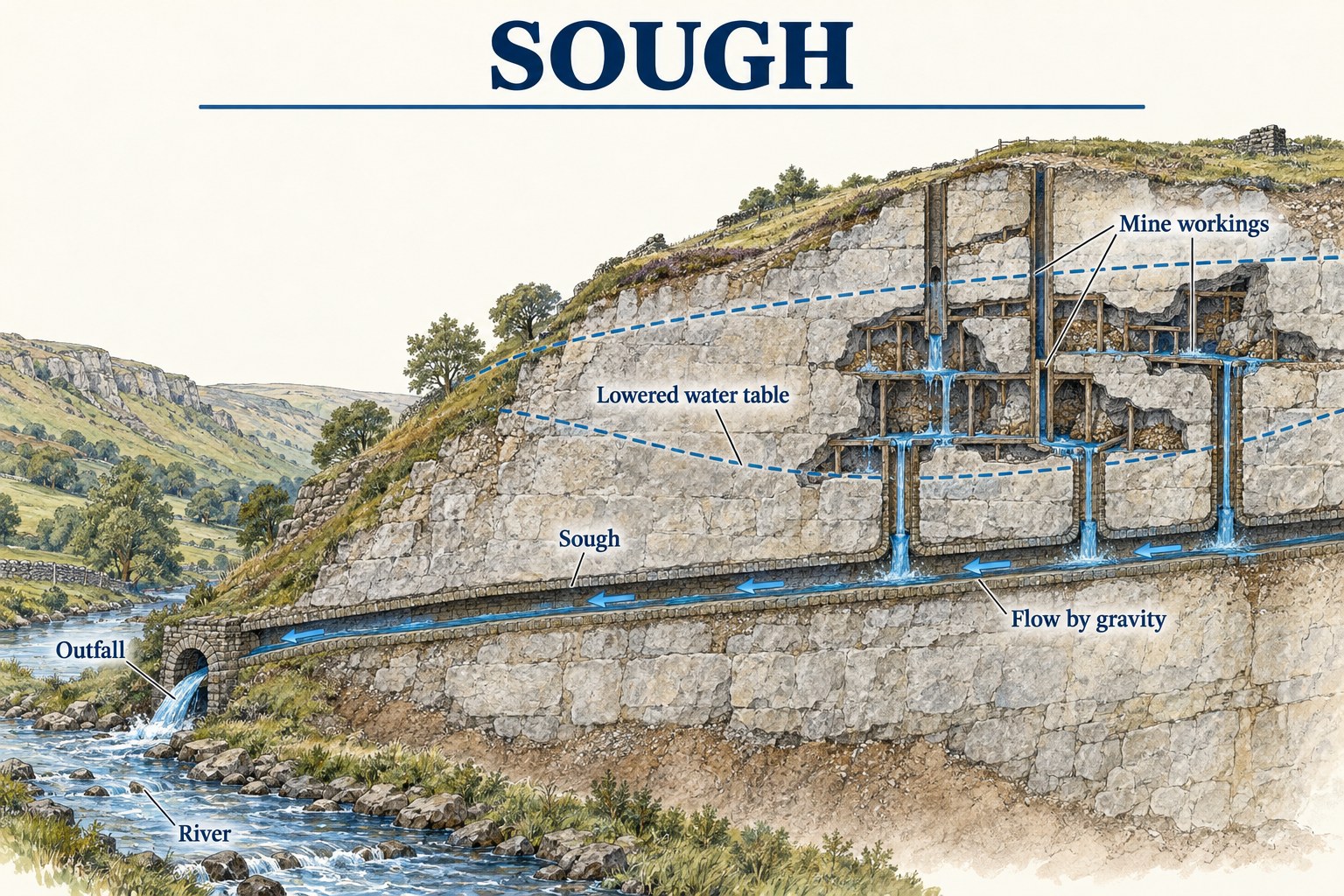
A drainage tunnel driven to lower the water table in a mine, or an area of mines, by letting water run out under gravity rather than being pumped — the term used in this sense mainly in the Derbyshire lead orefield.
Historical usage
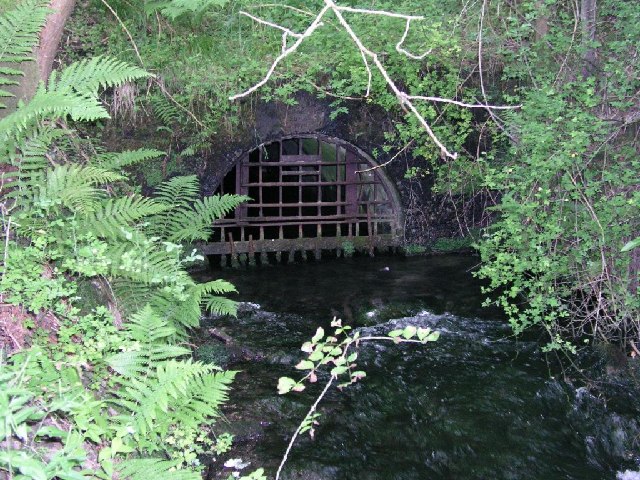
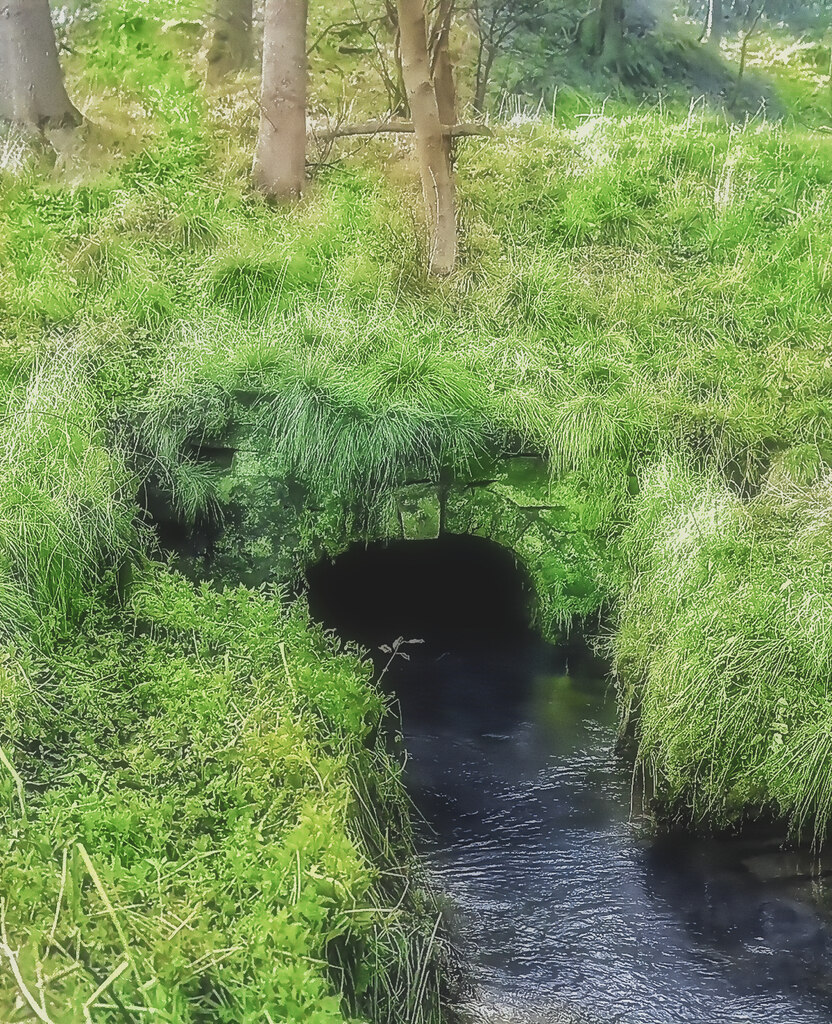
Derbyshire's lead mines were originally shallow, since early water-removal methods could not keep deeper workings dry; driving a sough to lower the water table let mining go deeper. The first was planned by the Dutch drainage engineer Sir Cornelius Vermuyden to unwater the Dovegang veins on Cromford Moor: begun in the 1630s and driven in from Cromford Hill over some twenty years, it was complete by 1652, and the Dovegang was so enriched by it that it had a lead liberty of its own from 1638 to 1654 — some accounts give the sough the dates 1629 to 1636 instead. A succession of soughs followed in the Wirksworth wapentake, Raventor (begun 1655), Bates (1657–84), Lees (1664), Baileycroft (1667–73) and Hannage (1693) among them, and by the end of the century enough of the mines were drained to lift production across the whole area. The Cromford Sough, which the county record calls the first major sough in Derbyshire, was started in 1673 with a first section done by 1682 (other accounts say 1662 to 1696) and was still being extended a century later; Richard Arkwright took its water to power his mill at Cromford in 1771. Sough-driving went on through the 18th and 19th centuries: Hillcarr was begun from the Derwent in 1766 and finished in 1787, and Meerbrook, begun in 1772 and completed about 1836, drained the whole Wirksworth field and still supplies 3.75 million litres of water a day to the public supply.
How it worked
A sough works on exactly the same gravity principle as a Cornish drainage adit: driven from a low point, such as a river valley, back into the hillside beneath the mine, it lets water drain out by itself rather than needing to be lifted mechanically, and where a mine's sump lies below the sough the water has only to be pumped up to it. Because one sough could unwater several nearby mines working the same vein, the substantial cost of driving one was often shared between them, and many soughs carry branch levels to reach further workings; Hillcarr's branches drained the whole of the Alport Mining Company's ground, with hydraulic engines at the shafts lifting the water from below.
Why it was used
A sough avoided the recurring cost of pumping, which before efficient steam power was a major and continuous expense; once driven, a sough drained a mine for free for as long as it remained clear, and let workings go deeper than water-removal by hand or horse power alone could ever have reached.
Risks & limitations
Soughs were expensive, slow, capital-intensive projects. Hillcarr, the longest in Derbyshire, runs from the mines at Alport-by-Youlgreave under Stanton Moor to the River Derwent, about four and a half miles with its branches, and took twenty-one years to drive; Vermuyden's took twenty and the Cromford Sough thirty. Diverting a mine's water into a sough also reduced the flow available to watermills and other users downstream, and could leave the small streams above it dry for most of the year, a frequent source of legal disputes over water rights between sough-builders and those who depended on the watercourses they fed from.
Regional variation
“Sough” is specifically the Derbyshire lead-mining term for this kind of gravity drainage tunnel; the same principle, under the name adit, is the term used in Cornwall and Devon, and in most other districts it is a level or day level. The word was also used of coal-mine drains in the north-west — the Great Haigh Sough at Wigan was driven for Sir Roger Bradshaigh's colliery from 1653 and finished in 1670 — and, in the Pennine country of east Lancashire, of the stone drains that carry water off sloping clay fields.
Related terminology
Mines associated with this term
5 examples chosen from 48 linked records — the term page is not an index.
- Watergrove Mine — Derbyshire (well documented example)
Named 3 times in this record, first in the history: “A venture to drive a drainage sough at Watergrove was underway by 1746, when eight investors -- five…” - Wollaton Colliery — Nottinghamshire (well documented example)
Named in this record’s history: “…was the limit on those early pits, and successive Willoughbys drove soughs across Lenton Priory land to keep them dry. In 1601 the family…” - Alport Mines — Derbyshire (well documented example)
The mine's own recorded history and workings explicitly describe the Hillcarr Sough drainage level. - Aspull Pumping Pit — Greater Manchester (well documented example)
Named twice in this record, first in the history: “…Pit, in 1875. The water first went 123 yards up to the Great Haigh Sough. After subsidence damaged the sough it was all lifted 180 yards to…” - Bwlchgwyn Mine — Ceredigion (well documented example)
Named twice in this record, first in the history: “…vein in the bottoms twelve to eighteen inches wide with ore found in soughs in good quantities, mixed with a kind of dirty clay. He also noted…”
Disasters associated with this term
Included only where MineArchive's own research gives a reasonable evidential basis, with the nature of the relationship stated — not every disaster where this term might plausibly apply.
- Huskar Pit Flooding, 1838 (contextual relationship)
Named in this record’s investigation: “…directly attributing it to the storm overwhelming the engine house sough. The disaster, alongside wider evidence gathered by the Commission…”
Sources
- (primary) MDR3091 — Conduit to rear of Nos. 3–13 The Hill, Cromford (Long Sough and Cromford Sough) — Derbyshire Historic Environment Record
- (secondary) Alport Mines and Soughs — Pegasus Caving Club
- (secondary) Derbyshire lead mining history — Wikipedia
- (secondary) Sough — Wikipedia
- (secondary) Soughs in Derbyshire mines — Derbyshire Heritage
Record created: 20 August 2026 · Last researched: 22 September 2026