 MineArchive
Wanlockhead
| Location | Wanlockhead, Dumfries and Galloway — 55.3969, -3.7769 (exact) |
|---|---|
| Commodities | Lead, Copper, Gold, Silver, Zinc |
| Type | Metal |
| Worked | 13th century–1934 |
| Maximum depth | beam engine could pump from 28 m below ground |
| Operators | Duke of Buccleuch (1680–?) |
Overview
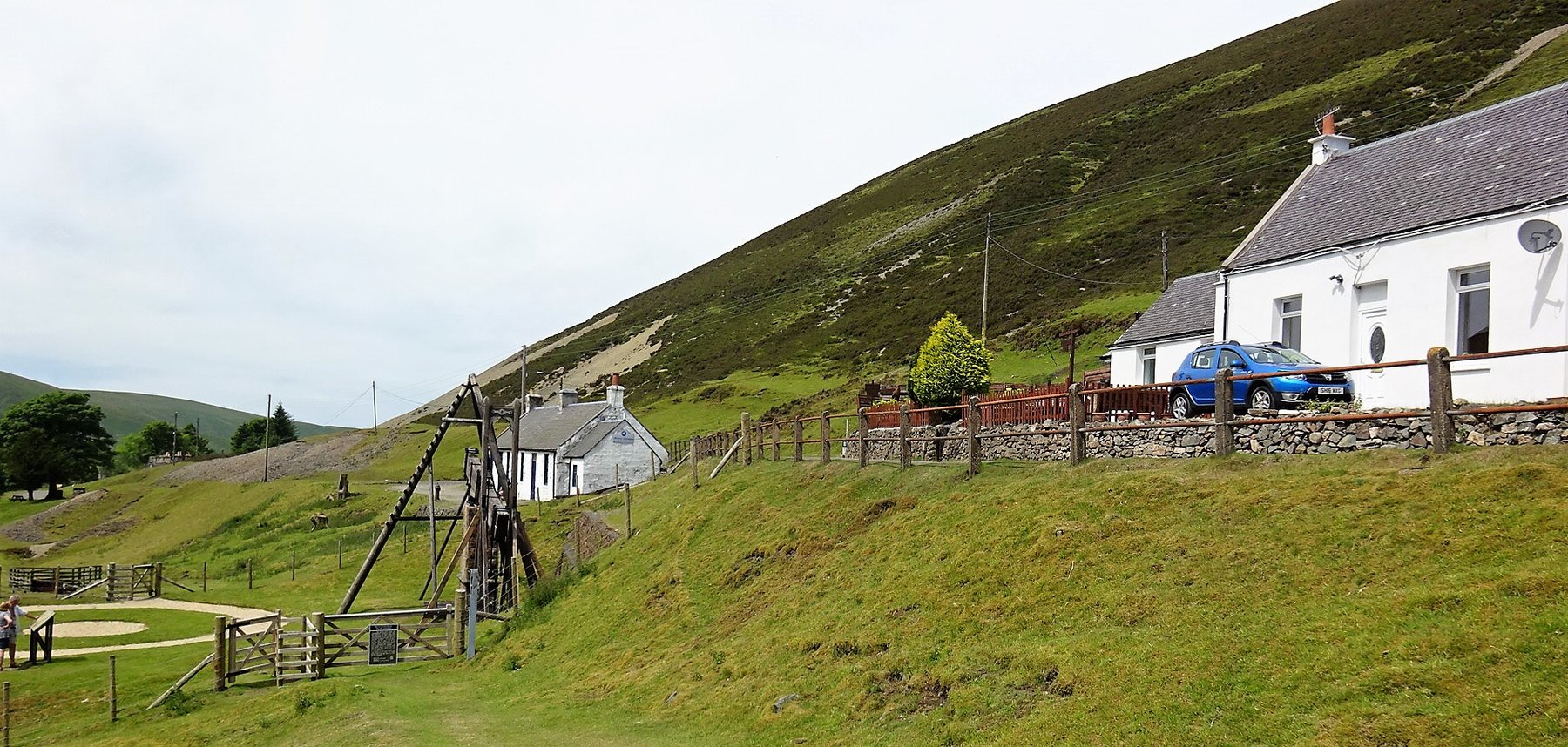
Wanlockhead, Scotland's highest village, grew up entirely around lead mining in the Lowther Hills — home to some 70 lead veins, alongside notable zinc, copper, silver and, famously, gold. Together with neighbouring Leadhills it formed one of Scotland's most important metal-mining districts, and the village survives today around the Museum of Lead Mining.
History
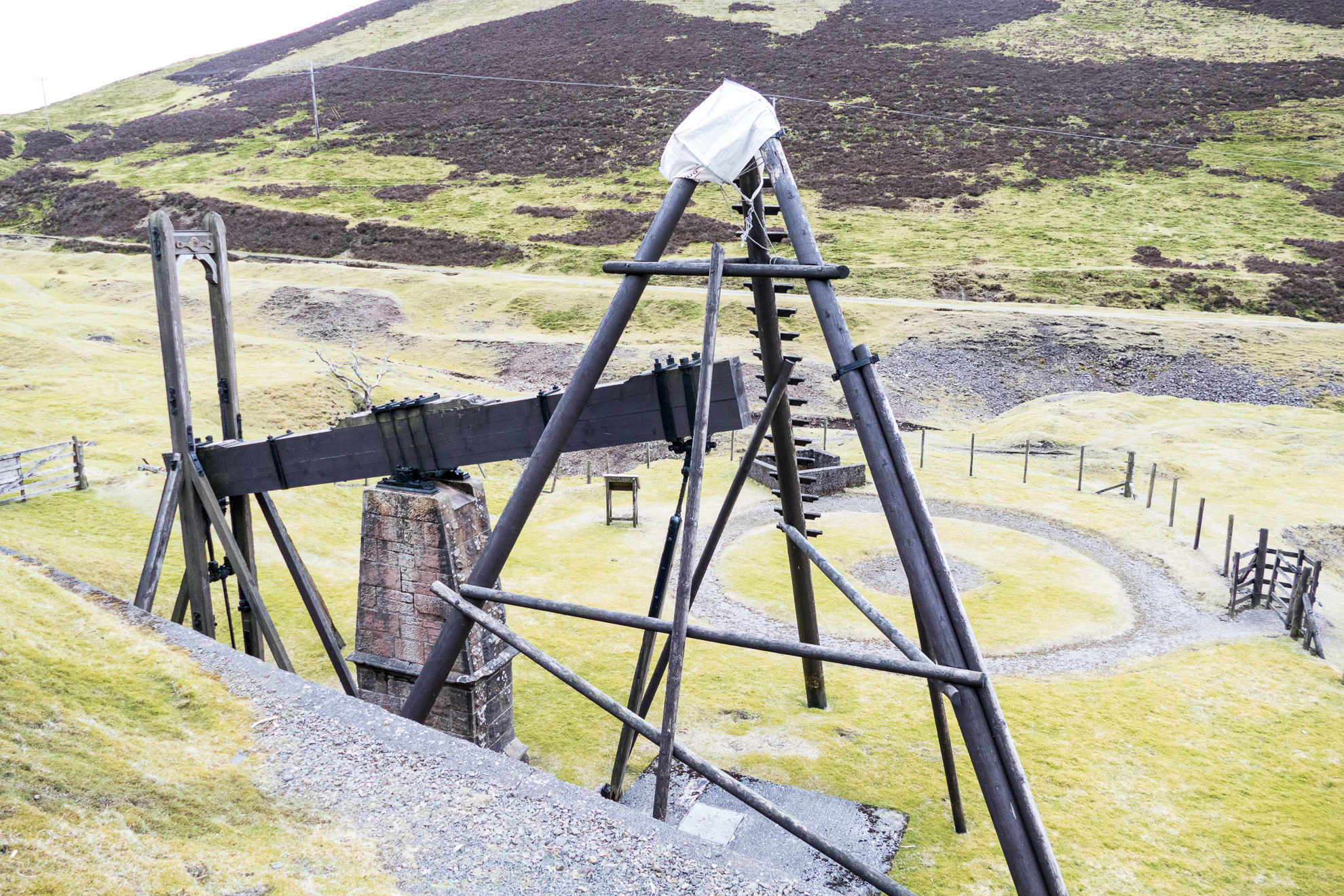
Mineral deposits here were probably first worked by the Romans, and mining resumed from the 13th century, initially by groups of prospectors who camped in the hills each summer to pan for gold, retreating before the onset of winter. Permanent settlement dates to around 1680, when the Duke of Buccleuch built a lead smelting plant and the first all-year cottages for his workers; the Straitsteps mine, one of the district's most important, opened in 1710. A beam engine installed in 1745 could pump water from as deep as 28 metres below ground, opening up previously unworkable ground. The lead industry thrived through the 18th and 19th centuries — 274 men and boys were recorded working the village's mines in 1876 alone — before a steep decline in the early 20th century saw the industry wind down, ending altogether in the 1930s. A narrow-gauge branch of the Leadhills and Wanlockhead Railway served the village from 1901 until closing in 1939.
Geology
The Lowther Hills around Wanlockhead host roughly 70 lead veins, along with less extensive but locally significant deposits of zinc, copper, silver and gold — the gold notably pure, at up to 22.8 carats, and reportedly used in making the Scottish Crown.
Geological setting: Placer Deposits (historical documentary reference), Veins and Lodes (well documented example)
Workings
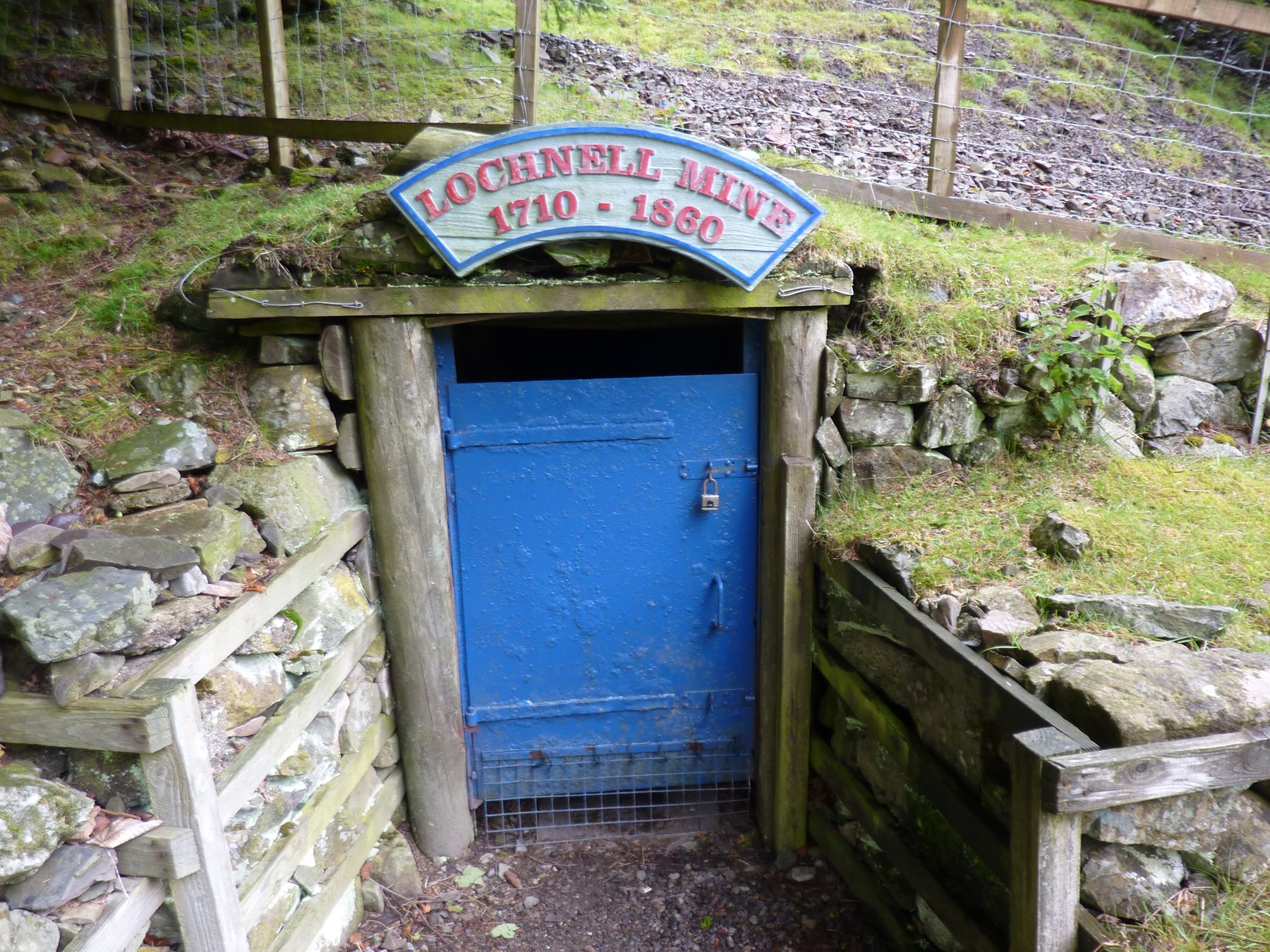
Early working relied on manual digging and gold-panning in local streams. Straitsteps, one of the older and smaller mines in the village, opened around 1675; the beam engine installed there in 1745 could pump water from 28 m below ground and so extended workable depths well beyond what earlier methods allowed. The Lochnell mine level, entered at the south end of Williamson's Drift, averages about seven feet high and four feet wide, and is the level the museum takes visitors into today.
Closure
The lead-mining industry declined sharply from the early 20th century and had ceased altogether by the 1930s; some secondary sources instead describe mining continuing into the 1950s, which may reflect confusion with the neighbouring Leadhills district.
What remains
The village survives around the Museum of Lead Mining, which runs Scotland's only underground lead mine tour and is a four-star VisitScotland attraction operated by a not-for-profit charity. The 1745 beam engine is preserved as a scheduled monument, with a working model displayed in the museum; the miners' subscription library, whose 270th anniversary falls in 2026, is part of the same site.
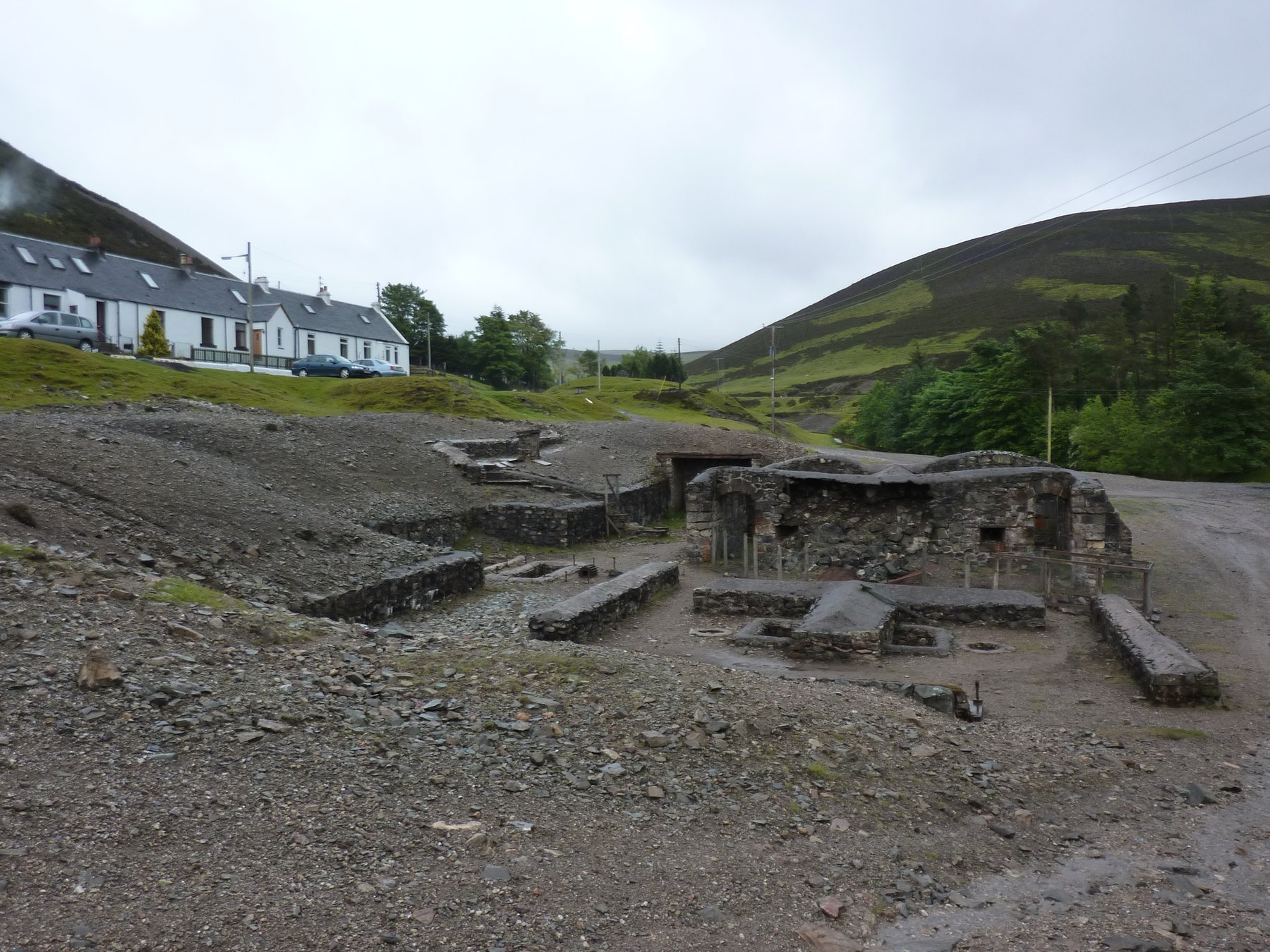
Surviving structures include the beam engine, remains of the Straitsteps and other mine workings, and 18th-century industrial equipment and cottages within the village.
Redevelopment
The Museum of Lead Mining operates on the site, with mine tours and preserved 18th- and 19th-century mining equipment forming the village's main visitor attraction today.
Related mines
- Cove Vein Mine — Cove Vein Mine lies in the Wanlockhead mining district and was developed by the same wider mining interests.
- Leadhills — Together the two formed one of Scotland's most important metal-mining districts, sharing the Leadhills and Wanlockhead Railway.
- New Glencrieff Mine — New Glencrieff was worked along its own named vein at Wanlockhead and was, in its final years, the last working mine in the village.
Nearby mines
- New Glencrieff Mine — 0.1 miles (0.1 km) SW
- Cove Vein Mine — 0.1 miles (0.2 km) N
- Glengonnar — 1.2 miles (2.0 km) N, South Lanarkshire
- Susanna Mine — 1.4 miles (2.3 km) N, South Lanarkshire
- Leadhills — 1.5 miles (2.4 km) NE, South Lanarkshire
Straight-line distance, within 9 miles (15 km). Show on the map.
Culture
- Wanlockhead Miners' Library (Learning)
Founded by thirty-two Wanlockhead lead miners in 1756 and part-funded by the mining companies working the village's veins, with the Duke of Buccleuch — the landowner who had built the first smelt mill here — as patron. The library is now shown as part of the Museum of Lead Mining on the mine site.
What's uncertain
Points where sources disagree or the record could not be settled; both accounts are kept. All open questions in the archive.
- Lead mining at Wanlockhead is generally described as having ceased altogether by the end of the 1930s; at least one source instead states mining finished in the 1950s. (disputed) 1
- Gold from Wanlockhead, reportedly up to 22.8 carats pure, was said to have been used in making the Scottish Crown. (uncertain) 1
Recorded claims
Individual factual claims, each attached to the source(s) that support it below. Where sources disagree, both are kept.
- Lead mining at Wanlockhead is generally described as having ceased altogether by the end of the 1930s; at least one source instead states mining finished in the 1950s. (disputed) 1
- Gold from Wanlockhead, reportedly up to 22.8 carats pure, was said to have been used in making the Scottish Crown. (uncertain) 1
- The BGS holds 115 catalogued Wanlockhead plan records. They include W. Mitchell's longitudinal sections of Margaret's, Belton Grain, Cove and Lochnell veins, all drawn in 1918, plans of the New Glencrieff vein, and a flow sheet of the concentrating plant dated 1911 — between them a fuller picture of the district's last working decades than any published account. 2
- Straitsteps, one of the older and smaller of the village's mines, was opened around 1675; its water bucket pumping engine of 1745, which replaced earlier methods of draining the workings, is almost all that visibly survives of it. The Lochnell mine level, entered at the south end of Williamson's Drift, runs at an average of about seven feet high and four feet wide. 3
- The Museum of Lead Mining runs Scotland's only underground lead mine tour, into Lochnell Mine, alongside replica miners' cottages furnished for 1750, 1850 and 1920 and the village's miners' subscription library. It is a four-star VisitScotland attraction run by a not-for-profit charity, and is marking the library's 270th anniversary in 2026. 4
Photographs & further reading
Further freely-licensed photographs of the beam engine and surviving mine workings.
View sourceSources
- (secondary) Wanlockhead — Wikipedia
- (primary) Wanlockhead Lead Mines plans (BGS catalogue) — British Geological Survey
- (secondary) Museum of Lead Mining, Wanlockhead — Undiscovered Scotland
- (primary) Museum of Lead Mining — Museum of Lead Mining
Record created: 19 August 2026 · Last researched: 28 August 2026