 MineArchive
Wath Main Colliery
| Location | Wath-upon-Dearne, South Yorkshire — 53.5130, -1.3410 (exact) |
|---|---|
| Commodity | Coal |
| Type | Coal |
| Worked | 1873 (sinking)–1 January 1986 (merger) |
| Maximum depth | 385.2 metres (No. 2 shaft) |
| Operators | National Coal Board (1947–1988) |
Overview
Wath Main, sunk in the Dearne Valley from 1873, worked three of South Yorkshire's most prized seams over more than a century — and killed seven of its own men in a 1930 double explosion before finally closing in 1988, its site now the short-lived Wath Country Park and, since 2007, a housing estate.
History
Sinking of the first of Wath Main's two shafts began in 1873, reaching the highly prized Barnsley seam three years later; the shafts were later deepened, first in 1912 to reach the Parkgate seam and then, in 1923, to the Silkstone seam. The colliery was operated by the Wath Main Colliery Company Limited. On 24 February 1930, two explosions in the Billingley Drift District killed seven men and injured three more (see Disasters, below).
The colliery passed to the National Coal Board at nationalisation in 1947, and was amalgamated with its neighbour, Manvers Main Colliery, on 1 January 1986; final closure came on 25 March 1988. The site was subsequently reclaimed as Wath Country Park, but the park itself lasted barely a decade: in May 2007 the land was sold off to developers and given over to housing.
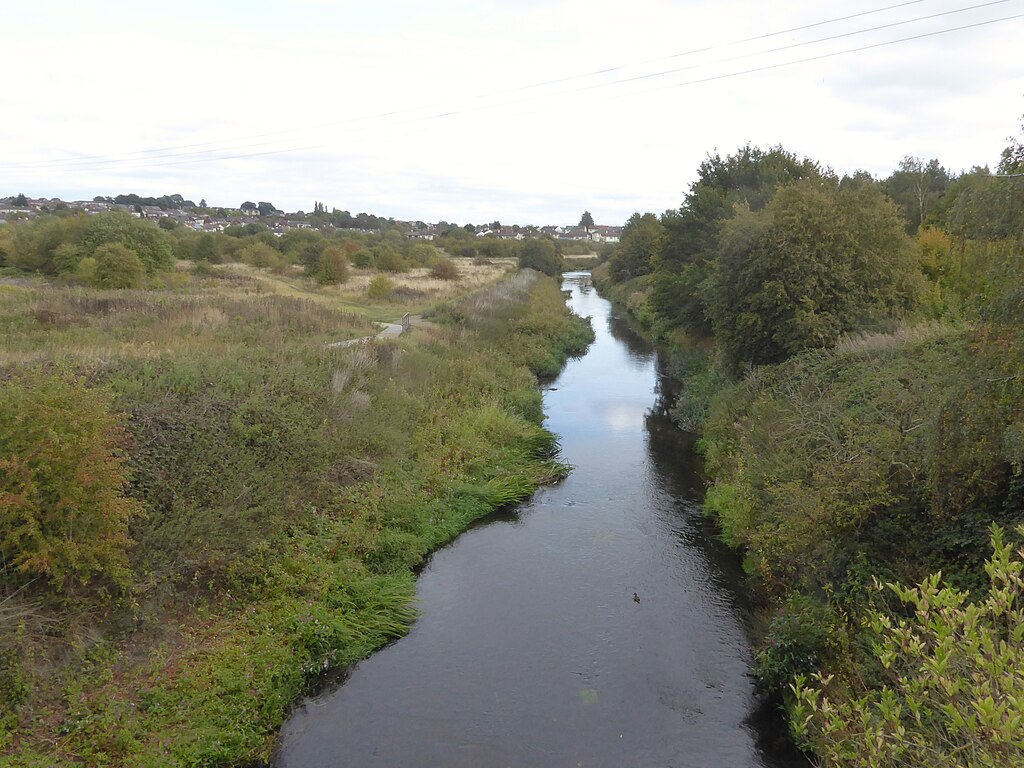
From 1950 to 1956, as the South Yorkshire coalfield was rationalised, Wath Main became part of the South Manvers complex with Barnburgh Colliery and Kilnhurst, linked below ground, the coal being wound to the surface at Manvers Main; each colliery kept its own identity to protect the loyalties and friendships of the local pitworkers. Wath Main's No. 2 shaft, 385.2 metres deep and 4.27 metres in diameter, was abandoned on 31 December 1988 and capped in February 1990. After the colliery closed the site was cleared of contamination and landscaped, the River Dearne being straightened around it. A bronze plaque in All Saints Church, Wath, commemorates 125 men of the colliery who died in the First World War.
Geology
The mine worked the Barnsley, Parkgate and Silkstone seams of the South Yorkshire Coalfield's Coal Measures, successively deepened to reach each.
Geological setting: Sedimentary Beds and Seams (well documented example)
Workings
Two shafts served the colliery, sunk from 1873 and deepened in stages to reach the Barnsley (1876), Parkgate (1912) and Silkstone (1923) seams in turn. The No. 2 shaft is 4.27 metres in diameter and 385.2 metres deep. From 1950 to 1956 the workings were linked below ground with those of Manvers Main, Barnburgh and Kilnhurst collieries, the coal being wound at Manvers.
Closure
Amalgamated with the neighbouring Manvers Main Colliery on 1 January 1986; final closure followed on 25 March 1988. The No. 2 shaft was abandoned on 31 December 1988 and capped in February 1990.
What remains
The site was reclaimed as Wath Country Park after closure, but the park itself lasted only around ten years before the land was sold to developers in May 2007 and given over to housing.
A shaft-marker plaque records the No. 2 shaft's capping. The River Dearne has been straightened around the site, which is now partly parkland and housing.
Related mines
- Barnburgh Main Colliery — Barnburgh and Wath Main were linked below ground in the South Manvers complex from 1950 to 1956.
- Kilnhurst Colliery — Kilnhurst and Wath Main were linked below ground in the South Manvers complex from 1950 to 1956.
- Manvers Main Colliery — Amalgamated with its neighbour on 1 January 1986.
Nearby mines
- Manvers Main Colliery — 0.9 miles (1.4 km) SE
- Highgate Colliery — 1.8 miles (2.9 km) NE
- Goldthorpe Colliery — 2.1 miles (3.4 km) NE
- Hickleton Main Colliery — 2.4 miles (3.9 km) NE
- Lundhill Colliery — 2.5 miles (4.0 km) W
Straight-line distance, within 9 miles (15 km). Show on the map.
Disasters & major incidents
-
Wath Main Colliery explosions, 1930
24 February 1930 · Explosion · 7 fatalities
Two explosions in the Billingley Drift District of Wath Main Colliery on 24 February 1930 killed seven men and injured three more, after a fall of roof broke a miner's flame lamp in an area an inspector's ventilation order had not, in fact, been carried out.
Culture
- Wath Main Colliery war memorial plaque (Art)
A First World War memorial to the 125 men of the Wath Main Colliery who were killed, now in Wath's parish church.
Recorded claims
Individual factual claims, each attached to the source(s) that support it below. Where sources disagree, both are kept.
- Sinking of the first shaft began in 1873, reaching the Barnsley seam three years later; the shafts were later deepened to reach the Parkgate seam in 1912 and the Silkstone seam in 1923. 1
- The colliery was amalgamated with the neighbouring Manvers Main Colliery on 1 January 1986, with final closure on 25 March 1988. 1
- The site was reclaimed as Wath Country Park after closure, but the park was sold to developers in May 2007 for housing after lasting only around ten years. 1
- Two explosions in the Billingley Drift District on 24 February 1930 killed seven men and injured three more. 2
- From 1950 to 1956 Wath Main, Barnburgh and Kilnhurst were linked below ground with Manvers Main, the coal being wound at Manvers while each colliery kept its individual identity. 3
- The No. 2 shaft is 4.27 metres in diameter and 385.2 metres deep; it was abandoned on 31 December 1988 and capped in February 1990. 4
- A bronze plaque in All Saints Church, Wath, records 125 men of Wath Main Colliery who gave their lives in the First World War. 5
- The River Dearne has been straightened around the site of the former colliery. 6
- The British Geological Survey catalogues abandonment plans for Wath Main and for Wath (formerly Wath Main). 7
- Located at about 53.513 N, 1.341 W. 1
Photographs & further reading
Short account of the colliery's sinking, deepenings, amalgamation and closure.
View sourceAccount of the two explosions of 24 February 1930 in the Billingley Drift District.
View sourceThe neighbouring colliery with which Wath Main was amalgamated, and the South Manvers complex.
View sourceSources
- (secondary) Wath Main Colliery — Wikipedia
- (secondary) Wath Main Colliery Explosions - Wath-on-Dearne - 1930 — Northern Mine Research Society
- (secondary) Manvers Main Colliery — Wikipedia
- (observational) Wath Main No. 2 shaft marker (Zenodo, CTAerialSurveys) — Zenodo
- (secondary) Wath Main Colliery - WW1 (IWM War Memorials Register 46697) — Imperial War Museums
- (observational) Man made course of River Dearne (Geograph 8164786) — Geograph
- (primary) BGS / Mining Remediation Authority abandonment plans: WATH MAIN — British Geological Survey
Record created: 27 August 2026 · Last researched: 30 September 2026