 MineArchive
Upton Colliery
| Location | Upton, near South Elmsall, West Riding of Yorkshire, West Yorkshire — 53.6140, -1.2730 (exact) |
|---|---|
| Commodity | Coal |
| Type | Coal |
| Worked | 1927–1964 |
| Maximum depth | Two shafts sunk to between 260 and 300 yards (240-270 m). |
| Operators | Upton Colliery Company (1924–1939), Bolckow, Vaughan and Company (1924–1939), Dorman, Long and Company (1939–1947), National Coal Board (1947–1964) |
Overview
A West Riding colliery with a working life of only forty years, sunk from 1924 and raising its first coal in 1927. It worked mainly the Barnsley seam, was bought by Dorman Long in 1939 and nationalised in 1947. An explosion killed six men in 1940; a second explosion in May 1964 forced the district to be sealed, and with bad geology in the seams the colliery closed that November. The site is now Upton Country Park.
History
Work started on the site in 1924, but the preliminary works were long enough that no coal was raised until 1927. Two shafts were sunk through 1925 and 1926 to a depth of between 260 and 300 yards. The colliery worked mainly the Barnsley seam, with workings also in the Beamshaw and Winter seams, and its coal was taken away over the former Hull and Barnsley Railway, by then run by the LNER.
It was worked by the Upton Colliery Company — a venture of Bolckow, Vaughan and the Cortonwood Colliery Company — from 1924 to 1939, by Dorman Long from 1939 to 1947, and by the National Coal Board thereafter. Shortly before midnight on 4 June 1940 an explosion at the intake end of a longwall face in the No. 2 district of the Barnsley seam killed six men and burned eight more (see Disasters, below). Under the Coal Board the colliery saw real investment: new pit-head baths costing £115,000 opened in 1952, and a further £500,000 was spent trying to raise saleable output from 24 to 27 hundredweight a shift.
It was not enough. On 20 May 1964 a second explosion in the Barnsley seam forced the colliery to be evacuated and the area sealed off, which rendered the mine unworkable. With that and the faulted ground in the seams, Upton closed in November 1964, forty years after work on the site had begun.
Geology
Upton worked the Barnsley seam of the Middle Coal Measures, the principal coal of the Yorkshire coalfield, together with the Beamshaw and Winter seams. Faulting in the seams was a persistent problem and is named alongside the 1964 explosion as a reason for the colliery's closure — the ground here did not give the long, clean runs of face that a twentieth-century colliery needed to be economic.
Workings
Two shafts, sunk 1925-26, working the Barnsley seam by longwall, with further workings in the Beamshaw and Winter seams. Coal was transhipped over the former Hull and Barnsley Railway line.
Closure
The explosion of 20 May 1964 in the Barnsley seam led to the colliery being evacuated and the affected area sealed, which made the mine unworkable. Combined with the bad geology in the seams, this closed the colliery in November 1964.
What remains
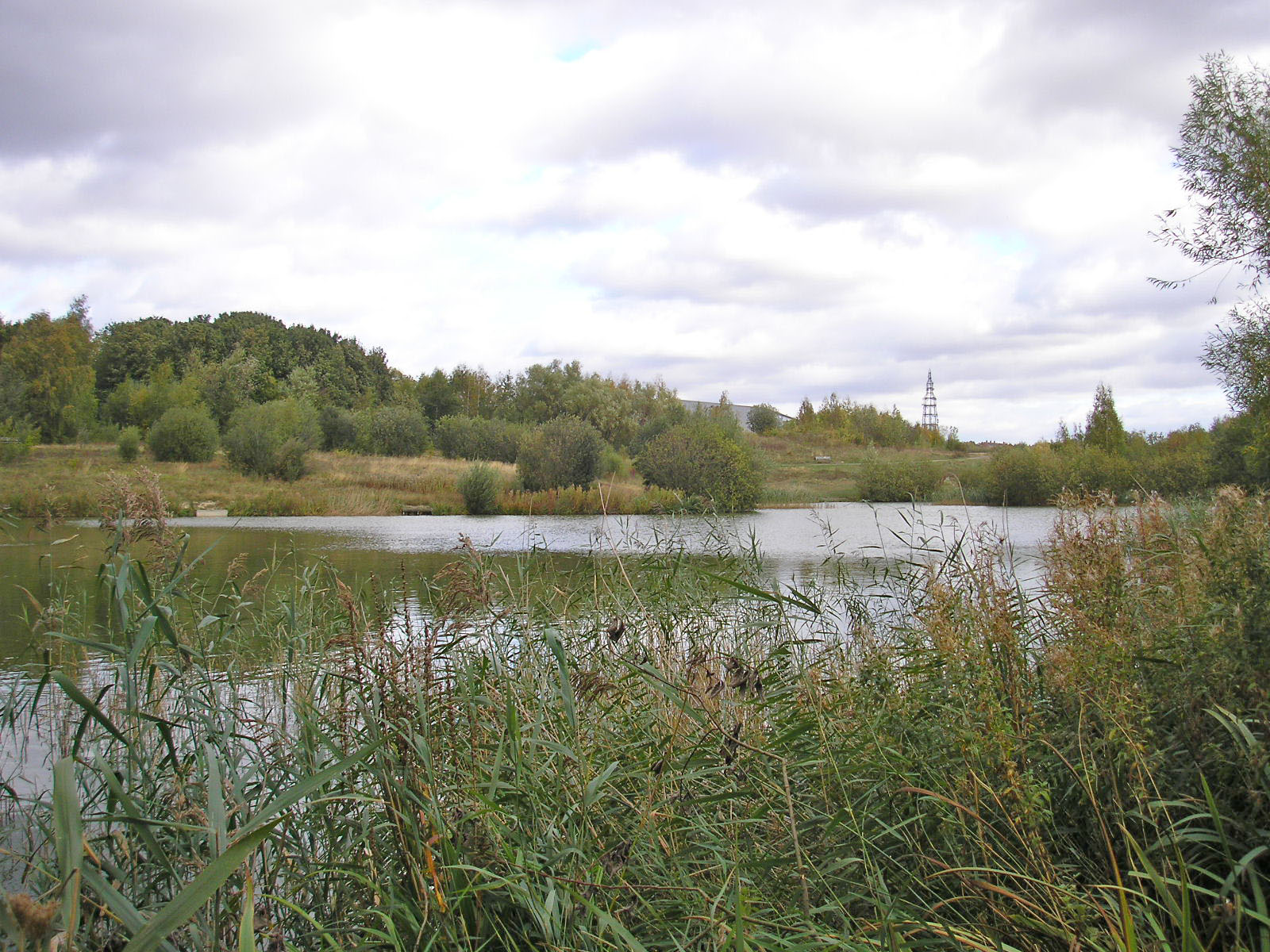
The colliery tips were cleared in the early 1970s and the surface area is now Upton Country Park, a local nature reserve with a pond, a memorial garden and a pit winding wheel set into the ground.
No colliery buildings survive; a winding wheel and memorial garden mark the site.
Redevelopment
The site was reclaimed as Upton Country Park, a local nature reserve, after the tips were cleared in the early 1970s.
Nearby mines
- Frickley Colliery — 1.2 miles (2.0 km) S, South Yorkshire
- South Kirkby Colliery — 2.3 miles (3.6 km) NW, South Yorkshire
- Hemsworth Colliery — 4.1 miles (6.5 km) W
- Kinsley Drift — 4.1 miles (6.5 km) W
- Bullcroft Colliery — 4.2 miles (6.7 km) SE, South Yorkshire
Straight-line distance, within 9 miles (15 km). Show on the map.
Disasters & major incidents
-
Upton Colliery Explosion, 1940
4 June 1940 · Explosion · 6 fatalities
Shortly before midnight on 4 June 1940 an explosion tore along a longwall face in the No. 2 district of the Barnsley seam at Upton Colliery, about a mile and a half from the pit bottom. Six men were killed and eight burned. It was believed that a stopping sealing off an area where a fire had burned some months earlier had blown out.
Culture
- Upton Colliery F.C. (Sports)
The club was formed in 1931 as the works team of Upton Colliery, played at the Colliery Ground beside the pit, and ceased to operate around 1964 when the colliery closed.
What's uncertain
Points where sources disagree or the record could not be settled; both accounts are kept. All open questions in the archive.
- Work started on the site in 1924 and two shafts were sunk through 1925 and 1926 to between 260 and 300 yards, but preliminary works meant no coal was raised until 1927. (uncertain) 1
- The colliery was run by the Upton Colliery Company (Bolckow, Vaughan and the Cortonwood Company) from 1924 to 1939, by Dorman Long from 1939 to 1947, and by the National Coal Board from 1947 to 1964. (uncertain) 1
- The National Coal Board opened new pit-head baths costing £115,000 in 1952 and spent a further £500,000 in an effort to raise saleable output from 24 to 27 hundredweight a shift. (uncertain) 1
- An explosion in the Barnsley seam on 20 May 1964 led to the colliery being evacuated and the area sealed, rendering the mine unworkable; with bad geology in the seams the site closed in November 1964. (uncertain) 1
Recorded claims
Individual factual claims, each attached to the source(s) that support it below. Where sources disagree, both are kept.
- Work started on the site in 1924 and two shafts were sunk through 1925 and 1926 to between 260 and 300 yards, but preliminary works meant no coal was raised until 1927. (uncertain) 1
- The colliery was run by the Upton Colliery Company (Bolckow, Vaughan and the Cortonwood Company) from 1924 to 1939, by Dorman Long from 1939 to 1947, and by the National Coal Board from 1947 to 1964. (uncertain) 1
- The National Coal Board opened new pit-head baths costing £115,000 in 1952 and spent a further £500,000 in an effort to raise saleable output from 24 to 27 hundredweight a shift. (uncertain) 1
- An explosion in the Barnsley seam on 20 May 1964 led to the colliery being evacuated and the area sealed, rendering the mine unworkable; with bad geology in the seams the site closed in November 1964. (uncertain) 1
- The BGS and Mining Remediation Authority mine plans catalogue holds abandonment plans for Upton Colliery. 2
Photographs & further reading
An account of the colliery's sinking, seams, ownership and closure, with the reclamation of the site as Upton Country Park.
View sourceSources
- (secondary) Upton Colliery — Wikipedia
- (primary) BGS mine plans catalogue: Upton Colliery — British Geological Survey
Record created: 3 September 2026 · Last researched: 3 September 2026