 MineArchive
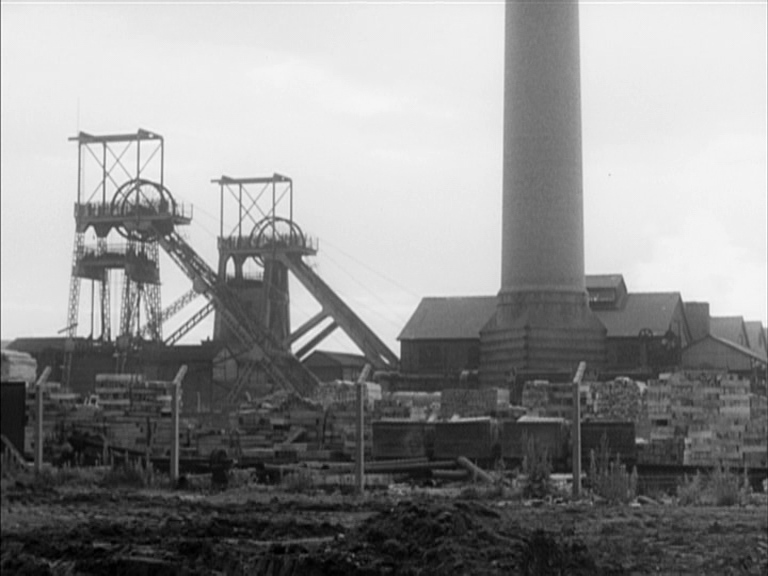
Bullcroft Colliery
| Also known as | Bullcroft Main Colliery |
|---|---|
| Location | Carcroft, north of Doncaster, South Yorkshire — 53.5819, -1.1863 (exact) |
| Commodity | Coal |
| Type | Coal |
| Worked | 1911–25 September 1970 |
| Maximum depth | 682 yards (about 624 m) after the 1913 deepening to the Dunsil seam; the coal measures were first reached at 657 yards (601 m). |
| Operators | Bullcroft Main Colliery Ltd. (1908–1940), Doncaster Amalgamated Collieries Ltd (1940–1947), National Coal Board (1947–1970) |
Overview
A Doncaster-coalfield colliery at Carcroft whose sinking ran into what the accounts call a subterranean river — a flow that beat pumps capable of 6,250 gallons a minute — and had to be stopped and the ground frozen instead. It reached coal in December 1911, worked for sixty years, and in 1968 was joined underground to Brodsworth, which thereafter raised its coal. The shafts were filled in 1970.
History
The Bullcroft Colliery Company was formed in April 1908 and sinking began at once. In January 1909, at 100 feet, the shaft struck a water course yielding over a thousand gallons a minute; it was capped back and sinking went on, but a month later at 180 feet a second course was met, big enough to be described as a subterranean river and too much for the steam pumps. Electric pumps were brought in capable of 6,250 gallons a minute and still could not cope, and sinking stopped while the position was assessed.
The decision was to withdraw the pumps and freeze the ground. The first freeze, begun in January 1910, failed. A second was started in February 1911 after iron tubbing had been installed in the shafts, and this succeeded; sinking resumed and reached the coal measures in December 1911 at 657 yards. The colliery was sunk to the Barnsley seam at around 660 yards, and by 1913 the shafts had been deepened to 682 yards to reach the Dunsil seam, which became the main producer.
Carcroft had consisted of fifty houses before the colliery company arrived; by 1910 another four hundred had been built for the miners and their families. The company traded as Bullcroft Main Colliery Ltd until 1940, when it merged with Brodsworth, Hickleton, Markham Main and Yorkshire Main to form Doncaster Amalgamated Collieries Ltd, and was nationalised in 1947. In the financial year 1930–31 the colliery produced 700,000 tonnes.
In 1968 Bullcroft was joined to Brodsworth Colliery by a 550-yard drift, with an 1,800-yard conveyor that allowed Bullcroft's coal to be brought up at Brodsworth for washing. The collieries merged officially in 1970 and the final shift clocked off on 25 September that year; the Bullcroft shafts were filled with spoil from the pit heaps and capped, the last remaining seam being reachable from Brodsworth. A landsale depot was kept on for concessionary coal, with a locomotive to work it, for about a year afterwards.
Geology
The colliery was sunk on the concealed Doncaster coalfield to the Barnsley seam at around 660 yards, and the shafts were deepened by 1913 to 682 yards for the Dunsil seam, which became the main producer. The difficulty was entirely in the cover: water-bearing strata above the coal yielded flows that no pump available could hold, and it was only by freezing the ground and lining the shafts with iron tubbing that the measures could be reached at all.
Geological setting: Sedimentary Beds and Seams (well documented example)
Workings
Two shafts sunk from 1908, reaching the coal measures in December 1911 at 657 yards after the ground was frozen and iron tubbing installed, and deepened to 682 yards by 1913. From 1968 a 550-yard drift and an 1,800-yard conveyor connected the workings to Brodsworth Colliery, which took over the winding and washing of Bullcroft's coal. The colliery was served by a branch off the Hull and Barnsley and Great Central Joint Railway with a connection to the West Riding and Grimsby Railway.
Closure
Bullcroft and Brodsworth merged officially in 1970 and the final shift at Bullcroft clocked off on 25 September. Because the last remaining seam could be reached from Brodsworth, the Bullcroft shafts were filled with spoil from the pit heaps and capped. The landsale depot stayed open for concessionary coal for about a year, worked by a retained locomotive.
What remains
The colliery is gone and its shafts were filled at closure. The trackbed of the colliery branch line survives near Toll Bar and has been photographed. Carcroft, four hundred of whose houses were built for the colliery's workforce, remains.
None of the colliery; the trackbed of its branch railway survives near Toll Bar.
Related mines
- Brodsworth Colliery — Physically connected underground in 1968 by a 550-yard drift and an 1,800-yard conveyor, after which Bullcroft's coal was raised and washed at Brodsworth rather than at its own shafts. The two merged formally in 1970, and because the last remaining seam could be reached from Brodsworth, the Bullcroft shafts were filled and capped. Both had also been constituents of Doncaster Amalgamated Collieries from 1940.
Nearby mines
- Brodsworth Colliery — 1.5 miles (2.4 km) SW
- Bentley Colliery — 2.2 miles (3.6 km) SE
- Askern Main Colliery — 3.3 miles (5.4 km) NE
- Frickley Colliery — 3.7 miles (5.9 km) W
- Upton Colliery — 4.2 miles (6.7 km) NW, West Yorkshire
Straight-line distance, within 9 miles (15 km). Show on the map.
Disasters & major incidents
-
Bullcroft Colliery Explosion, 1941
19 October 1941 · Explosion · 6 fatalities
Six men were killed outright by an ignition of gas at Bullcroft Colliery just after three in the morning on 19 October 1941. They were about 430 feet from the shaft bottom, and all but one were members of the mine rescue team, at work on problems within the mine.
Recorded claims
Individual factual claims, each attached to the source(s) that support it below. Where sources disagree, both are kept.
- In January 1909 at 100 feet the sinking struck a water course yielding over a thousand gallons a minute; a month later at 180 feet a second, described as a subterranean river, defeated the steam pumps, and electric pumps capable of 6,250 gallons a minute could not cope either. 1
- The pumps were withdrawn and the ground frozen. A first freeze from January 1910 failed; a second begun in February 1911, after iron tubbing had been installed, succeeded, and the coal measures were reached in December 1911 at 657 yards. 1
- The colliery was sunk to the Barnsley seam at around 660 yards; by 1913 the shafts had been deepened to 682 yards to the Dunsil seam, which became the main producer. 1
- Carcroft consisted of only fifty houses before the colliery company arrived; by 1910 a further four hundred had been built for the miners and their families. 1
- The company traded as Bullcroft Main Colliery Ltd until 1940, when it merged with Brodsworth, Hickleton, Markham Main and Yorkshire Main to form Doncaster Amalgamated Collieries Ltd. 1
- The colliery produced 700,000 tonnes in the financial year 1930–31. 1
- In 1968 Bullcroft was joined to Brodsworth Colliery by a 550-yard drift, with an 1,800-yard conveyor allowing Bullcroft coal to be raised and washed at Brodsworth; the collieries merged in 1970. 1
- The final shift clocked off on 25 September 1970 and the shafts were filled with spoil from the pit heaps and capped, the last seam being reachable from Brodsworth. 1
Photographs & further reading
Owners, output and employment year by year, with the museum's list of those killed at the colliery.
View sourceThe sinking and its defeat by water, the freezing that finally got through, and the 1968 connection to Brodsworth that ended with Bullcroft's shafts being filled.
View sourceSources
- (secondary) Bullcroft Colliery — Wikipedia
- (primary) Bullcroft Colliery — Durham Mining Museum
Record created: 3 September 2026 · Last researched: 3 September 2026