 MineArchive
Peckfield Colliery
| Location | Pit Lane, Micklefield, east of Leeds, West Yorkshire — 53.7880, -1.3370 (approximate) |
|---|---|
| Commodity | Coal |
| Type | Coal |
| Worked | 1874–1980 |
| Maximum depth | 240 yards (upcast shaft to the Black Bed); the downcast reached the Beeston Bed at 175 yards. |
| Operators | Micklefield Coal and Lime Company (1874–1947), National Coal Board (1947–1980) |
Overview
Micklefield's colliery east of Leeds, sunk in the 1870s by the Micklefield Coal and Lime Company and worked until 1980; in 1896 a candle flame fired gas and coal dust and killed sixty-three men and boys, one of Yorkshire's worst pit disasters.
History
Peckfield Colliery was the second pit at Micklefield, where Micklefield Colliery had been sunk in 1835-36. The first sod of its two shafts was cut in October 1874 by Joseph Cliff, senior partner of the Micklefield Coal and Lime Company, who wished that the work might be completed without accident; the village history dates the sinking to 1872-75. The downcast went to the Beeston Bed at 175 yards and the upcast on to the Black Bed at 240 yards, and the workings spread about a mile in every direction. Charles Houfton was manager from the start, ventilation came from a Waddle fan, and the colliers worked by tallow candle while the officials carried safety lamps. Seven men were killed in its first nineteen years, and miners thought it a safe pit, until 30 April 1896, when gas from a small roof fall met a candle and the explosion, carried through the mine by coal dust, killed sixty-three men and boys and nineteen of the twenty-three ponies (see Disasters, below). The owners then issued Routledge Newcastle safety lamps. Peckfield was still working at nationalisation, and after 1965-66 it was run down as reserves neared exhaustion; its men were among the first offered transfers to the new Selby coalfield when it closed in 1980. The site washed coal from Ledston Luck, brought in by a 2 ft 6 in gauge railway, until 1983, and is now a landfill.
Geology
Westphalian Coal Measures yielding high-volatile bituminous coal: the Beeston Bed and, deeper, the Black Bed.
Workings
Two shafts: the downcast, for coal, supplies and men, to the Beeston Bed at 175 yards, and the upcast, with a Waddle fan, to the Beeston and the Black Bed at 240 yards; workings extended about a mile in all four directions from the downcast. Candles were used underground until the 1896 disaster.
Closure
Closed in 1980 as reserves ran out, its men offered transfers to Selby; coal washing for Ledston Luck continued on the site until the end of 1982-83.
What remains
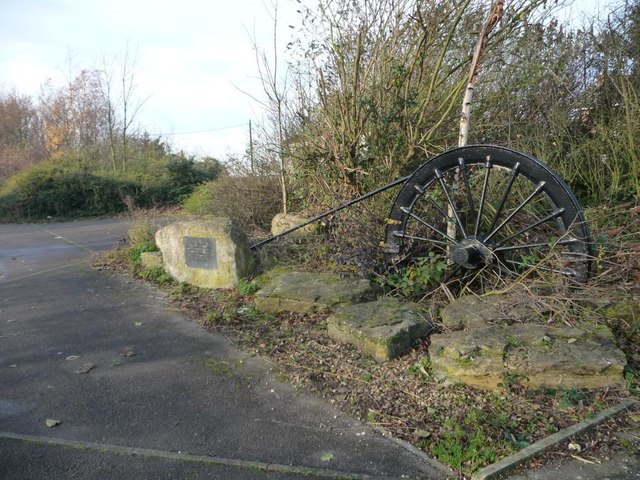
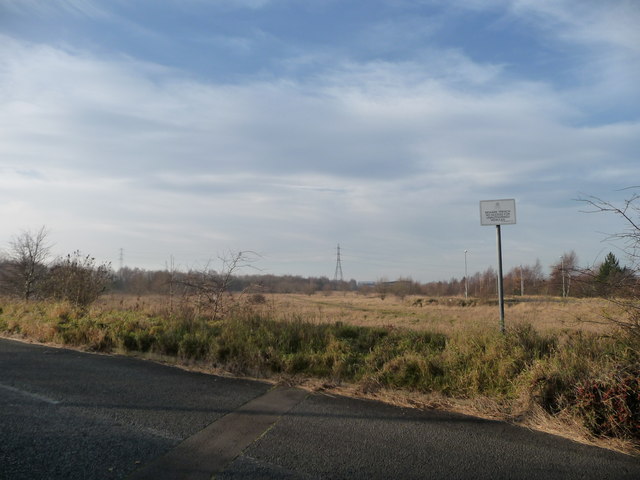
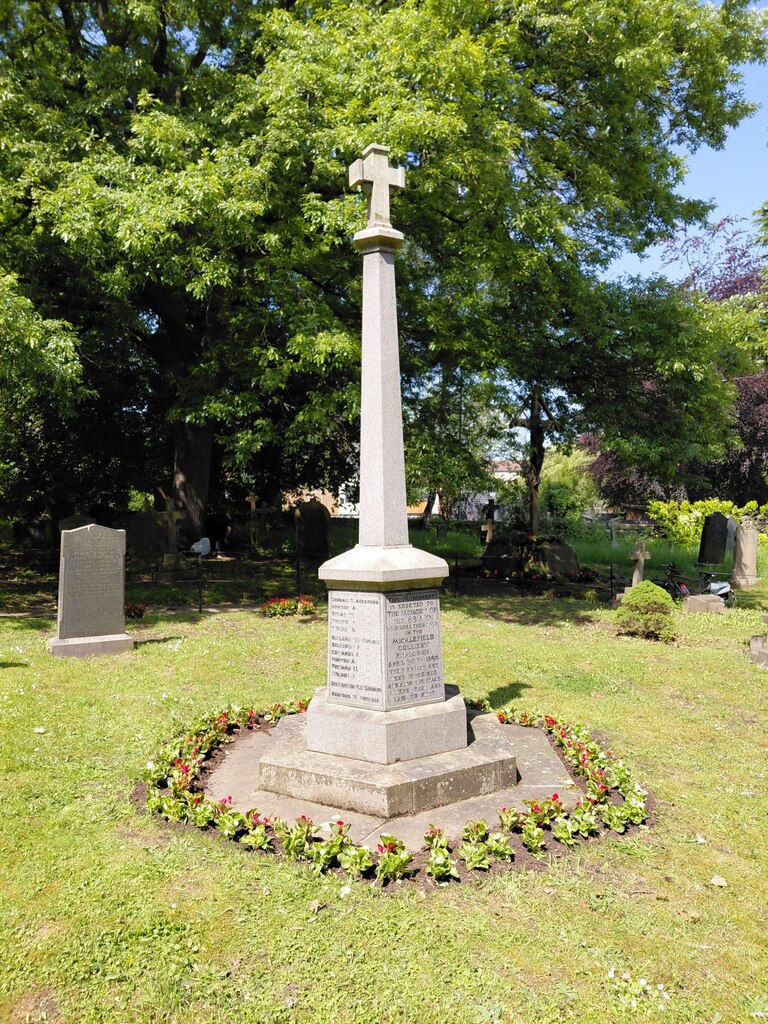
The site is a landfill and rough ground west of Pit Lane; a memorial with a pit wheel stands on Pit Lane near the old entrance, and the 1896 dead are remembered at the church, the school and the Bland's Arms.
None of the colliery buildings; a memorial pit wheel stands by the former entrance on Pit Lane.
Redevelopment
Landfill on the colliery site; housing (Miners Mews) on Pit Lane.
Related mines
- Ledston Luck Colliery — Both owned by the Micklefield Coal and Lime Company; Peckfield washed Ledston Luck's coal, brought by narrow-gauge railway, until 1983.
Nearby mines
- Ledston Luck Colliery — 2.1 km SW
- Allerton Bywater Colliery — 4.6 km SW
- Fryston Colliery — 5.7 km S
- Savile Colliery — 6.6 km SW
- Wheldale Colliery — 6.9 km S
Straight-line distance, within 15 km. Show on the map.
Disasters & major incidents
-
Peckfield Colliery explosion, 1896
1896 · Explosion · 63 fatalities
At 7.15 on the morning of 30 April 1896 a candle fired gas from a small roof fall at Peckfield Colliery, Micklefield, and coal dust carried the explosion through the Beeston Bed workings. Sixty-three of the 105 men and boys in the pit died, most of them trapped by falls and poisoned by afterdamp, with nineteen of the twenty-three pit ponies.
What's uncertain
Points where sources disagree or the record could not be settled; both accounts are kept. All open questions in the archive.
- The first sod for the two shafts was cut in October 1874 by Joseph Cliff, senior partner of the Micklefield Coal and Lime Company. (disputed) 1,2
- Peckfield was sunk between 1872 and 1875. (disputed) 3
Recorded claims
Individual factual claims, each attached to the source(s) that support it below. Where sources disagree, both are kept.
- The first sod for the two shafts was cut in October 1874 by Joseph Cliff, senior partner of the Micklefield Coal and Lime Company. (disputed) 1,2
- Peckfield was sunk between 1872 and 1875. (disputed) 3
- The downcast shaft went only to the Beeston Bed at 175 yards; the upcast was sunk to the Beeston and Black Bed at 240 yards; ventilation was by a Waddle fan and miners worked by tallow candles. 1
- After 1965-66 plans began to close the colliery; its workforce was offered relocation to Selby on closure in 1980, and the site washed Ledston Luck coal until 1982-83; it is now a landfill. 3
- The BGS/Mining Remediation Authority mine-plans catalogue holds plans under the name Peckfield. 4
Photographs & further reading
Detailed account of the colliery and the 1896 explosion, rescue, inquest and relief fund.
View sourceLocal history feature on the 1896 disaster and the village memorials.
View sourceSources
- (secondary) Peckfield Colliery disaster — Wikipedia
- (secondary) Peckfield Colliery - Graces Guide — Grace's Guide
- (secondary) Micklefield — Wikipedia
- (primary) BGS mine plans: Peckfield — British Geological Survey / Mining Remediation Authority
- (secondary) 130 years on: the day the lights went out in Micklefield — East Side Story
Record created: 21 September 2026 · Last researched: 21 September 2026