 MineArchive
Isabella Pit, Garforth
| Location | East Garforth, Ash Lane, West Yorkshire — 53.8008, -1.3737 (approximate) |
|---|---|
| Commodity | Coal |
| Type | Coal |
| Worked | 1833–1925 |
| Maximum depth | Unknown. |
| Operators | Richard Oliver Gascoigne (1833–?), Colonel F. R. T. T. Gascoigne (?–1920), Garforth Collieries Ltd (1920–1925) |
Overview
The Gascoigne family's first Garforth pit, opened in 1833 on the line of the Fly Line, now Ash Lane, and named for the eldest daughter of the owner; East Garforth grew around it, and it was worked out in 1925 with the loss of 392 jobs.
History
The Isabella Pit was opened in 1833 and was named for the eldest daughter of the Garforth colliery owner, Richard Oliver Gascoigne. It stood on the route of the Fly Line, now Ash Lane, and the community of East Garforth grew around it, with cottages built for the workers who moved in at Newhold and where Brierlands and Firth Fields stand now. The Gascoigne sisters had the Colliery School, later called East Garforth, built in 1843. The Fly Line, the Aberford Railway, was built in the 1830s to carry the coal of the Sisters, Isabella and Elizabeth pits to Garforth; the Elizabeth Pit was sunk a few years after the Isabella, a little further along the line.
A Leeds Mercury report of 23 March 1883 treats the Garforth Colliery as one concern in three sections, the Isabella, the Elizabeth and the Sisters, forming part of the Beeston Park seam, owned by Colonel Gascoigne and Lady Ashtown and generally spoken of as 'the Owners of Garforth Colliery'. It describes flooding that year from a failed segment of cast-iron tubbing, with a second outburst as a repair was being completed; the water rose in the workings and the report held out no hope of saving the colliery except by pumping. A ten-foot bed of basal Permian sand beneath the limestone at the edge of the coalfield was also worked from the Isabella and taken by narrow-gauge railway to Castleford.
The owners sold the Garforth collieries in 1919 to 1920 and from December 1920 they were held by Garforth Collieries Ltd. An estimate in the 1830s that the pit would last 92 years proved correct to within a month: it was worked out in 1925, three years after the Sisters Pit, the pumps were stopped in November and the mine flooded, and 392 men lost their jobs. The Coalmining History Resource Centre records a 15-year-old pony driver killed at the Isabella in 1912; Parlington Hall's count of the dead of the three Garforth pits between 1849 and the closures, 61 men and boys, found no disaster on the scale of the Peckfield explosion of 1896.
Geology
Worked the Beeston Park seam as one of the three sections of the Garforth Colliery; a ten-foot bed of basal Permian sand at the edge of the coalfield was also worked from the pit.
Workings
Coal of the Beeston Park seam, with sand worked by pillar and stall; coal and sand left by the Fly Line, the Aberford Railway, which also served the Sisters and Elizabeth pits.
Closure
Worked out in 1925, three years after the Sisters Pit; the pumps were stopped in November 1925 after the equipment had been salvaged, and the mine flooded. 392 jobs were lost.
What remains
An industrial estate on Ash Lane occupies the site.
Redevelopment
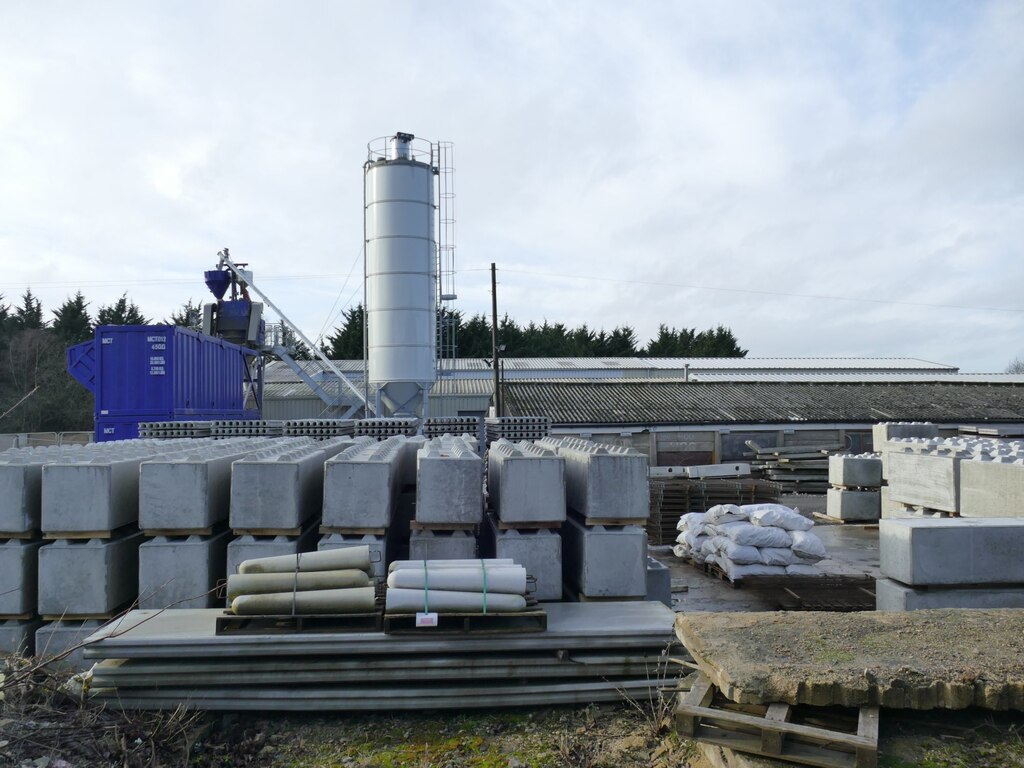
An industrial estate on Ash Lane, including a precast concrete plant and an engineering works, occupies the site of the pit; it is approximately where Proctors stood in 2023.
Related mines
- Barnbow Pit — Garforth Collieries Ltd, which held the Isabella Pit until it was worked out in 1925, sank Barnbow Pit in 1924.
- Sisters Pit, Garforth — The Sisters and Isabella pits were sections of the one Garforth Colliery, served by the same Fly Line, and the Isabella outlived the Sisters by three years.
- Trench Pit, Garforth — The Isabella, Sisters and Trench pits were the three Gascoigne pits at Garforth, later held by Garforth Collieries Ltd.
Nearby mines
- Sisters Pit, Garforth — 0.4 miles (0.7 km) SW
- Trench Pit, Garforth — 0.9 miles (1.5 km) S
- Barnbow Pit — 1.7 miles (2.8 km) W
- Peckfield Colliery — 1.7 miles (2.8 km) SE
- Ledston Luck Colliery — 2.3 miles (3.7 km) SE
Straight-line distance, within 9 miles (15 km). Show on the map.
Recorded claims
Individual factual claims, each attached to the source(s) that support it below. Where sources disagree, both are kept.
- The Isabella Pit was opened in 1833 and was named for the eldest daughter of the colliery owner, Richard Oliver Gascoigne. 1,2,3
- The Isabella Pit was worked out in 1925, three years after the Sisters Pit, with the loss of 392 jobs. 1,2,3
- An estimate made in the 1830s that the Isabella Pit would last 92 years proved correct to within one month. 1
- East Garforth grew around the Isabella Pit, with cottages built for the workers at Newhold and on the ground of Brierlands and Firth Fields. 2,3
- The Fly Line, the Aberford Railway, carried the coal of the Sisters, Isabella and Elizabeth pits from Garforth. 1,3
- The Isabella Pit stood on Ash Lane, on the route of the Fly Line, approximately where Proctors stood in 2023. 1,2
- The Isabella Pit is listed at Garforth, Leeds, in a 1896 return of Yorkshire coal mines. 4
- The Elizabeth Pit was sunk a few years after the Isabella, a little further along the Fly Line. 1
- Parlington Hall counts 61 men and boys killed in the Sisters, Isabella and Trench pits between 1849 and the closures, none in a disaster on the scale of the Peckfield explosion of 1896, including a 15-year-old pony driver killed at the Isabella in 1912. 5
- Basal Permian sand, ten feet thick beneath limestone at the edge of the coalfield, was worked from the Isabella Pit as well as the Trench and was taken to Castleford by narrow-gauge railway. 6
Photographs & further reading
A local-history account of Garforth's mining, with sections on the Isabella and Elizabeth pits, the Sisters and Trench pits and the Fly Line.
View sourceA short account of the Isabella, Sisters and Trench pits with old photographs.
View sourceThe Leeds Mercury report of the 1883 flooding of the Garforth Colliery and the pits' engineers.
View sourceSources
- (secondary) History of Mining (The Story of Garforth) — The Story of Garforth
- (secondary) Garforth Pits Old Photos (Ian Atkinson) — Ian Atkinson
- (secondary) History of Garforth (Garforth Neighbourhood Plan archive) — Garforth Neighbourhood Plan working group
- (secondary) Mines of coal and stratified deposits in Yorkshire from 1854: G (NMRS) — Northern Mine Research Society
- (secondary) The Gascoigne Mines in Garforth: casualty list (Parlington Hall) — Parlington Hall (parlington.co.uk)
- (secondary) Trench Pit, Garforth (Parlington Hall) — Parlington Hall (parlington.co.uk)
Record created: 30 September 2026 · Last researched: 30 September 2026