 MineArchive
Avenue Colliery
| Location | Wingerworth, near Chesterfield, Derbyshire — 53.2070, -1.4135 (approximate) |
|---|---|
| Commodity | Coal |
| Type | Coal |
| Worked | from 1881 (Old Avenue 1857) |
| Maximum depth | Unknown. No. 9 was sunk to the Blackshale. |
| Operators | Clay Cross Company (1881–?) |
Overview
The Clay Cross Company's No. 9 pit at Wingerworth, sunk to the Blackshale in 1881 next to an older Avenue pit of 1857 that the company had bought and mothballed. A tenth pit was planned here and never sunk. The name outlived the colliery: the Avenue coking plant of 1935 stood on the ground until 1993, and the cleaning up of what it left behind, including tar lagoons on the Grassmoor tip, ran until 2015. The site is now the Avenue Washlands nature reserve.
History
Wingerworth was Clay Cross Company ground. The company had been founded in 1837 by George Stephenson to work coal, ironstone, iron and limestone as his railway drove its tunnel through the district, its board including Stephenson himself and his son Robert, Charles Binns his private secretary as works manager, George Hudson, Sir Joshua Walmsley and Sir Morton Peto; Robert Stephenson became its largest shareholder on his father's death in 1848 and later sold out after a disagreement over an unprofitable London coal contract, and by 1871 Sir William Jackson had bought all the interests and become sole proprietor, making it a limited company in 1913. In 1870 a tenth of all the coal reaching London, 385,632 tons of it, came from Clay Cross.
The Avenue pits belong to the numbered sequence of that company's collieries. No. 11, Old Avenue at Wingerworth, was sunk in 1857, though not by Clay Cross: the Wingerworth Colliery Company sank it in the 1850s and Clay Cross bought it later and left it standing until the 1880s. No. 9, the Avenue, was sunk by Clay Cross in 1881 as the Blackshale pit. A No. 10 was contemplated at Avenue and never sunk. The pit appears in the district's court reports in the ordinary way: in October 1890 a putter at the company's Avenue pit, William Woodhouse, was summoned at Chesterfield County Police Court under the Coal Mines Act for refusing a deputy's lawful command, a case the Derbyshire Times thought of very considerable importance to miners, the man having been practically wasting his time for want of work in his part of the mine.
What most people mean by Avenue is what came after. The Avenue coking plant was built in 1935, mostly in Wingerworth parish though its railway sidings lay in Grassmoor, and it worked until 1993; while it ran it dumped large quantities of toxic coal tar sludge into lagoons on part of the old Grassmoor colliery tip. Derbyshire County Council inherited the site when the plant closed, began clearing the contaminated land in 2010 and finished removing the lagoons in 2015. The colliery's own workings had a last word of their own: water erupted from the floor of the Second Piper seam at Williamthorpe out of the abandoned Avenue workings below, and production there was hampered until pumping could be restored at Avenue No. 9 shaft.
Geology
No. 9, the Avenue pit of 1881, was the Clay Cross Company's Blackshale pit, working the deep seam at the base of the productive Derbyshire Coal Measures. Its abandoned workings later proved to lie above Williamthorpe's Second Piper seam, from whose floor the water they held eventually erupted.
Geological setting: Sedimentary Beds and Seams (well documented example)
Workings
Part of the Clay Cross Company's numbered sequence of collieries: No. 9 the Avenue Blackshale pit of 1881, No. 11 the Old Avenue of 1857 taken over from the Wingerworth Colliery Company and mothballed until the 1880s, and a No. 10 planned at Avenue but never sunk. The Avenue coking plant of 1935 stood on the same ground with its railway sidings running into Grassmoor.
Closure
No source gives the year the colliery stopped work. It was still identifiable as Avenue No. 9 shaft when pumping had to be restored there after water broke into Williamthorpe's Second Piper workings from the abandoned Avenue seams, so the workings were abandoned some time before that. The coking plant that took the name was built in 1935 and closed in 1993, which is the date most often attached to Avenue and is not the colliery's. A refresh should settle the colliery's own end from the Lists of Mines or the Clay Cross company records.
What remains
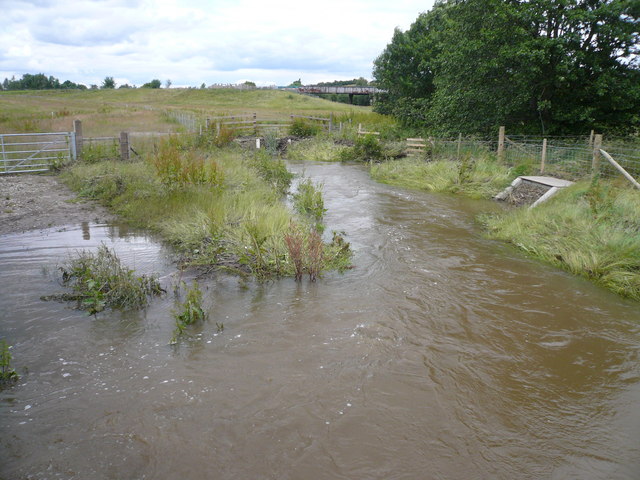
Reclaimed. The Avenue Washlands nature reserve, in the River Rother valley and cared for by the Derbyshire Wildlife Trust, now occupies the restored coking plant site; the tar lagoons on the adjoining Grassmoor tip were cleared between 2010 and 2015 and that ground is Grassmoor Country Park.
None of the colliery; the coking plant site is a nature reserve.
Redevelopment
Avenue Washlands nature reserve, after remediation completed in 2015.
Related mines
- Clay Cross Colliery — The Clay Cross Company sank the Avenue Colliery at Wingerworth in 1857 and worked it as part of the same undertaking; the two records share an owner rather than a boundary.
- Williamthorpe Colliery — Water erupted from the floor of Williamthorpe's Second Piper seam out of these abandoned workings below it, hampering production until pumping was restored at Avenue No. 9 shaft.
Nearby mines
- Grassmoor Colliery — 1.2 miles (2.0 km) E
- Boythorpe Colliery — 1.6 miles (2.6 km) NW
- Bonds Main Colliery — 1.7 miles (2.7 km) E
- Williamthorpe Colliery — 2.3 miles (3.8 km) E
- Arkwright Colliery — 2.7 miles (4.3 km) NE
Straight-line distance, within 9 miles (15 km). Show on the map.
Recorded claims
Individual factual claims, each attached to the source(s) that support it below. Where sources disagree, both are kept.
- Clay Cross number nine colliery, the Avenue at Wingerworth, was the company's Blackshale pit and was sunk in 1881; a number ten was contemplated at Avenue but never sunk. 1
- Clay Cross number eleven colliery, Old Avenue at Wingerworth, was sunk in 1857, in fact by the Wingerworth Colliery Company, and was bought by Clay Cross later and mothballed until the 1880s. 1
- The Clay Cross company was founded in 1837 by George Stephenson to produce coal, iron ore, iron and limestone; by 1871 Sir William Jackson had purchased all its interests and become sole proprietor, and it became a limited company in 1913. 1
- In 1870 one tenth of all the coal reaching London came from Clay Cross, 385,632 tons in all. 1
- In October 1890 William Woodhouse, a putter at the Clay Cross Company's Avenue pit, was summoned at Chesterfield County Police Court under the Coal Mines Act for refusing to obey the lawful command of a deputy, a case reported as of very considerable importance to miners. 1,2
- The Avenue coking plant was built in 1935, mostly in Wingerworth parish though its railway sidings were in Grassmoor, and dumped large quantities of toxic coal tar sludge into lagoons on part of the former Grassmoor colliery tip; it closed in 1993. 3
- Derbyshire County Council inherited the site when the coking plant closed, began clearing the contaminated land in 2010 and completed removal of the lagoons in 2015. 3
- Water erupted from the floor of the Second Piper seam at Williamthorpe out of the abandoned Avenue workings below, hampering production there until pumping was restored at Avenue No. 9 shaft. 4
Photographs & further reading
The Clay Cross Company's numbered pits, its Stephenson foundation and board, and Derbyshire Times reports from the Avenue pit.
View sourceSources
- (secondary) Clay Cross collieries (oldminer.co.uk) — oldminer.co.uk (Andrew Bridgewater)
- (secondary) North Derbyshire Collieries (oldminer.co.uk, 351 pp.) — oldminer.co.uk (Andrew Bridgewater)
- (secondary) Grassmoor, Hasland and Winsick (Wikipedia) — Wikipedia
- (secondary) Williamthorpe Colliery (North Derbyshire) 1970: collieries closed in 1970 (Bob Bradley, healeyhero.co.uk) — healeyhero.co.uk
Record created: 9 September 2026 · Last researched: 9 September 2026