 MineArchive
Wharncliffe Silkstone Colliery
| Also known as | Pilley Pit |
|---|---|
| Location | Pilley, Tankersley, about five miles south of Barnsley, South Yorkshire — 53.4935, -1.4952 (approximate) |
| Commodity | Coal |
| Type | Coal |
| Worked | 1854–No reliable closure date has yet been located. |
| Maximum depth | The Whinmoor seam at 218 yards in No. 4 shaft. |
| Operators | Wharncliffe Silkstone Colliery Company (1890–?) |
Overview
The Pilley pit at Tankersley, south of Barnsley, sunk from 1854 and one of the Sheffield district's principal coke makers, where a spark from a coal-cutter restarted after a fan stoppage caused the 1914 explosion that killed 12; its site is now an industrial park.
History
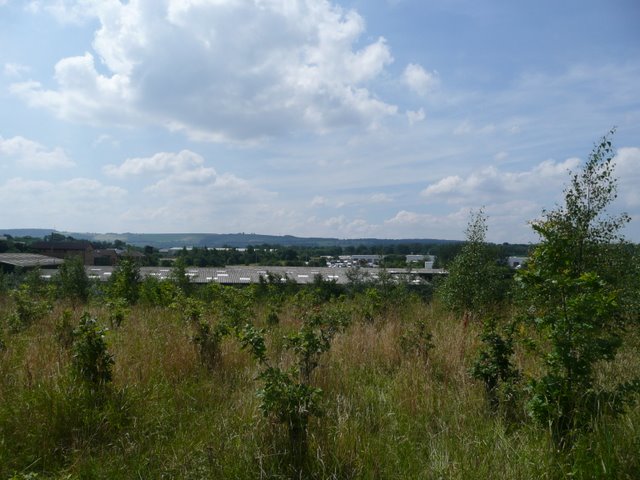
Sinking began at Wharncliffe Silkstone Colliery, at Pilley in Tankersley about five miles south of Barnsley, in 1854. The Wharncliffe Silkstone Colliery Company was incorporated in 1890 and was one of the principal coke makers of the Sheffield district. By 1914 the colliery had four shafts connecting the Fenton seam at 26 yards, the Parkgate at 61, the Thorncliffe Thin at 89, the Silkstone at 151 and the Whinmoor at 218 yards, and employed about 300 people over three shifts; electricity was used underground for lighting, pumping, coal cutting and conveying. On 30 May 1914 an explosion in the Athersley Whinmoor district, a longwall face of over 900 yards cut by electric machines, killed twelve men (see Disasters, below). The jury found that the fan had been stopped and restarted while a defective coal-cutting machine ran at the face, igniting the gas, and that the whole of the management had been very negligent, but not criminally so. In the late 1940s the pit and its busy shift changes still dominated Pilley, and a slip of the pit hill in the early 1950s caused much disruption. The last working man at the colliery retired in November 1972, after helping to demolish its buildings, and the site is now occupied by Wentworth Industrial Park.
Geology
The Fenton (26 yards), Parkgate (61), Thorncliffe Thin (89), Silkstone (151) and Whinmoor (218 yards) seams; the Whinmoor, about 2 feet 6 inches thick under a bind roof, lay 67 yards below the Silkstone.
Workings
Four shafts in 1914 — Nos. 1 and 4 downcast and winding, No. 3 the main upcast and No. 2 an upcast with its own fan for old goaf — with longwall faces cut by electric coal-cutters and electric conveyors, and endless-rope haulage driven from the surface.
Closure
No closure date has been found in the sources read; the last working man retired in November 1972 after helping to demolish the buildings.
What remains
The colliery site is occupied by Wentworth Industrial Park, with a re-seeded former spoil heap beside it.
None recorded.
Nearby mines
- Wentworth Silkstone Colliery — 4.3 km NW
- Wharncliffe Wood Ganister Mines — 4.9 km S
- Elsecar Colliery — 5.0 km E
- Smithy Wood Colliery — 5.3 km SE
- Oaks Colliery — 6.3 km NE
Straight-line distance, within 15 km. Show on the map.
People
- G. Blake Walker · agent, 1914 — Managing director and agent of the Wharncliffe Silkstone Colliery Company in 1914.
- Johnathan Wroe · manager, 1914 — Certificated manager at the 1914 explosion.
Recorded claims
Individual factual claims, each attached to the source(s) that support it below. Where sources disagree, both are kept.
- Sinking began at Wharncliffe Silkstone in 1854; the company was incorporated in 1890 and was one of the principal coke makers of the Sheffield district. 1,2
- In 1914 the four shafts connected the Fenton, Parkgate, Thorncliffe Thin, Silkstone and Whinmoor seams, the Whinmoor at 218 yards. 1
- On 30 May 1914 an explosion in the Athersley Whinmoor district killed twelve. 1
- The jury found the ignition was caused by stopping and restarting the fan with a defective coal-cutting machine running, and that the management had been very negligent but not criminally so. 1
- The last working man at the colliery retired in November 1972 after helping to demolish its buildings; the site is now Wentworth Industrial Park. 3
- Wentworth Industrial Park occupies the site of the former Wharncliffe Silkstone Colliery (2008). 4
- The national catalogue holds a Wharncliffe Silkstone plan of the Parkgate seam. 5
Photographs & further reading
The colliery's shafts and seams, the 1914 explosion and the jury's verdict.
View sourceA local resident's recollections of the colliery and village from the late 1940s.
View sourceSources
- (secondary) Wharncliffe Silkstone Colliery Explosion – Barnsley – 1914 — Northern Mine Research Society
- (secondary) Wharncliffe Silkstone Colliery — Grace's Guide
- (secondary) Wharncliffe Silkstone Colliery ~ Pilley Pit (Geoff Parkin, 2009) — Tankersley Parish Council
- (observational) Wentworth Industrial Park (Geograph photo 898047, 2008) — Geograph Britain and Ireland
- (primary) BGS / Mining Remediation Authority mine plans catalogue: Wharncliffe Silkstone (Parkgate) — British Geological Survey
Record created: 17 September 2026 · Last researched: 17 September 2026