 MineArchive
Walton Colliery
| Location | Walton, near Wakefield, West Yorkshire — 53.6484, -1.4682 (approximate) |
|---|---|
| Commodity | Coal |
| Type | Coal |
| Worked | 1890 (shafts sunk)–3 December 1979 |
| Maximum depth | Unknown. |
Overview
A West Yorkshire colliery south of Wakefield, established by the sinking of new shafts in 1890 after two centuries of failed attempts to work Walton's coal commercially. It employed over 700 within fifteen years and about 1,200 at its peak in 1930, when it was reckoned one of the best-equipped pits in the country. The last coal came up on 3 December 1979 and 550 jobs went with it. The site is now a 178-acre nature park.
History
Coal lay at or near the surface around Walton and had been taken since medieval times, but the village resisted industrial working for a long while. Attempts to get coal commercially were made from the seventeenth century onwards and none of them held. Mining was only fully established in 1890 with the sinking of the new colliery shafts, by which time pits had long been working in the neighbouring villages.
It grew quickly: over 700 employed within fifteen years, and a peak of about 1,200 men in 1930, when the colliery was among the best equipped in the country. Its surface plant ran on steam — six steam engines, two of them winders, with a compressor, a fan and others — before an electric winder and power house were built. The Barnsley canal ran through the parish and had carried coal since 1802, but subsidence from the district's own mines drove its maintenance costs up and closed it in 1953.
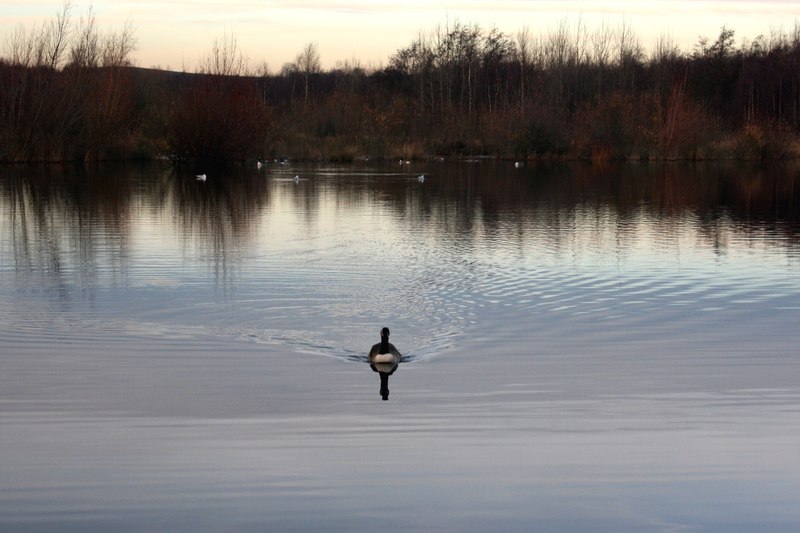
The last coal was drawn on 3 December 1979 and 550 jobs were lost. Reclamation began in 1993: the ground was reshaped with heavy plant, covered with topsoil, planted with 100,000 native trees — cherry, oak, willow, ash, birch and hazel — and given several lagoons and six miles of paths. The work was finished by 1996 and the 178-acre site was designated a Local Nature Reserve in October 2008.
Geology
The Yorkshire coalfield, with coal lying at or near the surface around Walton — which is why it was taken from medieval times and why so many attempts were made to work it commercially before 1890. The deeper working that followed brought its own consequence above ground: subsidence from the district's mines raised the maintenance cost of the Barnsley canal until it closed in 1953.
Geological setting: Sedimentary Beds and Seams (well documented example)
Workings
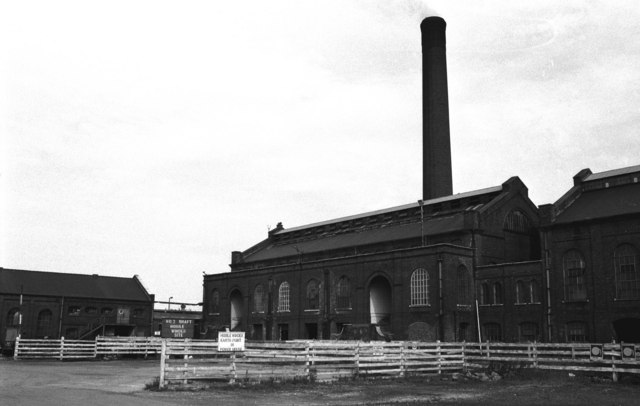
Shafts sunk in 1890. The colliery ran six steam engines, among them two winders, a compressor and a fan, and later gained an electric winder and power house alongside the chimney. By 1930 it was described as one of the best-equipped collieries in the country.
Closure
The last coal was drawn on 3 December 1979, with the loss of 550 jobs. The colliery had been the village's principal employer for close to ninety years.
What remains
Walton Colliery Nature Park, 178 acres of reclaimed ground with lagoons and six miles of paths, designated a Local Nature Reserve in October 2008. Nothing of the colliery itself stands: photographs from the 1970s show the power house, the electric winder and the chimney, and one taken after clearance is captioned simply 'All gone'.
Nothing of the colliery stands; the ground is Walton Colliery Nature Park.
Redevelopment
Reclamation began in 1993 and was completed by 1996: the site was reshaped, covered in topsoil and planted with 100,000 native trees, with several lagoons and six miles of paths laid out across 178 acres.
Related mines
- Gascoigne Wood Mine — Gascoigne Wood's workforce was transferred in from exhausted Wakefield-area pits, beginning in 1978-79 with miners from Walton Colliery.
Nearby mines
- Newmillerdam Colliery — 1.8 miles (2.8 km) SW
- Crigglestone Colliery — 2.4 miles (3.9 km) W
- Nostell Colliery — 2.9 miles (4.7 km) E
- New Monckton Colliery — 3.4 miles (5.5 km) SE
- Wrenthorpe Colliery — 3.5 miles (5.6 km) NW
Straight-line distance, within 9 miles (15 km). Show on the map.
Disasters & major incidents
-
Walton Colliery explosion, 1959
1959 · Explosion · 5 fatalities
On 22 April 1959 firedamp seeping from the floor at a fault in Walton Colliery's Top Haigh Moor seam, near Wakefield, was fired by an arc from a damaged coal-cutter cable in the poorly ventilated 5's Unit. The overman Lawrence Coe and the four men with him died; eight rescuers were taken to hospital with carbon monoxide.
Recorded claims
Individual factual claims, each attached to the source(s) that support it below. Where sources disagree, both are kept.
- Coal had been taken at or near the surface since medieval times and attempts were made to work it commercially from the seventeenth century, but mining was only fully established in 1890 with the sinking of the new colliery shafts. 1
- Over 700 were employed within fifteen years of the sinking, peaking at about 1,200 in 1930, when the colliery was one of the best equipped in the country. 1,2
- The last coal was dug at Walton on 3 December 1979, with the loss of 550 jobs. 2
- Work on turning the site into a 178-acre nature park began in 1993, planting 100,000 native trees and creating lagoons and six miles of paths; it was completed by 1996 and the park was designated a Local Nature Reserve in 2008. 1,2
- The BGS mine-plans catalogue holds a Mining Remediation Authority abandonment plan titled 'Walton' (catalogue NE847, Kents Thick, dated 1980). 3
Photographs & further reading
The village's own history, covering the failed early attempts at commercial coal, the 1890 sinking, the Barnsley canal and the subsidence that closed it.
View sourceSources
- (secondary) About Walton — Walton Parish Council — Walton Parish Council
- (secondary) How Walton went from nature hub to industrial village — The Yorkshire Post
- (primary) BGS / Mining Remediation Authority mine plans: WALTON — British Geological Survey / Mining Remediation Authority
- (observational) Walton Colliery — Geograph Britain and Ireland
Record created: 9 September 2026 · Last researched: 9 September 2026