 MineArchive
Snowdown Colliery
| Location | Snowdown, near Nonington, Kent — 51.2119, 1.2258 (approximate) |
|---|---|
| Commodity | Coal |
| Type | Coal |
| Worked | From 1907 (sinking)–1987 |
| Maximum depth | No. 2 shaft 3,083 ft (940 m); coal worked at over 3,000 ft |
| Operators | Pearson & Dorman Long (1924–1947), National Coal Board (1947–1987) |
Overview
The deepest, hottest and most feared pit in the Kent coalfield, known to the men who worked it as Dante's Inferno. Snowdown raised the first commercial coal in Kent in 1912, having drowned a shaft and a crew of sinkers to get there, and worked in temperatures near 38°C until it closed in 1987.
History
Arthur Burr's Foncage Syndicate began Snowdown in 1907, Mrs Weston Plumptre cutting the first sod in February. The sinking ran straight into the problem that had defeated other Kent shafts: water. The No. 1 shaft was lost to a sudden inrush at 260 ft, and the shaft was abandoned. A second shaft succeeded, and on 19 November 1912 Snowdown raised the first commercial coal ever produced in Kent, from 1,370 ft; the Beresford seam, 5 ft 6 in thick, followed two months later and was soon yielding 800 tons a week. A strike in 1921 and receivership closed the pit in 1922, but Pearson & Dorman Long bought it in 1924, scrapped the steam winding plant for an electric one, and built the village of Aylesham to house 650 mining families. By nationalisation in 1947 Snowdown employed over 1,800 men. Coaling ceased in 1986 and the colliery closed the following year.
Geology
Snowdown worked the concealed Kent coalfield — Coal Measures buried deep beneath younger chalk and other cover, which is why Kent's pits had to be so deep and why their shafts had so much water to fight on the way down.
Geological setting: Concealed Coalfields (well documented example), Sedimentary Beds and Seams (well documented example)
Workings
Three shafts, the deepest of them 3,083 ft (940 m), with coal worked at over 3,000 ft. Depth brought heat: Snowdown was the hottest and most humid pit in Kent, with temperatures reaching about 38°C at 80 per cent humidity. Men drank around 24 pints of water in an eight-hour shift, heat stroke was common, and most worked naked because clothing was unbearable — the conditions that earned the pit its nickname and a reputation as one of the worst places to work in Britain.
Closure
Coaling stopped in 1986 and the colliery closed in 1987, leaving Aylesham — a village built for it — without the industry it was made for.
What remains
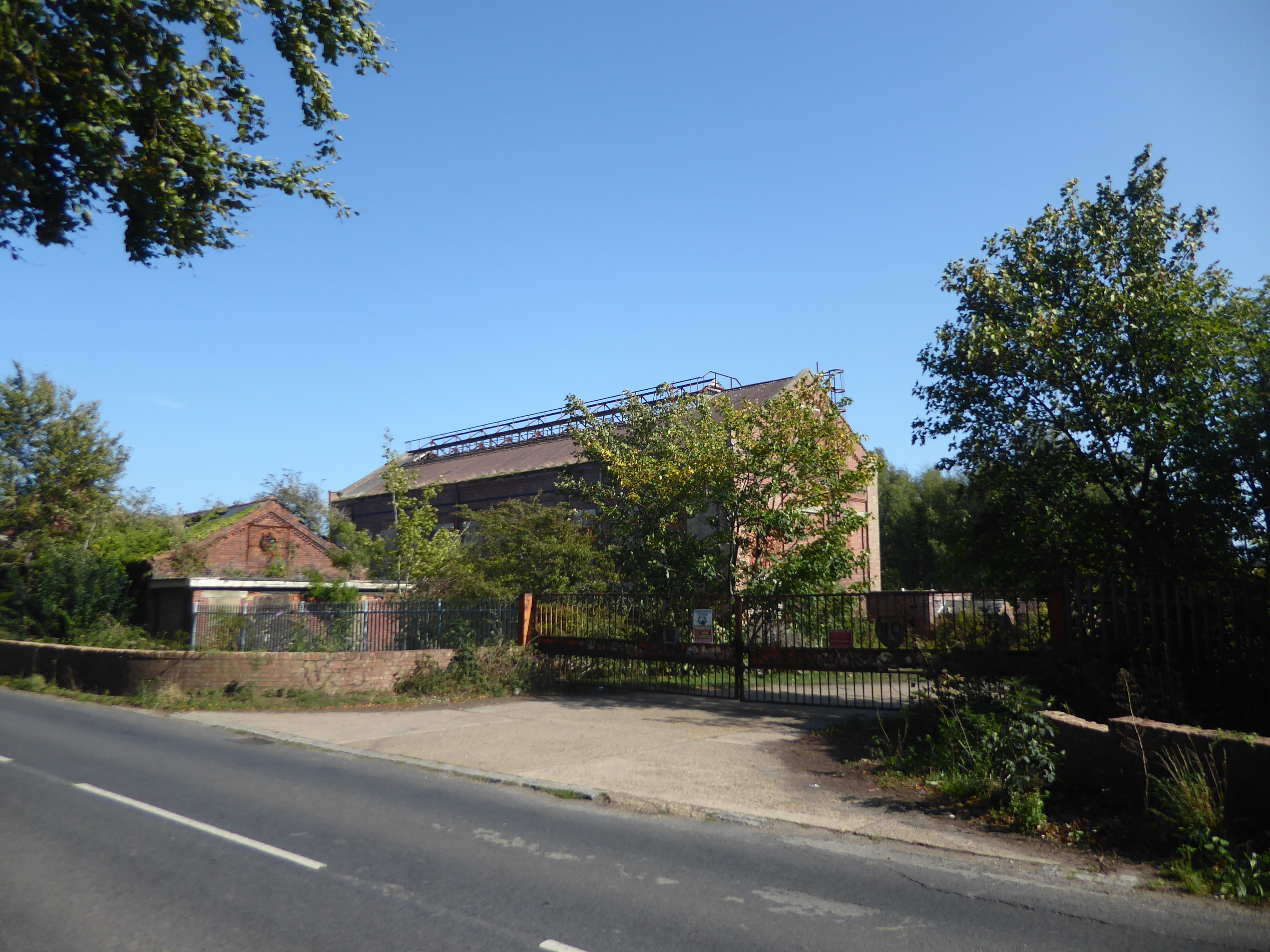
Derelict. The headgear was demolished, but a 2007 visit found most of the colliery buildings still standing, an office block with its contents inside, and nature well advanced through the site; two of the three shafts were located, each capped and marked by an obelisk with a plaque.
Derelict colliery buildings, and capped shafts marked by inscribed obelisks.
Nearby mines
- Tilmanstone Colliery — 2.1 miles (3.4 km) E
- Betteshanger Colliery — 5.4 miles (8.7 km) E
- Chislet Colliery — 7.6 miles (12.2 km) N
Straight-line distance, within 9 miles (15 km). Show on the map.
Culture
- Snowdown Colliery Welfare F.C. (Sports)
The colliery whose workforce founded the club in 1913 and whose closure in 1987 preceded the club's own end by 17 years.
What's uncertain
Points where sources disagree or the record could not be settled; both accounts are kept. All open questions in the archive.
- The No. 1 shaft was lost during sinking to a sudden water inrush at 260 ft; the Northern Mine Research Society and Dover Museum both record 22 men drowned and the shaft abandoned. (uncertain) 1,2
- A detailed local history of the sinking names Edwin Knight as the first man killed at Snowdown, drowned by a sudden inrush of water into the shaft, and does not describe a mass-fatality event. (uncertain) 3
Recorded claims
Individual factual claims, each attached to the source(s) that support it below. Where sources disagree, both are kept.
- Snowdown raised the first commercial coal produced in Kent on 19 November 1912, from a depth of 1,370 ft. 1,2
- The No. 1 shaft was lost during sinking to a sudden water inrush at 260 ft; the Northern Mine Research Society and Dover Museum both record 22 men drowned and the shaft abandoned. (uncertain) 1,2
- A detailed local history of the sinking names Edwin Knight as the first man killed at Snowdown, drowned by a sudden inrush of water into the shaft, and does not describe a mass-fatality event. (uncertain) 3
- Snowdown was the hottest and most humid pit in Kent, at about 38°C and 80 per cent humidity; men drank some 24 pints of water a shift, heat stroke was frequent, and most worked naked. 1
- Pearson & Dorman Long bought the colliery in 1924, replaced the steam winding plant with an electric one, and built Aylesham village for 650 mining families. 1,2
- Snowdown employed over 1,800 men before nationalisation in 1947. 2
- An October 2007 visit found most colliery buildings intact and heavily overgrown, the headgear already demolished, and two of the three shafts capped and marked by obelisks with plaques. 4
- BGS and the Coal Authority hold 77 catalogued mine plans for Snowdown. 5
- On 14 June 1907, a sudden inrush of water at 280 feet caught thirteen men at the bottom of the No. 1 shaft; twelve escaped by climbing the pumping equipment and floating on brattice cloth, but the chargeman, 57-year-old Edwin Knight, drowned. This is a distinct, better-documented event from the shaft's eventual abandonment to flooding, and does not itself meet this archive's multiple-fatality disaster threshold. 6
Photographs & further reading
The museum's account of the pit, its sinking and its working conditions.
View sourceDated photographic record of the derelict colliery buildings.
View sourceSources
- (secondary) Snowdown Colliery — Dover Museum
- (secondary) Snowdown Colliery — Northern Mine Research Society
- (secondary) Snowdown Colliery: the beginning of coal mining at Holt Street in Nonington — Nonington Parish local history
- (observational) Snowdown Colliery, Kent, October 2007 — Derelict Places
- (primary) BGS mine plans catalogue: Snowdown Colliery (record 21860012) — British Geological Survey / The Coal Authority
- (primary) Durham Mining Museum — Snowdown Colliery (UK) — Durham Mining Museum
Record created: 25 August 2026 · Last researched: 25 August 2026