 MineArchive
Rankinston Colliery
| Also known as | Rankinston No. 1 Pit, Rankinston No. 3 Pit |
|---|---|
| Location | Rankinston, near Patna, East Ayrshire — 55.3881, -4.4404 (exact) |
| Commodities | Coal, Ironstone |
| Type | Coal |
| Worked | By 1880–1913 (ironstone workings abandoned) |
| Maximum depth | About 110 fathoms (201 m), No. 2 Pit |
| Operators | Merry & Cuninghame, Glengarnock Iron and Steel Company |
Overview
An ironstone and coal colliery north-east of Patna, Ayrshire, owned by Merry and Cuninghame and then the Glengarnock Iron and Steel Company. Its Nos. 1 and 2 Pits reached the Dalmellington Blackband at 185 and 201 metres; the ironstone workings were abandoned in 1913.
History
Rankinston Colliery lay north-east of Patna in Ayrshire and worked ironstone as much as coal. Its No. 1 and No. 2 Pits were sunk to the Dalmellington Blackband ironstone, No. 1 to 101 fathoms (185 m) and No. 2 to 110 fathoms (201 m), and served as the upcast and downcast shafts of an ironstone mine whose branching roads followed a blackband about two feet thick south of Rankinston House, over about 1.2 km from end to end. No. 3 Pit, to the north, worked mainly coal, with ironstone workings of its own; plans of its Pennyvenie Splint workings were abandoned as early as 1880.
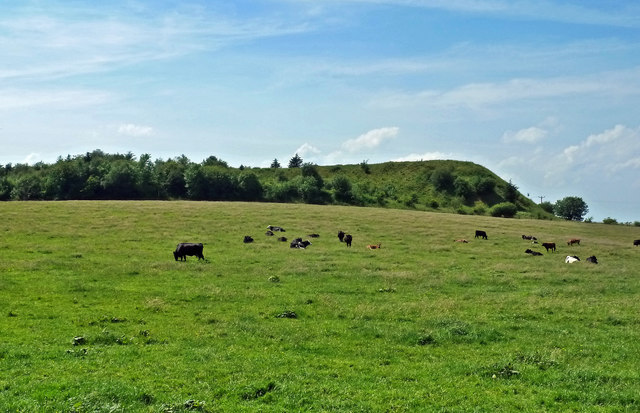
The owners were the ironmasters Merry and Cuninghame, followed by the Glengarnock Iron and Steel Company. A Merry and Cuninghame mineral line ran south from the Ayr and Cumnock railway at Rankinston, where a station opened in 1884 and the village grew up round it. The colliery employed 175 people in 1894 and 185 in 1900, raising household, manufacturing and steam coal and ironstone; by 1905 only ironstone was listed, and in 1910 136 people worked the blackband. An engineman was scalded to death in 1901 when the stop-valve casing of the pumping engine burst as he started it. Plans of No. 3's Patna coals and blackbands were closed in 1900, and the blackband ironstone workings were abandoned in 1913. The pit sites lie under derelict ground with spoil mounds, and the colliery's bing, never restored, has grown over and stands as a local landmark.
Geology
Ayrshire coalfield: the Dalmellington and Corbie Craig Blackband ironstones, about two feet thick, the Pennyvenie Splint, Blind (Splint), Steam and other Patna coals.
Workings
No. 1 Pit (185 m, upcast) and No. 2 Pit (201 m, downcast) to the Dalmellington Blackband, with branching ironstone roads over about 1.2 km; No. 3 Pit to the north, mainly for coal; a mineral line to the Ayr and Cumnock railway.
Closure
The blackband ironstone workings were abandoned in 1913; No. 3's coal and blackband plans were closed in 1900 and other coal plans in 1887, 1900 and 1901.
What remains
The pit sites lie under derelict ground with spoil mounds; the unrestored bing is overgrown.
Spoil mounds and the colliery bing.
Redevelopment
Unknown.
Related mines
- Auchenharvie Colliery — Owned by the Glengarnock Iron and Steel Company.
- Auchinraith Colliery — Merry and Cuninghame collieries.
- Carnbroe Colliery — Merry and Cuninghame collieries.
- Dockra Ironstone Pit — Ironstone pits of both Merry and Cuninghame and the Glengarnock Iron and Steel Company.
Nearby mines
- Littlemill Colliery — 1.0 miles (1.7 km) NW
- Polquhairn Colliery — 2.0 miles (3.2 km) NE
- Shieldmains Colliery — 2.6 miles (4.2 km) N
- Dalmellington Iron Works — 3.1 miles (4.9 km) S
- Dunaskin Ironworks — 3.1 miles (5.0 km) S, South Ayrshire
Straight-line distance, within 9 miles (15 km). Show on the map.
Recorded claims
Individual factual claims, each attached to the source(s) that support it below. Where sources disagree, both are kept.
- Rankinston No. 1 Pit reached the Dalmellington Blackband ironstone at 101 fathoms (185 m) and No. 2 Pit at 110 fathoms (201 m); they were the upcast and downcast of the ironstone workings. 1
- Rankinston Colliery was owned by Merry and Cuninghame and then the Glengarnock Iron and Steel Company. 2,1
- Rankinston employed 175 people in 1894, 185 in 1900 and 136 in 1910, when it worked the blackband. 2
- A Merry and Cuninghame mineral line ran south from Rankinston on the Ayr and Cumnock line, where a station opened in 1884. 3
- Rankinston's blackband ironstone workings were abandoned in 1913. 4
- Plans of Rankinston No. 3's Pennyvenie Splint workings were abandoned in 1880. 5
- The colliery's spoil heap was never restored and is now overgrown, a prominent local landmark. 6
Photographs & further reading
Shaft depths, the layout of the ironstone workings and links to the abandonment plans.
View sourceOwners, employment, output and those killed at the colliery.
View sourceSources
- (secondary) Rankinston No.1 Pit (site 8295) — Grampian Speleological Group: Scottish Cave and Mine Database
- (primary) Rankinston Colliery — Durham Mining Museum
- (secondary) Rankinston — RAILSCOT
- (primary) BGS mine plan: Rankinston ironstone pit blackband workings, abandoned 1913 — BGS / Mining Remediation Authority mine plans
- (primary) BGS mine plan: Rankinston No 3, Pennyvenie Splint, abandoned 1880 — BGS / Mining Remediation Authority mine plans
- (observational) Rankinston pit bing (Geograph 6519609) — Geograph
Record created: 4 October 2026 · Last researched: 4 October 2026