 MineArchive
Nenthead Mines
| Location | Nenthead, Cumbria — 54.7892, -2.3428 (approximate) |
|---|---|
| Commodities | Lead, Silver, Zinc |
| Type | Metal |
| Worked | 1737–1961 |
| Maximum depth | at least 260 ft (79 m) at the Rampgill engine shaft |
| Operators | London Lead Company (1737–1882), Vieille Montagne Zinc Company (1895–1948) |
Overview
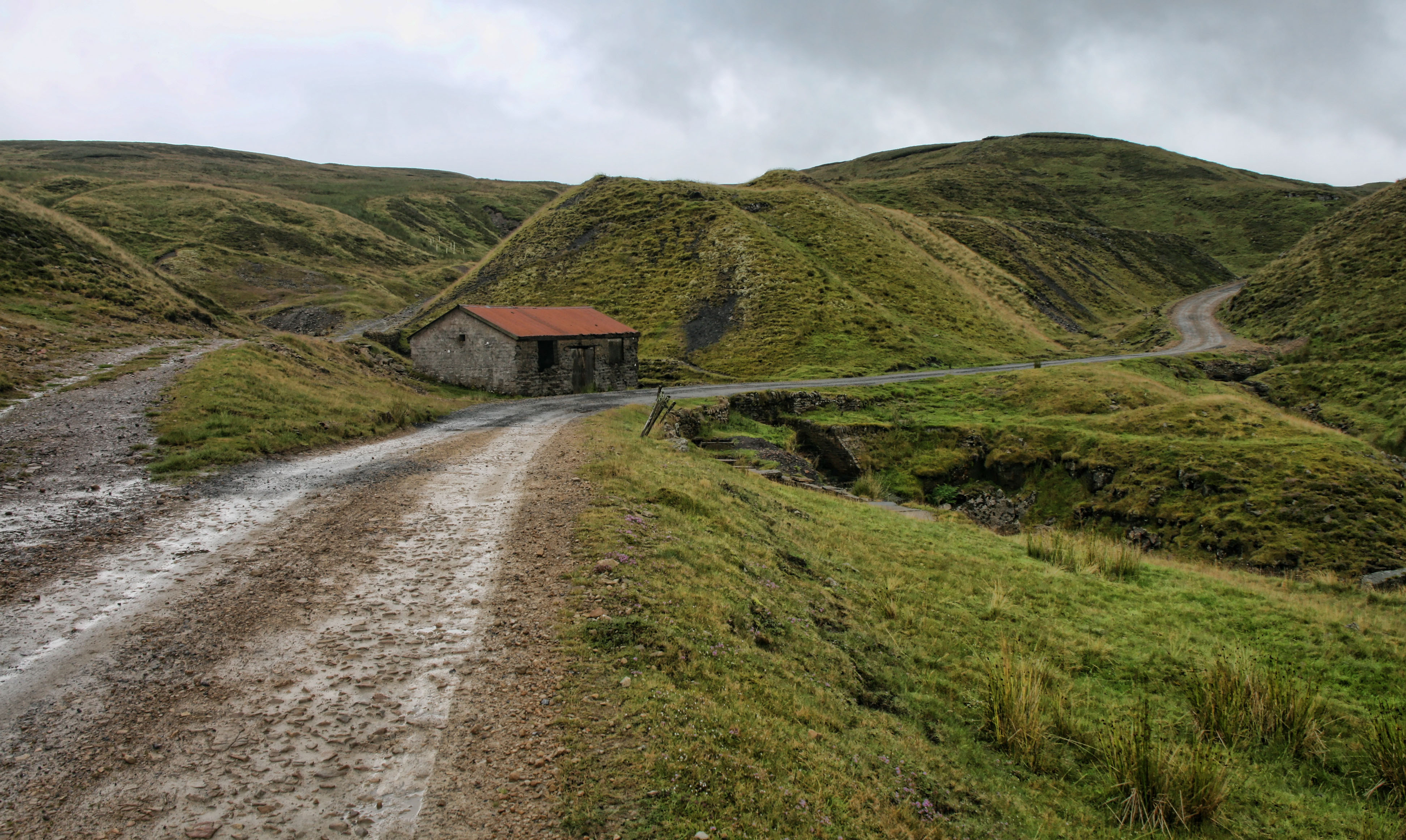
Nenthead, high in the North Pennines, was one of England's most important lead and silver mining centres — and, thanks to its Quaker owners, a genuinely pioneering industrial community. The London Lead Company built the first purpose-built industrial village in England here, complete with a free lending library and compulsory schooling, laying groundwork that would later inform the modern welfare state.
History
Lead mining in the wider Alston Moor area goes back to Roman and medieval times, but Nenthead itself developed from 1737, when George Liddle built the settlement's first smelt mill. The Quaker-owned London Lead Company acquired and expanded the operation, building worker housing, a school, washhouses and other facilities as part of a deliberately paternalistic approach to industrial welfare; by 1861 the village had grown to around 2,000 people, most of them Methodist and employed by the company. By 1882 the smelt mill could process 8,000 bings (64,000 long hundredweight, around 3,300 tonnes) of ore a year.
As lead prices fell in the 1870s, the London Lead Company sold its Nenthead mill and leases in 1882 to the Nenthead and Tynedale Lead and Zinc Company, which was able to extract zinc ore from the old lead workings. The Belgian Vieille Montagne Zinc Company acquired the leases in 1895. Mining on Alston Moor never fully recovered from wartime labour shortages during the First World War, and although Vieille Montagne gave up its lease in 1948, some mining activity in the district continued until 1961.
Geology
The mines worked lead- and zinc-bearing veins in the North Pennines orefield, a landscape now protected as part of the North Pennines Area of Outstanding Natural Beauty.
Geological setting: Veins and Lodes (well documented example)
Workings
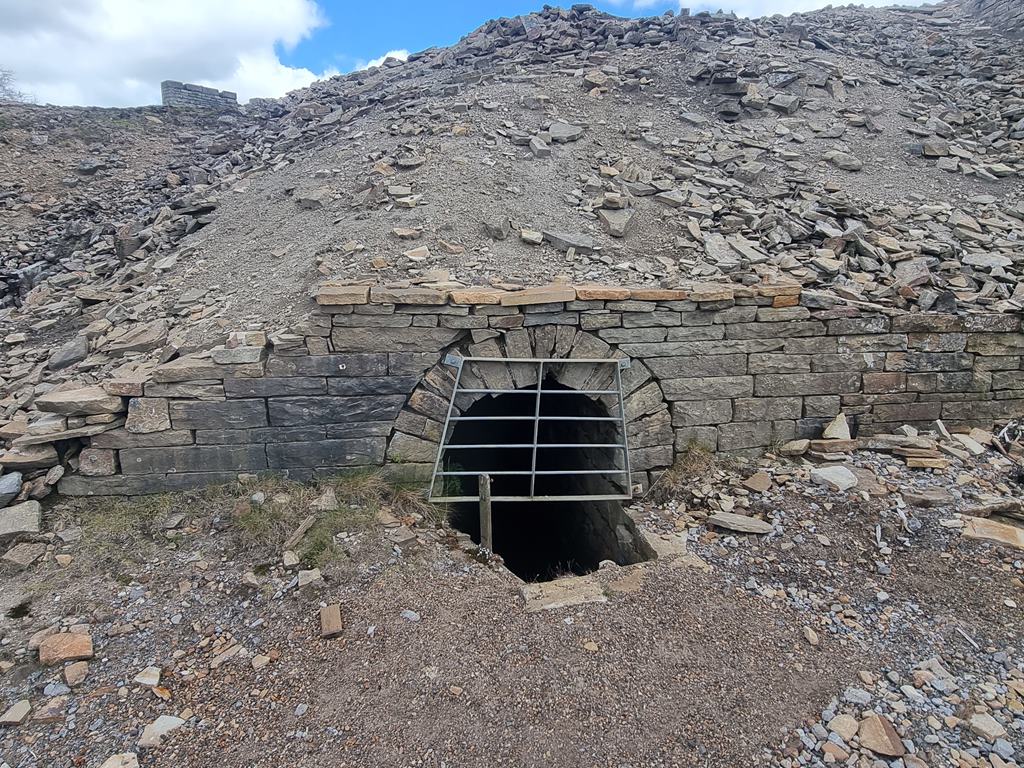
Workings included the Rampgill engine shaft, sunk to at least 260 ft (79 m). Horse whims were used to raise ore and materials at some of the mine entrances, several of which remain accessible today.
Closure
Sources differ slightly on the precise end date: the Belgian-owned Vieille Montagne Zinc Company gave up its lease in 1948, but some further mining activity in the district is recorded as continuing until 1961 — the more commonly cited final closure date.
What remains
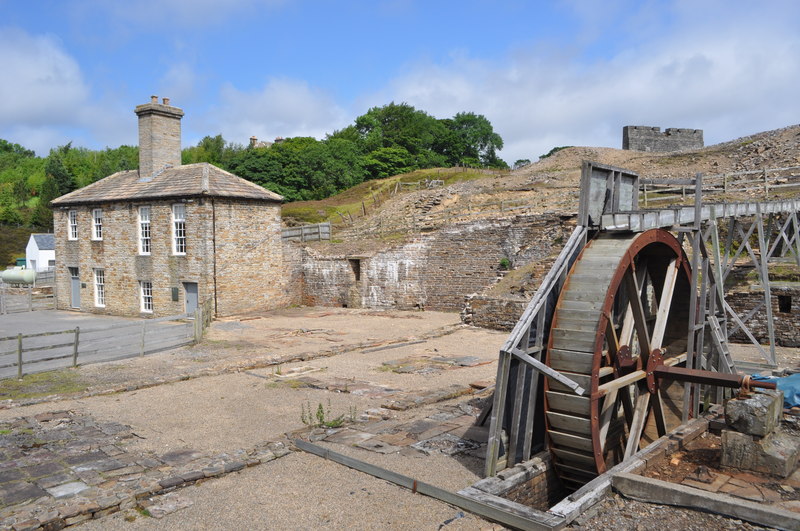
The site covers around 200 acres of former mining landscape and is looked after by the Nenthead Mines Conservation Society, an all-volunteer charity. The ground and its network of paths and trackways across the old workings are open all year, but the buildings and the mine itself open only on the Society's advertised open days, when volunteers lead guided trips into Carrs Mine. Modern mineral exploration, including boreholes drilled to around 1,640 ft in 2013, has identified potentially substantial untapped zinc deposits beneath the site.
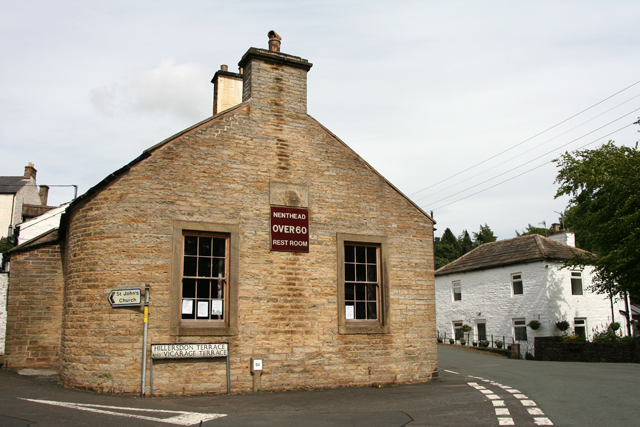
Surviving structures include the assay house and a reconstructed waterwheel, workers' housing built by the London Lead Company, and a Grade II listed Methodist chapel — unused since 2002, and the recipient of £134,500 in Heritage Lottery Fund support.
Redevelopment
Nenthead Mines is maintained as a heritage site by volunteers, with a heritage centre, waymarked trails across the former workings, and guided underground trips into Carrs Mine on advertised open days rather than daily.
Related mines
- Carrs Mine — Carrs is one of the constituent mines of the Nenthead complex and its visitor mine, worked under the same London Lead Company and Vieille Montagne leases.
- Flinty Fell Lead Rakes — The workings driven from Nenthead run under Flinty Fell and meet Whitesike's beneath Longholehead Whimsey; by the early 19th century most of the working on these veins was being done from the Nenthead and Garrigill Burn adits.
- Hardshins Lead Mine — Both London Lead Company mines; Nenthead was the company's centre over the fell from Hardshins.
Nearby mines
- Smallcleugh Mine — 0.2 miles (0.3 km) SW
- Dowgang Mine — 0.3 miles (0.4 km) E
- Longcleugh Mine — 0.3 miles (0.5 km) E
- Caplecleugh Mine — 0.5 miles (0.8 km) SW
- Carrs Mine — 0.5 miles (0.8 km) SE
Straight-line distance, within 9 miles (15 km). Show on the map.
What's uncertain
Points where sources disagree or the record could not be settled; both accounts are kept. All open questions in the archive.
- Modern mineral exploration, including boreholes drilled to around 1,640 ft in 2013, has identified potentially substantial untapped zinc deposits roughly 490 ft below the surface at Nenthead, though no new mining has resulted. (uncertain) 1
- A May 2009 report describes pony hoofprints and hobnail bootprints still visible in taped-off ground at Smallcleugh, an 1795 carving in the stonework, and tools left underground at Nenthead “almost as though the miners had left the day before.” (uncertain) 2
Recorded claims
Individual factual claims, each attached to the source(s) that support it below. Where sources disagree, both are kept.
- The London Lead Company built Nenthead as the first purpose-built industrial village in England, providing worker housing, a free lending library and compulsory schooling for children. 1
- The Vieille Montagne Zinc Company gave up its Nenthead lease in 1948, but some further mining in the district is recorded as continuing until 1961. 1
- Modern mineral exploration, including boreholes drilled to around 1,640 ft in 2013, has identified potentially substantial untapped zinc deposits roughly 490 ft below the surface at Nenthead, though no new mining has resulted. (uncertain) 1
- A May 2009 report describes pony hoofprints and hobnail bootprints still visible in taped-off ground at Smallcleugh, an 1795 carving in the stonework, and tools left underground at Nenthead “almost as though the miners had left the day before.” (uncertain) 2
- The BGS holds 31 catalogued Nenthead plan records, several scanned and publicly viewable. Among them are the Vieille Montagne Zinc Company's plan of part of Middlecleugh Second Sun Vein, dated January 1907, which independently documents the Belgian company's working here; plans of Smallcleugh and Scaleburn; an 1877 plan of the Dowgang lead mine; and the Nenthead & Tynedale Lead & Zinc Company's plan of the Nenthead, Priorsdale and Garrigill properties showing levels and veins. 3
- Nenthead Mines is run by the Nenthead Mines Conservation Society, an all-volunteer charity. The site itself is open all year, but the buildings and the mine are only open on the Society's advertised open days, when volunteers lead guided trips into Carrs Mine. 4
Photographs & further reading
The AONB authority's own overview of the site within the wider North Pennines landscape.
View sourceA May 2009 report covering several of the Nenthead mines, including Smallcleugh (the Wheel Flats adit and the Ball Room), Brownley Hill, Nentsbury Haggs Level and Rampgill, where the explorers located the Horse Whimsey by abseiling and crawling.
View sourceSources
- (secondary) Nenthead — Wikipedia
- (observational) Nenthead Lead Mines — May 2009 — 28DaysLater
- (primary) Nenthead mine plans (BGS catalogue) — British Geological Survey
- (primary) Nenthead Mines — Nenthead Mines Heritage Centre
Record created: 19 August 2026 · Last researched: 28 August 2026