 MineArchive
Hardshins Lead Mine
| Location | Milburn and Long Marton parish, on the Pennine escarpment, old Westmorland, Cumbria |
|---|---|
| Commodity | Lead |
| Type | Metal |
| Worked | By 1870s–May 1890 |
| Operators | London Lead Company, Hardshins Mining Company Limited (?–1890) |
Overview
A small lead mine on the Pennine escarpment above Milburn and Long Marton, in old Westmorland, with Garrigill over the fell as its post town. The London Lead Company held it in its last years on the moors, the Hardshins Mining Company of Newcastle took it on in the 1880s with eleven men, and it was given up as unprofitable in May 1890 and abandoned the year after.
History
Hardshins lies on the Westmorland side of the Cross Fell range: the abandonment catalogue puts it in Long Marton parish, the Northern Mine Research Society indexes it under Milburn, and the Durham Mining Museum, following the Lists of Mines, gives Garrigill, Alston, as its post town, the nearest office over the watershed. The London Lead Company returned it among its Appleby mines in the 1870s and 1880s, in the years when the company was winding down its Alston Moor and Westmorland leases. The 1882 list shows it standing, and in 1883 eleven men were employed raising lead ore. By 1888 the owner was the Hardshins Mining Company Limited of Newcastle upon Tyne, with Thomas Potts as manager, and the Society's index also records a Hardshins and Nether Hearth Mining Company. The mine was given up as unprofitable in May 1890 and the abandonment plan was received in January 1891. It has been written up several times in the Society's British Mining series, most fully in volume 91, which was not available for this record.
Geology
Lead veins of the Alston Block on the Westmorland escarpment of the North Pennine Orefield; the vein is not named in the sources read.
Geological setting: Veins and Lodes (historical documentary reference)
Workings
Level workings; the Society's index records the mine's levels in several articles. Employment: standing in 1882, eleven in 1883. Output figures beyond the bare returns of lead ore in 1882 to 1888 are not in the sources read.
Closure
Given up as unprofitable in May 1890 and formally abandoned in 1891, the plan (B9,972) received on 23 January 1891.
What remains
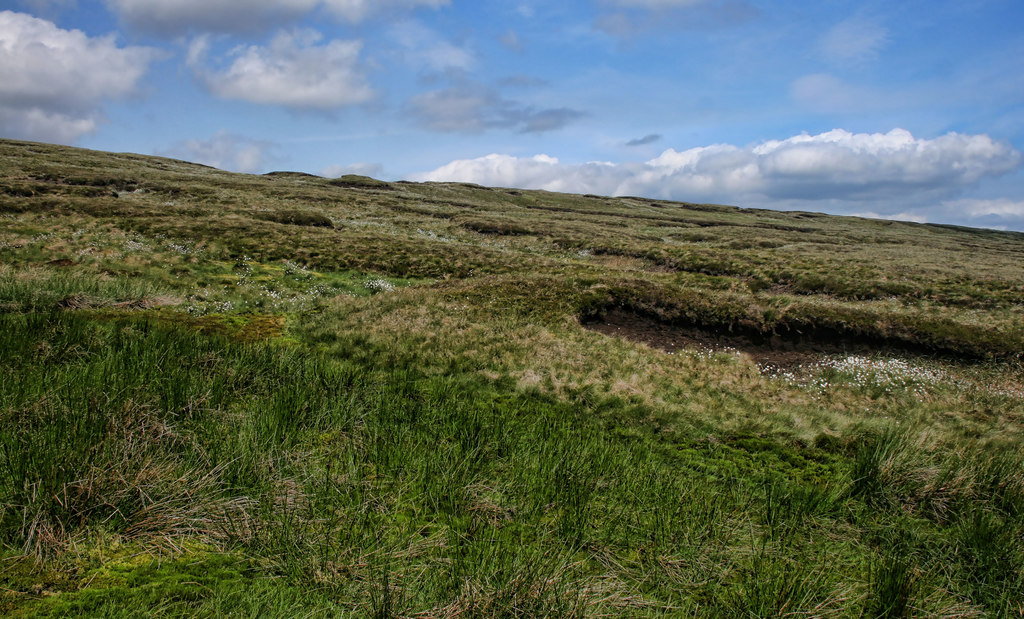
Not recorded in the sources read; the site lies on open fell within the Moor House and Cross Fell uplands.
Not recorded in the sources read.
Related mines
- Nenthead Mines — Both London Lead Company mines; Nenthead was the company's centre over the fell from Hardshins.
Recorded claims
Individual factual claims, each attached to the source(s) that support it below. Where sources disagree, both are kept.
- In Long Marton parish by the abandonment catalogue and at Milburn by the NMRS index, with Garrigill, Alston as post town in the Lists of Mines. 1,2,3
- The London Lead Company, then the Hardshins Mining Co. Ltd of Newcastle, manager Thomas Potts in 1888. 4,1,5
- Given up as unprofitable in May 1890 and abandoned in 1891. 1,2
- Standing in 1882; eleven employed in 1883. 1
Photographs & further reading
Owners, output returns and employment from the 1880s mineral statistics and the 1890 closure note.
View sourceLists the Society's published articles on Hardshins Mine, Milburn, in British Mining 43, 77 and 91.
View sourceSources
- (primary) Hardshins (Lead Ore) — Durham Mining Museum — Durham Mining Museum
- (primary) Catalogue of plans of abandoned mines: Hardshins — Durham Mining Museum — Durham Mining Museum
- (secondary) Index of articles on Westmorland published by NMRS — Northern Mine Research Society
- (primary) 1888 List of Mines under the Metalliferous Mines Act: Lead Mines (Durham District) — Mines Department, via the Durham Mining Museum
- (primary) London Lead Co. — Durham Mining Museum company page — Durham Mining Museum
Record created: 12 September 2026 · Last researched: 12 September 2026