 MineArchive
Kiveton Park Colliery
| Also known as | Kiveton Colliery |
|---|---|
| Location | Kiveton Park, near Rotherham, South Yorkshire — 53.3392, -1.2633 (exact) |
| Commodity | Coal |
| Type | Coal |
| Worked | 1866–1994 |
| Maximum depth | Just over 400 yards (about 370 m) to the Barnsley seam, reached on 5 December 1867. |
| Operators | Carrington and Company (1864–1947), National Coal Board (1947–1994) |
Overview
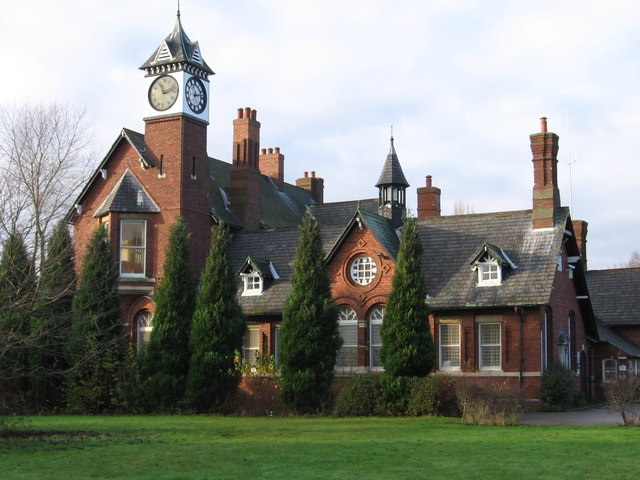
A South Yorkshire colliery sunk from 1866 that turned a farming village of 300 people into a mining community of 1,400 within a decade. It reached the Barnsley seam at just over 400 yards in December 1867 and worked for 128 years, closing in 1994 with the loss of a thousand jobs. Every colliery building has since gone except the 1870s office block with its gothic clock tower.
History
Kiveton was a rural village until 1845, when a railway was built through the district linking Sheffield with Worksop, Retford and Grimsby. In 1864 Carrington and Company leased the rights to mine coal around Kiveton, sinking began on 6 June 1866, and the Barnsley seam was reached on 5 December 1867 at just over 400 yards.
The effect on the village was immediate: the population rose from 300 to 1,400 in ten years. The colliery worked for the better part of a century and a quarter, passing to the National Coal Board at nationalisation, and closed in 1994 with the loss of a thousand jobs.
Geology
The colliery was sunk to the Barnsley seam, reached at just over 400 yards in December 1867 — the thick and productive bed that drew sinkings right across the South Yorkshire and Doncaster coalfields, and the same seam worked at Hickleton Main, Bullcroft, Brodsworth and Thorne.
Geological setting: Sedimentary Beds and Seams (well documented example)
Workings
Shafts sunk from June 1866 to the Barnsley seam at just over 400 yards, reached in December 1867. Pit-head baths were built in 1938. The colliery stood beside the Sheffield–Worksop railway that had opened the district in 1845.
Closure
The pit closed in 1994 with the loss of a thousand jobs.
What remains
All the colliery buildings have been demolished, including the pit-head baths of 1938 which had been protected, with one exception: the office building of the 1870s, with its gothic clock tower, still stands and is listed. A heritage trail now runs through the area.
The 1870s colliery office building with its gothic clock tower, which is listed; everything else, the protected 1938 pit-head baths included, has been demolished.
Nearby mines
- Norwood Colliery, Killamarsh — 1.7 miles (2.7 km) W, Derbyshire
- Waleswood Colliery — 1.7 miles (2.7 km) NW
- Harry Crofts Colliery — 2.4 miles (3.8 km) E
- North Staveley Colliery — 2.4 miles (3.8 km) NW
- Brookhouse Colliery — 2.5 miles (4.1 km) NW
Straight-line distance, within 9 miles (15 km). Show on the map.
Disasters & major incidents
-
Kiveton Park Colliery shotfiring accident, 1933
1 February 1933 · Explosion · 2 fatalities
A deputy firing shots at the face of Kiveton Park Colliery on 1 February 1933 and the young assistant charging a hole eight yards away were both fatally injured by a loud concussion. -
Kiveton Park Colliery explosion, 1941
24 June 1941 · Explosion · 5 fatalities
An explosion in the Barnsley seam at Kiveton Park Colliery at 10.30 a.m. on 24 June 1941 burned five men. Two had died by the time the Secretary for Mines told the House of Commons two days later, and the colliery's list of the dead shows five deaths from the accident, the last on 5 July.
Recorded claims
Individual factual claims, each attached to the source(s) that support it below. Where sources disagree, both are kept.
- Carrington and Company leased the rights to mine coal around Kiveton in 1864; sinking began on 6 June 1866 and the Barnsley seam was reached on 5 December 1867, just over 400 yards below the surface. 1
- The population of Kiveton rose from 300 to 1,400 over ten years as a result of the new colliery; until 1845 it had been a rural village living mainly by agriculture. 1
- The pit closed in 1994, with the loss of a thousand jobs. 1
- All the colliery buildings have been demolished, including the protected pit-head baths of 1938, except the 1870s office building with its gothic clock tower. 1
Photographs & further reading
Owners, output and employment through the colliery's life, with the museum's list of those killed there.
View sourceSources
- (secondary) Kiveton Park Colliery — Wikipedia
- (primary) Kiveton Park Colliery — Durham Mining Museum
Record created: 3 September 2026 · Last researched: 3 September 2026