 MineArchive
Dinnington Colliery
| Location | Dinnington, South Yorkshire — 53.3700, -1.2090 (exact) |
|---|---|
| Commodity | Coal |
| Type | Coal |
| Worked | 1902 (sinking)–1992 |
| Maximum depth | Unknown. |
| Operators | Sheffield Coal Company (1899–1900), Dinnington Main Colliery Company (1900–1947), Sheepbridge Coal and Iron Company (1900–?), Amalgamated Denaby Collieries Ltd (?–1947), National Coal Board (1947–1992) |
Overview
A Rotherham-area colliery sunk from 1902 by a partnership of two coal companies, whose workforce founded a brass band still playing today, and whose closure in 1992 ended nearly a century of mining that a church memorial records took the lives of at least 74 men.
History
In 1899 the Sheffield Coal Company began preparations to sink a new colliery at Dinnington, until then a mainly agricultural village, but lacked the resources to proceed alone and entered a partnership with the Sheepbridge Coal and Iron Co.; the Dinnington Main Colliery Company was formed in 1900 to carry the project forward. Sinking began in 1902 and reached the Barnsley seam in the summer of 1904, with first coal drawn to the surface the following year, when the colliery also gained its second shaft. A rail connection via the South Yorkshire Joint Railway followed in January 1909.
The colliery had its own coke ovens by 1913, and in 1923 it employed 2,420 people, 1,720 of them underground, raising coking, gas, household and steam coal. On 6 August 1908 a fall of about 25 tons of rock killed two men (see Disasters, below). By nationalisation in 1946-47, ownership had passed to Amalgamated Denaby Collieries, based near Doncaster, before the colliery became part of the National Coal Board. It employed 1,791 in 1954, working the Barnsley seam, and later the Haigh Moor and Swallow Wood.
Production at the colliery halted in October 1991 and it formally closed in 1992, with the loss of over 1,000 jobs, ending nearly a century of coal mining in the area. The site was later reclaimed, and a £60 million printing facility for Johnston Press was built there in 2006.
Dinnington's workforce founded a colliery brass band in 1904, known for part of its history as the Dinnington Main and Middleton prize brass band, which survives today. A mining memorial at St Leonard's Church in Dinnington commemorates 74 miners who died working at the colliery across its history, though the exact final tally is disputed by some researchers.
Geology
Coal of the South Yorkshire field: the Barnsley seam, reached in the summer of 1904, and in the colliery's later years the Haigh Moor and Swallow Wood seams, whose plans were closed in 1991.
Workings
Two shafts, the first reaching the Barnsley seam in 1904, the second added in 1905. The colliery had coke ovens by 1913. Abandonment plans record the Haigh Moor workings closed on 5 March 1991 and the Swallow Wood on 2 October 1991.
Closure
Production halted October 1991; the colliery formally closed in 1992, with the loss of over 1,000 jobs.
What remains
The former colliery site was reclaimed and redeveloped; a £60 million Johnston Press printing facility was built there in 2006, and the regenerated land around it includes woodland, wetland and meadows.
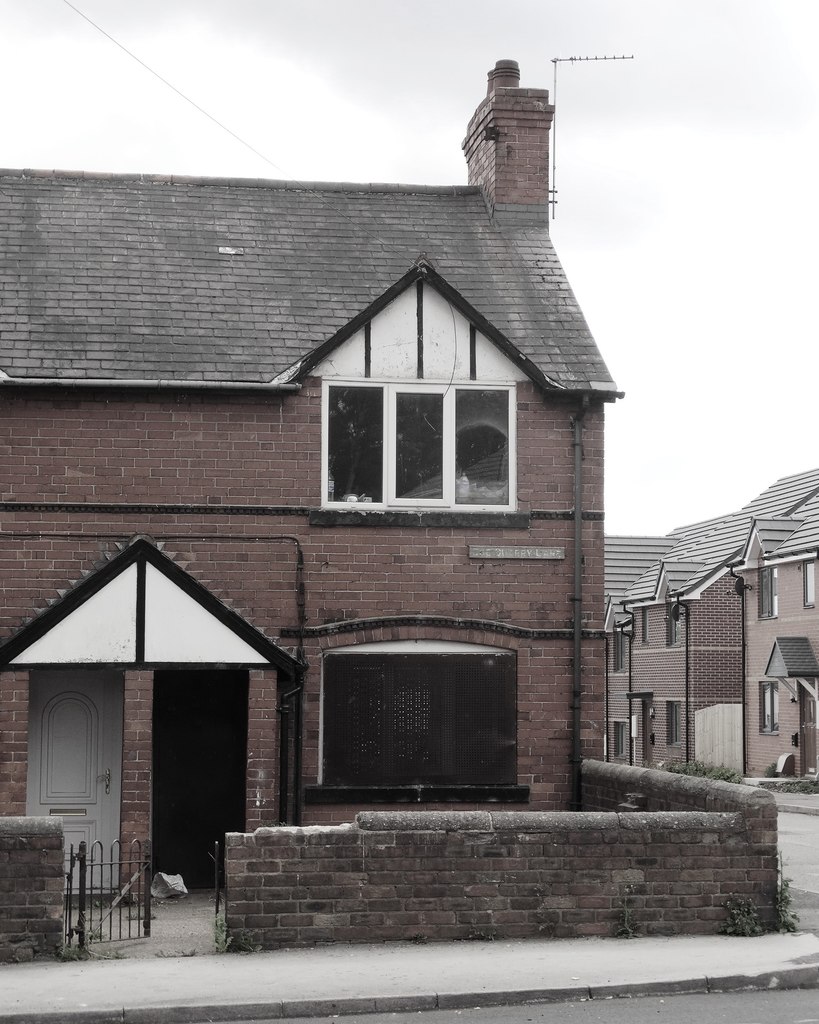
A mining memorial at St Leonard's Church, Dinnington, commemorates 74 miners who died working at the colliery, though the final tally is disputed by some researchers. A former colliery company cottage stands on Doe Quarry Lane.
Redevelopment
A Johnston Press printing works (2006) on the reclaimed site, with woodland, wetland and meadows created under the National Coalfields Programme.
Nearby mines
- Harry Crofts Colliery — 2.7 miles (4.3 km) S
- Thurcroft Colliery — 2.8 miles (4.5 km) NW
- Kiveton Park Colliery — 3.1 miles (5.0 km) SW
- Firbeck Colliery — 3.4 miles (5.4 km) E, Nottinghamshire
- Shireoaks Colliery — 3.8 miles (6.1 km) SE, Nottinghamshire
Straight-line distance, within 9 miles (15 km). Show on the map.
Disasters & major incidents
-
Dinnington Main Colliery roof fall, 1908
6 August 1908 · Collapse / Roof Fall · 2 fatalities
About 25 tons of rock fell without warning on four men getting a tub on to the road at Dinnington Main Colliery on 6 August 1908, killing Peter Drabble outright and fatally injuring Norman Fletcher; the other two were seriously hurt.
Recorded claims
Individual factual claims, each attached to the source(s) that support it below. Where sources disagree, both are kept.
- The Dinnington Main Colliery Company was formed in 1900, a partnership of the Sheffield Coal Company and Sheepbridge Coal and Iron Co.; sinking began in 1902 and reached the Barnsley seam in summer 1904. 1
- First coal was drawn to the surface in 1905, the same year the colliery gained its second shaft. 1
- Production halted in October 1991 and the colliery formally closed in 1992, with the loss of over 1,000 jobs. 1
- A mining memorial at St Leonard's Church, Dinnington, commemorates 74 miners who died working at the colliery, though the final tally is disputed by some researchers. 1
- The former colliery site was reclaimed, and a £60 million Johnston Press printing facility was built there in 2006. 1,2
- Under the Dinnington Main Coal Co. the colliery employed 2,420 in 1923, 1,350 in 1937, and under the NCB 1,791 in 1954, working the Barnsley seam. 3
- The colliery had coke ovens by 1913, when a trammer on the coke ovens was killed in a fall. 3
- The Haigh Moor workings were abandoned on 5 March 1991 and the Swallow Wood on 2 October 1991. 4,5
- Since regeneration through the National Coalfields Programme the former colliery land includes woodland, wetland and meadows. 2
- A former colliery company cottage stands on Doe Quarry Lane, Dinnington. 6
Photographs & further reading
A short history of the colliery's founding, railway, ownership, closure and memorial.
View sourceOwners, output and employment from 1923 to 1954, and the names of those killed at the colliery.
View sourceSources
- (secondary) Dinnington Main Colliery — Wikipedia
- (secondary) Dinnington — The Land Trust
- (primary) Durham Mining Museum - Dinnington Colliery (UK) — Durham Mining Museum
- (primary) BGS mine plans: Dinnington (Swallow Wood, abandoned 2 Oct 1991) — British Geological Survey / Mining Remediation Authority
- (primary) BGS mine plans: Dinnington (Haigh Moor, abandoned 5 Mar 1991) — British Geological Survey / Mining Remediation Authority
- (observational) Former colliery company cottage, Doe Quarry Lane, Dinnington (Geograph, Neil Theasby) — Geograph
Record created: 27 August 2026 · Last researched: 2 October 2026