 MineArchive
Cadeby Main Colliery
| Location | Cadeby, near Conisbrough, South Yorkshire — 53.4900, -1.2278 (exact) |
|---|---|
| Commodity | Coal |
| Type | Coal |
| Worked | 1889–7 November 1986 |
Overview
A South Yorkshire colliery whose name is inseparable from one of Britain's worst mining disasters: a 1912 firedamp explosion followed, hours later, by a second blast that killed more than half of the rescue party sent to recover the first explosion's dead.
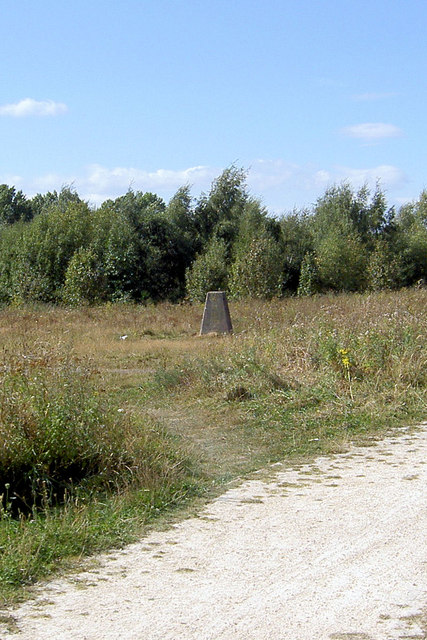
History
Cadeby Main Colliery was sunk in 1889 near Conisbrough in the West Riding of Yorkshire. Its working life was defined above all by the events of 9 July 1912. A smouldering underground fire near a geological fault, which had never been properly extinguished since it first caused a small explosion in January that year, finally triggered a major firedamp explosion at around 2am, killing 35 of the 37 miners on the night repair shift in the South District, with three more later dying of their injuries. Rescue parties, including trained mines rescue teams alongside a number of untrained volunteers who also went below to help, entered the pit to search for and recover the dead. Later the same day, a second explosion tore through the workings while the rescuers were still underground, killing 53 of them outright — among the dead, only Sergeant Winch and a man named Lawrence of the Denaby Rescue Party survived from the combined Denaby and Cadeby rescue teams. In total, 91 men died at Cadeby that day, making it one of the worst mining disasters in British history. The Chief Inspector of Mines' 1913 report identified the long-unextinguished fire as the underlying cause, and criticised the rescue operation for allowing unauthorised, untrained men underground alongside official rescue teams, a decision the report judged had increased the death toll from the second explosion. The colliery continued working for over seven further decades before closing in 1986.
Geology
Cadeby worked coal seams of the South Yorkshire coalfield, in ground disturbed by a geological fault that had allowed a fire to smoulder underground for several years before the 1912 disaster.
Workings
Coal was worked from shafts sunk in 1889, developed over nearly a century of production before closure in 1986.
Closure
Cadeby Main Colliery closed in 1986.
What remains
The colliery site has been redeveloped; a memorial to the disaster's victims stands at Denaby Cemetery.
Little of the original colliery survives above ground; the 1912 disaster's victims are commemorated by a memorial at Denaby Cemetery.
Related mines
- Denaby Main Colliery — The two Dearne valley pits were run together and merged outright: in 1967 they became "Denaby–Cadeby" and on 23 March 1968 the two mines were combined, Denaby’s Barnsley seam reserves having been exhausted.
Nearby mines
- Denaby Main Colliery — 1.1 miles (1.8 km) W
- Yorkshire Main Colliery — 1.9 miles (3.1 km) E
- Kilnhurst Colliery — 3.6 miles (5.7 km) SW
- Barnburgh Main Colliery — 3.8 miles (6.2 km) NW
- Manvers Main Colliery — 4.1 miles (6.6 km) W
Straight-line distance, within 9 miles (15 km). Show on the map.
Disasters & major incidents
-
Cadeby Main Colliery disaster, 1912
9 July 1912 · Explosion · 91 fatalities
A firedamp explosion at Cadeby Main Colliery in the early hours of 9 July 1912 killed 35 men outright, with three more later dying of their injuries; a second explosion that same day killed 53 members of the rescue party sent to recover the dead, bringing the total death toll to 91 — one of the worst mining disasters in British history.
Recorded claims
Individual factual claims, each attached to the source(s) that support it below. Where sources disagree, both are kept.
- Cadeby Main Colliery was sunk in 1889 near Conisbrough in the West Riding of Yorkshire. 1
- Cadeby Main Colliery closed in 1986. 1
- Cadeby was developed by the Denaby Main Co., becoming Denaby and Cadeby Main Collieries Ltd in 1893 and Amalgamated Denaby Collieries Ltd in 1936 (which also worked Dinnington, Rossington and Strafford Main), before passing to the National Coal Board at nationalisation in 1947. It worked coal to a depth of around 760 yards at the Barnsley seam, later also working the Parkgate, Beamshaw, Dunsil and Haigh Moor (Swallow Wood) seams. 2
- Cadeby was linked underground with the neighbouring Denaby Main Colliery in 1956, with all coal thereafter wound at Cadeby's own shafts, and the two were formally merged as 'Denaby-Cadeby' on 23 March 1968. Poor geological conditions eventually forced closure on 7 November 1986, with surface demolition and clearance completed the following year. 3
- Located at about 53.490 N, 1.228 W. 1
Sources
- (secondary) Cadeby Main Colliery — Wikipedia
- (primary) Cadeby Main Colliery (UK) — Durham Mining Museum
- (secondary) Cadeby Main Colliery — Northern Mine Research Society
Record created: 21 August 2026 · Last researched: 28 August 2026