 MineArchive
Deads
| Also known as | Attle |
|---|---|
| Dialect | Cornish |
| Category | Mine Workings & Access |
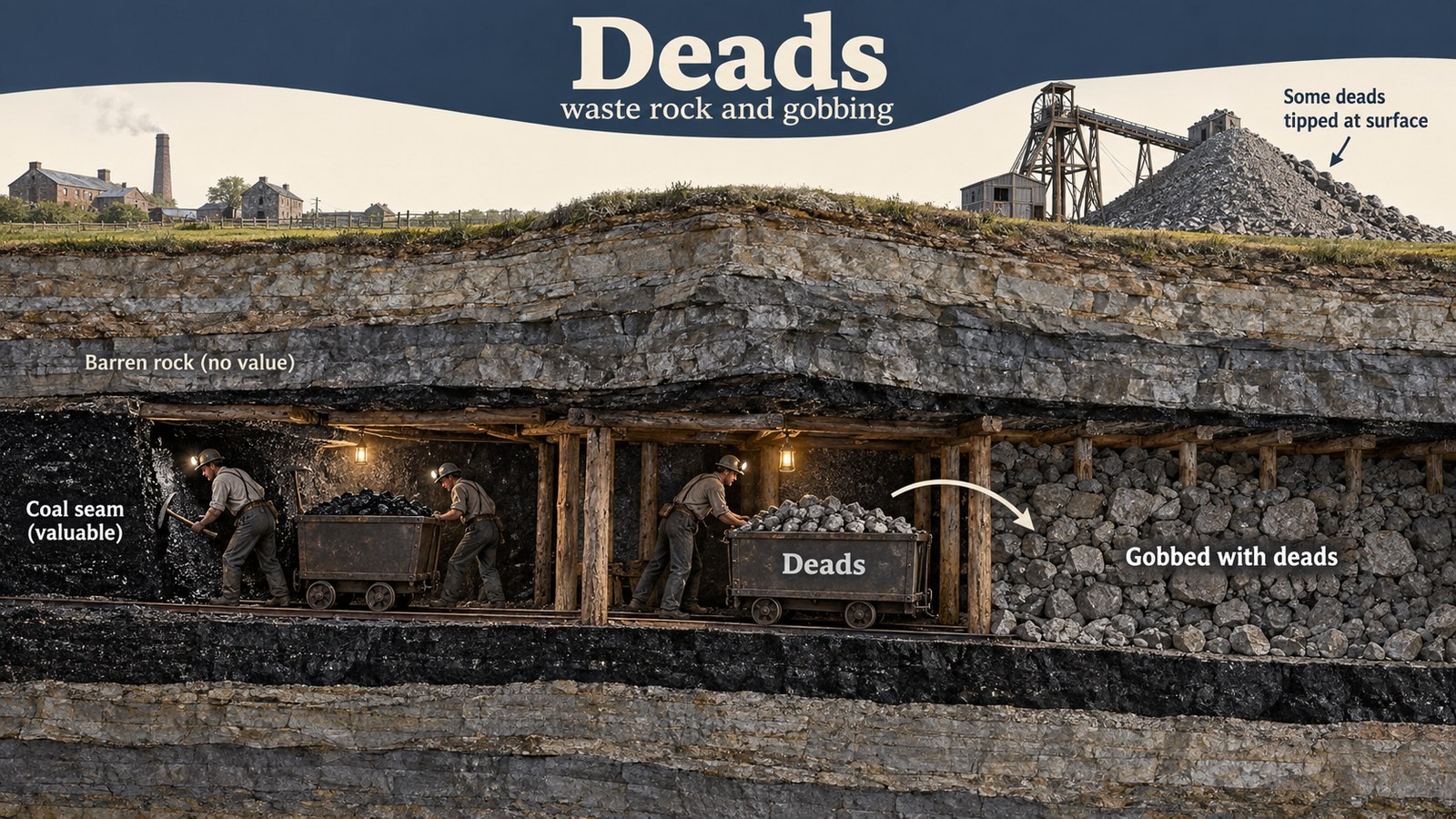
The barren waste rock produced alongside ore or coal as a working advanced — stone, shale or spoil with no mineral value, as distinct from the material actually being mined.
Historical usage
Every working, whatever it was mining, generated deads alongside its saleable product, and dealing with the resulting waste was a constant, everyday part of running a mine — a coal seam brought up shale and dirt with it, a metal lode brought up barren country rock alongside the ore-bearing vein. The Cornish Mining World Heritage Site's own glossary treats the two words as one entry, defining attle as the waste rock produced through the mining process, also known as deads.
How it worked
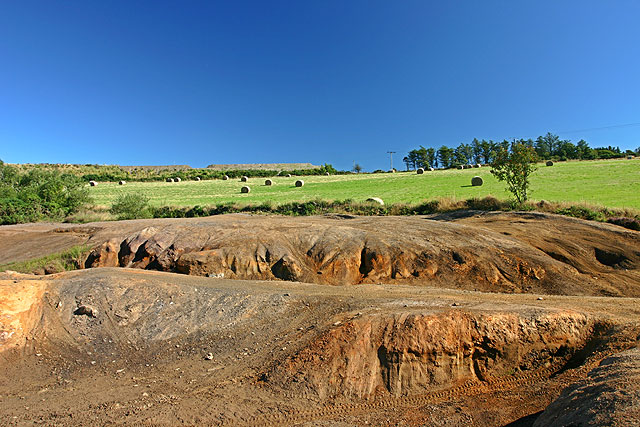
Rather than always hauling deads all the way to the surface, miners often packed it back into worked-out sections of the mine itself — a practice also called stowing or 'gobbing up' — using it to fill void space and help support the roof of exhausted workings. What deads did reach the surface was tipped nearby, building up the spoil heaps and waste tips that still mark old mine sites today.
Why it was used
Packing deads back underground rather than hauling it all to the surface saved on winding costs and put the waste rock to some practical use, providing rough support for the roof over worked-out ground rather than leaving voids to collapse uncontrolled.
Risks & limitations
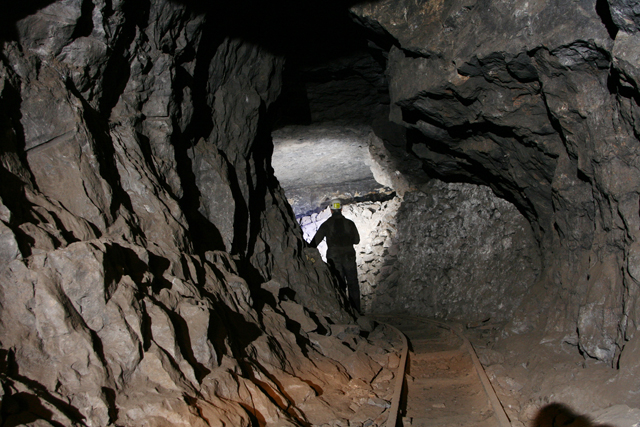
Deads stacked underground, often on ageing timber platforms in long-abandoned workings, can become dangerously unstable over time — a hazard for anyone who later enters old workings — while deads tipped at surface left the waste heaps and tips that remain the most visible legacy of many closed mines. That practice has outlived the industry: deads left resting on rotten staging is the reason old Dales lead levels are dangerous to enter, quite apart from any weakness in the rock itself.
Regional variation
Terminology for the same basic waste material varies by coalfield and period — 'dirt', 'muck', 'redd', 'rubbish' and 'steriles' were all used for the general run of waste rock, while a surface spoil heap itself went by 'tip', 'pit heap' or, in Scotland, 'bing'. In the Yorkshire Dales lead mines the deads were often not removed at all. Miners worked upward into the vein from the level, standing on timber platforms, and rather than haul the waste out they simply stacked it on those platforms as they went. Large quantities were left that way, and they are the principal hazard to anyone entering those workings now that the timber beneath them has rotted.
Related terminology
Mines associated with this term
5 examples chosen from 8 linked records — the term page is not an index.
- Carrs Mine — Cumbria (well documented example)
Named twice in this record, first in the history: “…superb dry-stone arching, corbelled and walled from the mine's own deads. The company worked Carrs East principally between 1848 and 1881,…” - Grebe Swallet Mine — Somerset (well documented example)
Named in this record’s history: “…-- containing stalactites, mined shafts, heaps of waste rock ('deads') and other mining relics, extending underground towards the…” - Bondog Hole Mine — Derbyshire (well documented example)
Named in this record’s current condition: “…track, the remains of small tubs and iron pins holding back walls of deads.” - Glenchass Mine — Isle of Man (well documented example)
Named in this record’s surface remains: “Twin chimneys and deads heaps, around grid reference SC 200 670.” - Hartside Mine — Cumbria (well documented example)
Before the mid-eighteenth century barytes went over the tips with the calcite and quartz as waste.
Sources
- (secondary) A Cornish mining glossary — Cornish Mining World Heritage Site (UNESCO)
- (secondary) Glossary of mining terms (D) — North Staffordshire Mining Group
- (secondary) Mine Waste Rock — ScienceDirect
- (secondary) Mining Methods: Levels, Stopes, Deads and Spoil — Lead Mining in the Yorkshire Dales — MyLearning / Yorkshire Dales
Record created: 20 August 2026 · Last researched: 9 September 2026