 MineArchive
Tynedale Colliery
| Location | Acomb, near Hexham, Northumberland — 54.9918, -2.0920 (approximate) |
|---|---|
| Commodity | Coal |
| Type | Coal |
| Worked | Sunk 1900–1924 (seam plans abandoned 1926) |
| Maximum depth | The shaft reached the Little Limestone Seam at 169 ft 7 in (about 52 m), from a surface about 376 feet above sea level. |
| Operators | William Wood & Sons (1900–?), Tynedale Coal Co. Ltd (?–1919), Acomb Coal Co. Ltd (1919–1924) |
Overview
Tynedale Colliery was a small shaft mine near Acomb, just north of Hexham, sunk in 1900 to the Little Limestone coal at about 170 feet. Owned in turn by William Wood & Sons, the Tynedale Coal Co. and the Acomb Coal Co., it employed up to 75 men before a steep decline after the First World War, and was abandoned in 1924.
History
The shaft was sunk in 1900 on the lane between St John Lee church and Salmonswell, by William Wood & Sons, to work the limestone coal. The North East Heritage Library notes it had no rail connection and depended on road transport, and that it was troubled from the start: in 1903, after a dispute over wages and conditions, the local men were given notice and 27 miners were brought from North Wales, who at first also refused to go down in solidarity. The Welsh stayed, and Thomas Hughes from North Wales managed the colliery for 17 years until his death in 1924. The workforce was 58 in 1902, 67 in 1905 and 75 in 1910. On 7 May 1906 the engineman Robert Armstrong Walton, aged 28, was killed in an explosion while alone in the pit and was buried at Ryal; the Heritage Library suggests the oil-driven pumping engine as the likely cause. By 1910 the colliery belonged to the Tynedale Coal Co. Ltd, and in 1915 George Oliver, who had played football for Acomb United and Hexham Athletic, was killed by a fall of stone. The Acomb Coal Co. Ltd was registered on 14 March 1919 to acquire the Tynedale company's collieries at Acomb for £10,000 in shares, with D. Blain as Tynedale's manager in 1921. By then only 16 men worked there, and the colliery was abandoned in 1924; the plans of the Acomb seam were recorded as abandoned in 1926.
Geology
The 1900 shaft section passed through clays, plate (shale) and post (sandstone) to the Little Limestone at 135 ft 8 in, 16 feet thick, and reached the Little Limestone Seam coal at 169 ft 7 in, a 5 ft 11 in section of coal with thin bands. The Lists of Mines call it the Limestone Coal and, from 1910, the Acomb Seam.
Geological setting: Sedimentary Beds and Seams (well documented example)
Workings
A single shaft sunk in 1900, winding household coal; the colliery had no railway siding, according to the North East Heritage Library, and its coal left by road.
Closure
Employment fell from 67 in 1915 to 16 in 1921, and the colliery was abandoned in 1924 with no one employed; the abandonment of the Acomb seam was recorded in 1926. No specific reason is given in the sources read beyond the lack of a rail connection limiting its growth.
What remains
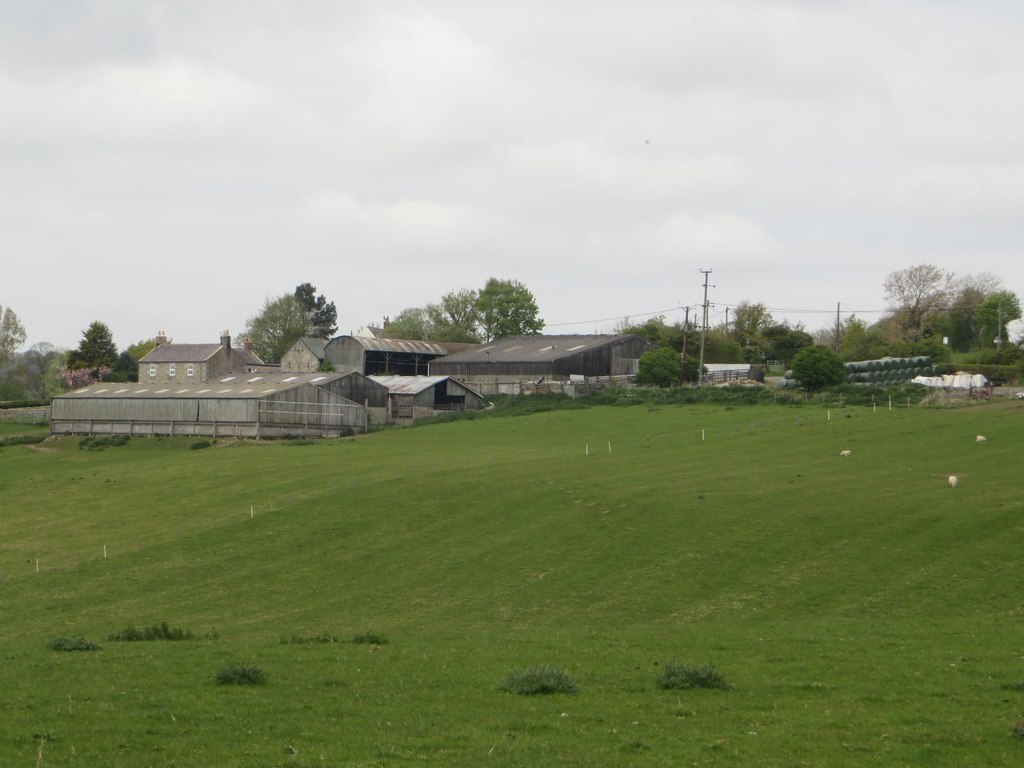
The North East Heritage Library (2024) says the site can still be picked out as a rectangular boundary beside the old path, and that no photographs of the working are known.
A rectangular boundary marking the site; no buildings are recorded.
Related mines
- Acomb Colliery — Owned in turn by the same companies, the Tynedale Coal Co. Ltd and the Acomb Coal Co. Ltd.
Nearby mines
- Acomb Colliery — 1.3 km W
- Fallowfield Mine — 1.5 km N
- Brunton Bank Quarry — 3.8 km N
- Settlingstones Mine — 8.0 km W
- Stonecroft and Greyside Mine — 9.2 km W
Straight-line distance, within 15 km. Show on the map.
Recorded claims
Individual factual claims, each attached to the source(s) that support it below. Where sources disagree, both are kept.
- The shaft was sunk in 1900 and reached the Little Limestone Seam at 169 ft 7 in. 1,2,3
- In 1903, after a dispute, 27 miners were brought from North Wales; they initially refused to work in solidarity, then stayed. 3
- Engineman Robert Armstrong Walton, 28, was killed in an explosion on 7 May 1906 while alone in the pit. 1,3
- George Oliver was killed by a fall of stone in 1915. 1,3
- Employment was 58 in 1902, 75 in 1910, 67 in 1915 and 16 in 1921. 1,3
- The Acomb Coal Co. Ltd was registered on 14 March 1919 to acquire the Tynedale Coal Co.'s collieries at Acomb. 4
- Tynedale Colliery had no rail connection and relied on road transport. (disputed) 3
- The Acomb Coal Co.'s 1919 registration notes describe its collieries as connected with the L. & N.E. Railway. (disputed) 4
- The colliery was abandoned in 1924; the Acomb seam plans record abandonment in 1926. 1,3
Photographs & further reading
Local account of the 1903 dispute, the Welsh miners, the two fatalities and the site today.
View sourceOwners, employment, seams and named deaths, with a link to the 1900 shaft section.
View sourceSources
- (secondary) Durham Mining Museum - Tynedale Colliery — Durham Mining Museum
- (secondary) Durham Mining Museum - Tynedale Colliery shaft details — Durham Mining Museum (from NEIMME, Account of the Strata, supplement 1910)
- (secondary) Tynedale Colliery — North East Heritage Library
- (secondary) Durham Mining Museum - Acomb Coal Co., Ltd. — Durham Mining Museum
Record created: 12 September 2026 · Last researched: 13 September 2026