 MineArchive
Monk Bretton Colliery
| Location | Monk Bretton, north-east of Barnsley, South Yorkshire — 53.5686, -1.4383 (approximate) |
|---|---|
| Commodity | Coal |
| Type | Coal |
| Worked | 1870–1968 |
| Maximum depth | Unknown. |
| Operators | Monk Bretton Colliery Co., Ltd. (?–1932), Barrow Barnsley Main Collieries Ltd (1932–1947), National Coal Board (1947–1968) |
Overview
A Barnsley Seam colliery two miles north-east of Barnsley, opened in 1870 and worked for almost a century; it employed well over a thousand men at its Victorian peak, was merged into Barrow Barnsley Main Collieries in 1932, and closed in 1968, leaving its post-war pithead baths standing.
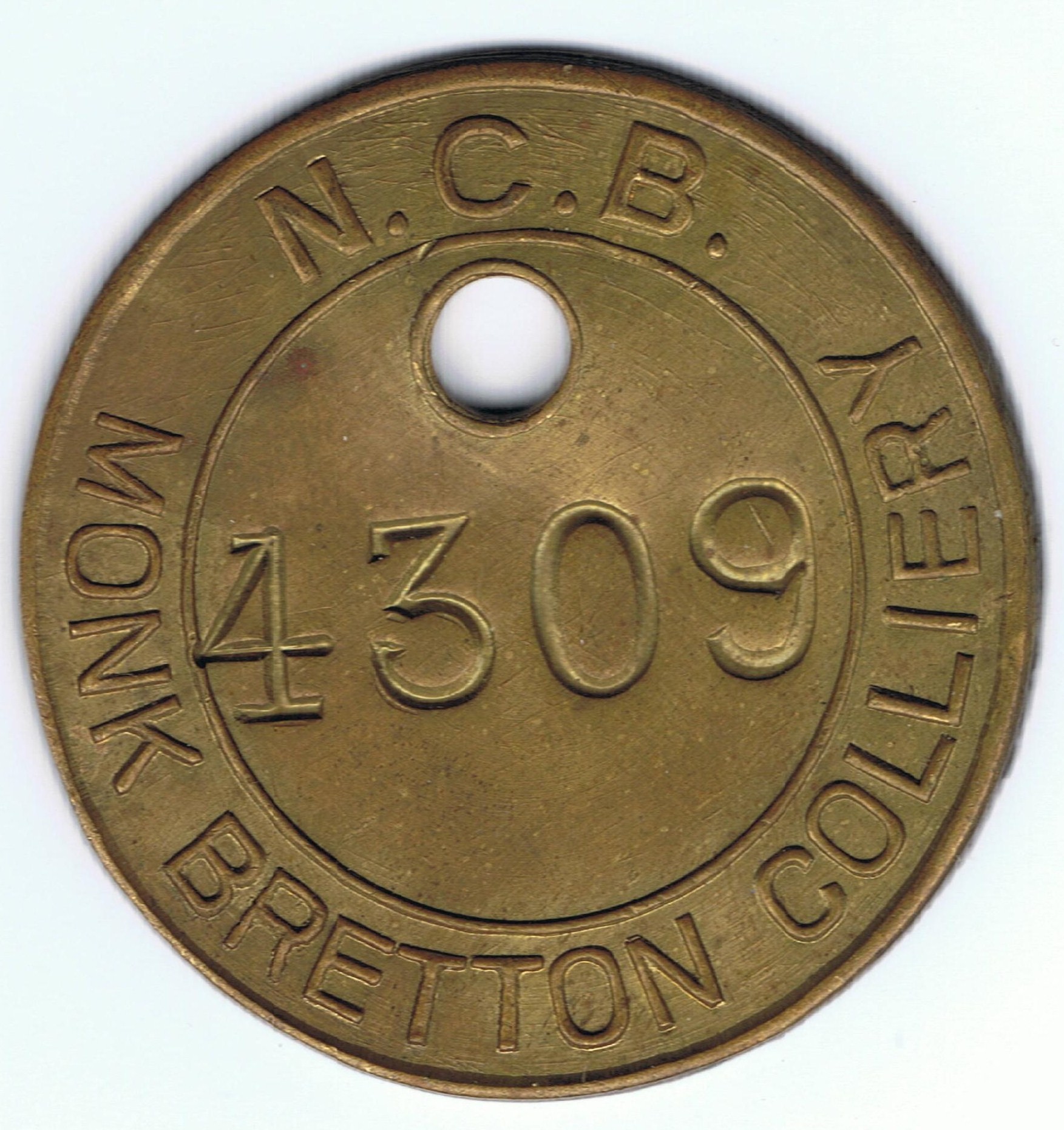
History
Monk Bretton Colliery was sunk at the end of the 1860s on the north-eastern edge of Barnsley; sinkers were killed in the shaft in 1868 and 1870, and the colliery opened in 1870 to work the Barnsley Seam. Owned by the Monk Bretton Colliery Company, with J. Marshall as manager in the 1890s, it employed 1,365 men in 1894 and 1,483 in 1910, raising coking, gas, household and steam coal. The workforce fell sharply after the First World War, to 798 in 1923 and only 170 in 1933. In 1932 the Barrow Haematite Steel Company merged with the Barnsley Main and Monk Bretton colliery companies to form Barrow Barnsley Main Collieries Limited, and the pit passed to the National Coal Board in 1947, when it again employed 1,165 and raised 367,000 tons. The Board modernised it and built pithead baths, and by 1954 it was working the Beamshaw, Kent Thick, Meltonfield and Winter seams with 1,206 men. It closed in 1968. The village's Miners' Welfare Hall stood in Cross Street, and a miners' welfare grant of 1925 bought the farmland that is now Monk Bretton's park; the cricket umpire Dickie Bird is said to have worked at the colliery as a youth.
Geology
Coal Measures of the Barnsley district: the Barnsley Seam was the colliery's mainstay, and by 1954 it worked the Beamshaw, Kent Thick, Meltonfield and Winter seams.
Workings
A shaft colliery opened in 1870 on the Barnsley Seam, with engine planes and pony haulage recorded in the accident list; the seams worked moved to the Beamshaw, Kent Thick, Meltonfield and Winter by 1954.
Closure
Closed in 1968 under the National Coal Board.
What remains
The pithead baths built after nationalisation still stand; the colliery itself has gone. The Miners' Welfare park, bought with a 1925 grant, survives as Monk Bretton's public park.
The post-nationalisation pithead baths building.
Redevelopment
Unknown.
Related mines
- Barnsley Main Colliery — Both brought together in 1932 as Barrow Barnsley Main Collieries Limited.
Nearby mines
- Carlton Main Colliery — 1.6 km N
- Barnsley Main Colliery — 1.9 km SW
- Wharncliffe Woodmoor Colliery — 2.1 km NW
- Grimethorpe Colliery — 2.8 km SE
- Oaks Colliery — 2.8 km SW
Straight-line distance, within 15 km. Show on the map.
Recorded claims
Individual factual claims, each attached to the source(s) that support it below. Where sources disagree, both are kept.
- Monk Bretton Colliery opened in 1870, extracting coal from the Barnsley Seam; it was modernised on nationalisation and pithead baths, which still stand, were opened; it closed in 1968. 1
- Employment was 1,365 in 1894, 1,483 in 1910, 798 in 1923, 170 in 1933, 1,165 in 1947 (output 367,000 tons) and 1,206 in 1954. 2
- Owners were the Monk Bretton Co., Monk Bretton Colliery Co. Ltd, Oxcroft Colliery Co. Ltd and Barrow Barnsley Main Collieries Ltd before the NCB in 1947; J. Marshall was manager in the 1890s. 2,3
- In 1932 the Barrow Haematite Steel Company merged with the Barnsley Main and Monk Bretton colliery companies to form Barrow Barnsley Main Collieries Limited. 4
- In 1954 the colliery worked the Beamshaw, Kent Thick, Meltonfield and Winter seams. 2
- The BGS/Mining Remediation Authority mine-plans catalogue holds abandonment plans under the name Monk Bretton. 5
Photographs & further reading
Owners, employment, seams and a partial list of the men killed at the colliery.
View sourceSources
- (secondary) Monk Bretton — Wikipedia
- (secondary) Durham Mining Museum - Monk Bretton Colliery — Durham Mining Museum
- (secondary) Durham Mining Museum - Monk Bretton Colliery Co., Ltd. — Durham Mining Museum
- (secondary) Barrow Colliery — Wikipedia
- (primary) BGS mine plans: Monk Bretton — British Geological Survey / Mining Remediation Authority
Record created: 21 September 2026 · Last researched: 21 September 2026