 MineArchive
Ladyha Colliery
| Also known as | Lady Ha' Colliery, Ladyha No. 2 Pit |
|---|---|
| Location | Ladyha' Park, Eglinton estate, Kilwinning, North Ayrshire — 55.6463, -4.6784 (exact) |
| Commodity | Coal |
| Type | Coal |
| Worked | 1885 (No. 2 Pit sinking)–1934 |
| Maximum depth | 568 ft (173 m), No. 2 Pit |
| Operators | William Baird & Company (?–1934) |
Overview
William Baird and Company's colliery in Ladyha' Park on the Eglinton estate, Kilwinning: No. 2 Pit, sunk in 1885 to 568 feet, was served by a railway tunnel built to keep the wagons out of the Earl's sight, and closed in 1934.
History
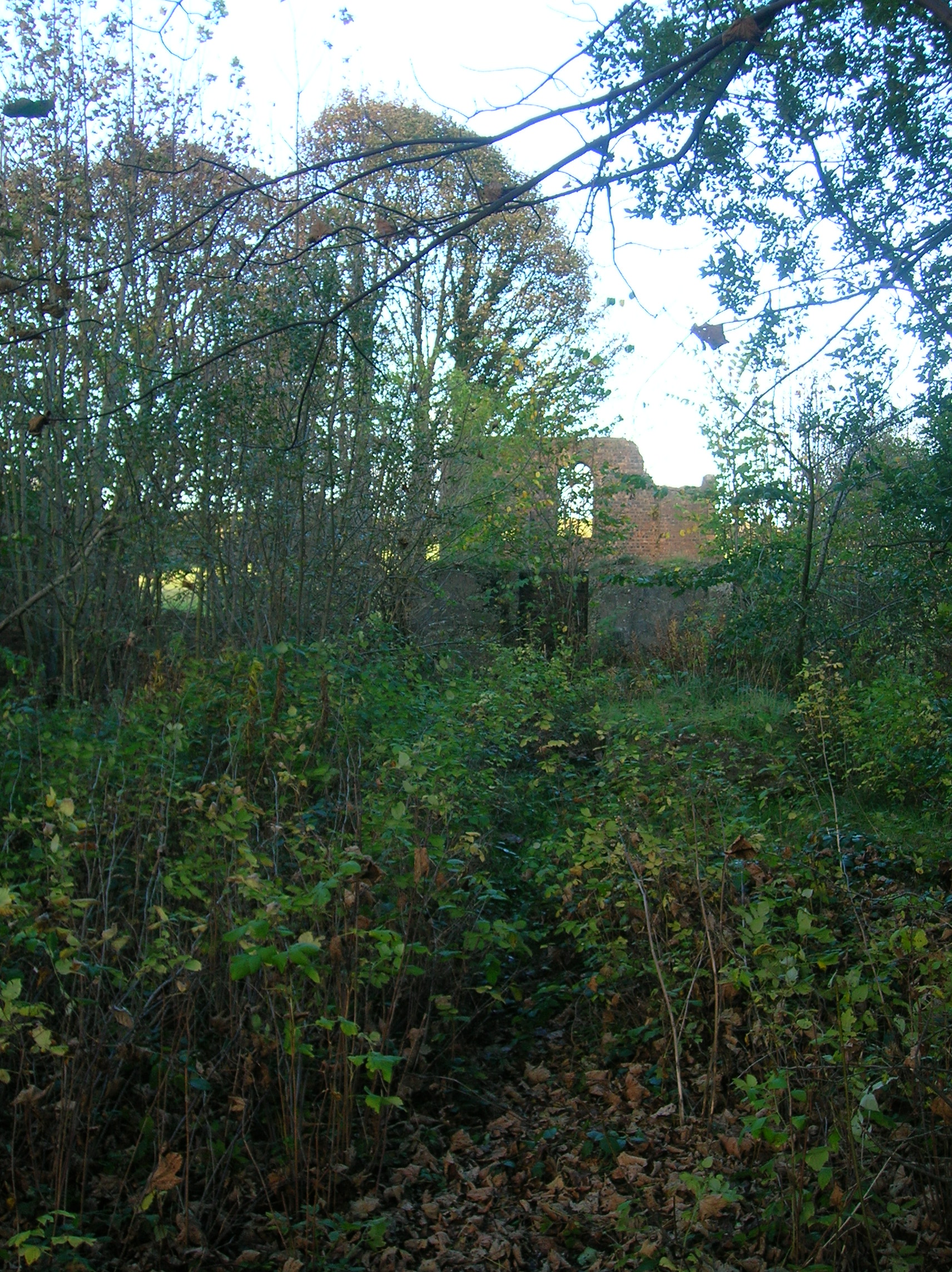
Ladyha Colliery lay in a strip of woodland in Ladyha' Park, north-west of Eglinton Castle, near Kilwinning, and took its name from the Lady Ha' coal, one of nine seams that underlie the parish. Coal had been worked in the Ladyha' area of the Eglinton estate long before: abandonment plans of Eglinton pits in the Stone, Main and Ladyha seams date from 1841, and of others from 1847, 1848 and 1858. Ladyha No. 1 Pit stood by the Bannoch Road, and No. 2 Pit, at Lady Ha', was sunk in 1885 to a depth of 568 feet (173 metres).
The colliery was owned by William Baird and Company. A brick-lined tunnel carried a standard-gauge branch line to it out of the Earl's sight, keeping the smoke from the kitchen gardens' greenhouses. The pit raised gas, manufacturing and steam coal, with some fireclay and ironstone, from the Ell, Ladyha', Main, Stone and Upper and Lower Wee seams, and employed between about 100 and 160 men from 1894 to 1923 and 200 in 1933. Its main customer, the Eglinton Iron Company, closed in 1928, and the colliery struggled on until it closed in May 1934; abandonment plans of its seams are dated that year. The surface buildings included downcast and upcast shafts with winding engine houses, workshops, a boiler house and chimney, screens, a fan house and a wagon traverser. The ruins were razed in 2011, having been judged dangerous; the tunnel, used in the Second World War as a bomb shelter and furniture store, survives in Eglinton Country Park.
Geology
Ayrshire coalfield: the Ell, Ladyha', Main, Stone and Upper and Lower Wee seams.
Workings
No. 1 Pit by the Bannoch Road and No. 2 Pit at Lady Ha', with downcast and upcast shafts, winding engine houses, screens, fan house, wagon traverser and an underground band haulage; a brick-lined railway tunnel served the pit.
Closure
Closed in May 1934, its main customer the Eglinton Iron Company having closed in 1928.
What remains
The colliery ruins were razed in 2011; the brick-lined railway tunnel survives in Eglinton Country Park.
The railway tunnel that served the colliery.
Redevelopment
Part of Eglinton Country Park.
Related mines
- Doura Colliery — Neighbouring Eglinton estate workings; the 1841 plan covers Eglinton, Ladyha and Doura.
- Fergushill Colliery — Neighbouring pits of the Eglinton estate's Kilwinning coalfield.
Nearby mines
- Fergushill Colliery — 1.1 miles (1.8 km) NE
- Bartonholm Colliery — 1.2 miles (1.9 km) SW
- Doura Colliery — 2.2 miles (3.6 km) NE
- Warrix Colliery — 2.9 miles (4.6 km) S
- Montgomeryfield Colliery — 3.6 miles (5.8 km) SE
Straight-line distance, within 9 miles (15 km). Show on the map.
Recorded claims
Individual factual claims, each attached to the source(s) that support it below. Where sources disagree, both are kept.
- Ladyha No. 2 Pit was sunk in 1885 to a depth of 568 feet. 1
- Closed in May 1934, having struggled since its main customer, the Eglinton Iron Company, closed in 1928. 1,2
- Owned by William Baird and Company, employing 114 men in 1894 and 200 in 1933 in the Ell, Ladyha', Main and Stone seams. 3
- A brick-lined tunnel carried a standard-gauge railway to the colliery out of the Earl's sight; it survives. 1
- Eglinton workings in the Stone, Main and Ladyha seams were abandoned in 1841. 4
- The colliery ruins were razed in 2011. 1
Sources
- (secondary) Industry and the Eglinton Castle estate — Wikipedia
- (primary) BGS mine plan: Ladyha, Ladyha' seam (abandoned 1934) — British Geological Survey / Mining Remediation Authority
- (primary) Ladyha Colliery — Durham Mining Museum
- (primary) BGS mine plan: Eglinton, Ladyha, Doura, Stone, Main and Ladyha seams (abandoned 1841) — British Geological Survey / Mining Remediation Authority
Record created: 17 October 2026 · Last researched: 17 October 2026