 MineArchive
Easton Colliery
| Also known as | Upper Easton Colliery, Brickyard Pit |
|---|---|
| Location | Between Stapleton Road and Easton Road, Bristol — 51.4640, -2.5680 (approximate) |
| Commodity | Coal |
| Type | Coal |
| Worked | c. 1830–1911 |
| Maximum depth | Unknown. |
| Operators | Bedminster, Easton, Kingswood and Parkfield Collieries Ltd (1900–1911) |
Overview
A colliery of the Bristol coalfield in the parish of SS Philip and Jacob, between Stapleton Road and Easton Road, also known as Upper Easton Colliery or the Brickyard Pit. It opened around 1830 and reached its peak in the 1870s. An explosion killed eight colliers in 1886. In 1900 it became part of Bedminster, Easton, Kingswood and Parkfield Collieries Ltd, and in 1911 a citywide miners’ strike over job losses and falling pay ran three months; when it ended the proprietors closed the pit for good, putting hundreds out of work.
History
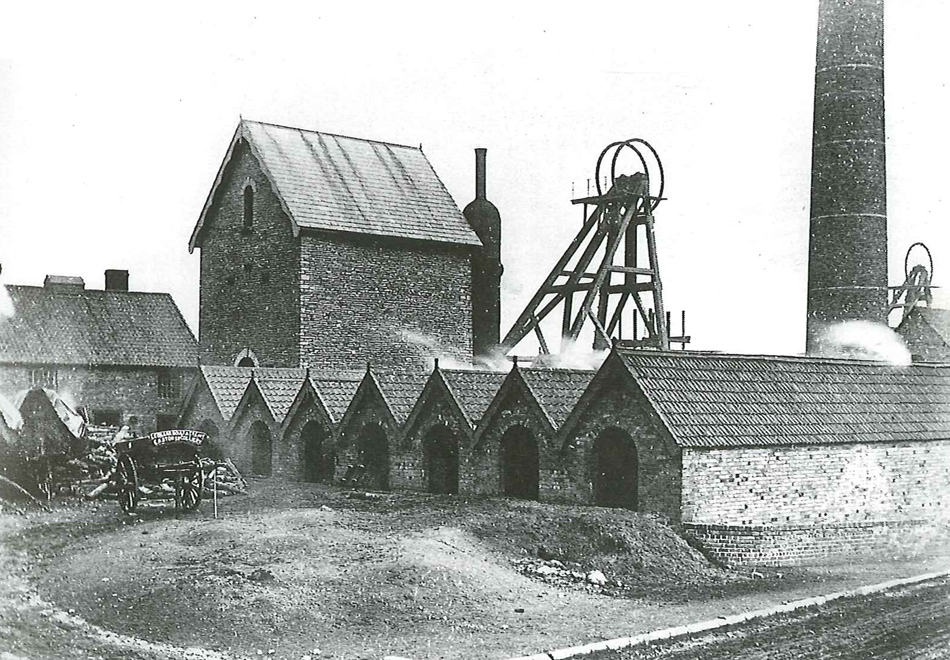
Easton Colliery — also known as Upper Easton Colliery or the Brickyard Pit — stood between Stapleton Road and Easton Road in the parish of SS Philip and Jacob, inside what is now the city of Bristol. It opened around 1830 and its peak of production came in the 1870s. On 19 February 1886 an explosion there killed eight colliers (see Disasters, below). In 1900 the colliery became part of Bedminster, Easton, Kingswood and Parkfield Collieries Ltd, a combine that brought together the Easton, Hanham, Pennywell Road and Whitehall, Deep Pit, Speedwell, Parkfield and South Pit collieries under one company. In 1911 miners across the city struck over job losses and falling pay, a dispute affecting 2,000 workers. It lasted three months. When it ended, the proprietors of the Easton pit decided to shut up shop: the owners closed the colliery, putting hundreds out of work, and it was never worked again. The abandonment plan for Easton, Whitehall and Pennywell, covering ten seams from the Top to the Little Vein, is held by the Mining Remediation Authority.
Geology
The Bristol coalfield, a small and structurally complicated field on the northern edge of the Somerset coal basin, worked in a ring of pits around what was then the edge of the city and is now well inside it. Nothing is recorded of the individual seams worked at Easton.
Workings
Nothing is recorded of the underground workings. The colliery was one of eight brought under Bedminster, Easton, Kingswood and Parkfield Collieries Ltd in 1900, alongside Hanham, Pennywell Road and Whitehall, Deep Pit, Speedwell, Parkfield and South Pit.
Closure
The colliery was closed by its proprietors in 1911 at the end of a three-month citywide miners’ strike over job losses and falling pay, putting hundreds out of work. It was never worked again, and was abandoned that year.
What remains
The colliery has been demolished. Its site off St Gabriel’s Road now holds the Easton Business Centre, and a plaque marks what stood there.
None; a plaque marks the site.
Related mines
- Hanham Colliery — Hanham was among the eight collieries brought under Bedminster, Easton, Kingswood and Parkfield Collieries Ltd in 1900 alongside Easton.
- Parkfield Colliery — Both were brought into Bedminster, Easton, Kingswood and Parkfield Collieries Ltd in 1900 — the company took its name in part from Parkfield — and were worked under one ownership thereafter.
- Riddochhill Colliery — Every unit of Riddochhill's electricity was supplied from Easton Colliery, which the National Coal Board's report of July 1948 records as the source for the whole site.
- Speedwell Colliery — Both were brought into Bedminster, Easton, Kingswood and Parkfield Collieries Ltd when the Bristol combine was formed in 1900, and were worked under that single ownership until Easton closed in 1911.
Nearby mines
- Speedwell Colliery — 1.6 miles (2.6 km) E
- Dean Lane Colliery — 2.0 miles (3.2 km) SW
- Hanham Colliery — 2.3 miles (3.7 km) SE
- South Liberty Colliery — 3.5 miles (5.6 km) SW
- Siston Hill Colliery — 3.9 miles (6.2 km) E, South Gloucestershire
Straight-line distance, within 9 miles (15 km). Show on the map.
Disasters & major incidents
-
Easton Colliery explosion, 1886
19 February 1886 · Explosion · 8 fatalities
Early on 19 February 1886, soon after the fireman had examined the Fiery or Smith's Coal Vein at Easton Colliery with a Davy lamp and reported it clear, the men went down and gas exploded near the crosscut. The damage was slight, a door blown out and some brickwork moved, but eight colliers died, three of them days later. The Inspector suspected a sudden outburst of gas from the strata or old workings, and recommended locked lamps.
Recorded claims
Individual factual claims, each attached to the source(s) that support it below. Where sources disagree, both are kept.
- The coalworks at Easton lay between Stapleton Road and Easton Road in the parish of SS Philip and Jacob, and were known as Easton Colliery, Upper Easton Colliery or the Brickyard Pit. 1
- The colliery opened around 1830, reached its peak of production in the 1870s and was abandoned in 1911. 1
- In 1900 the colliery became part of Bedminster, Easton, Kingswood and Parkfield Collieries Ltd, which comprised the Easton, Hanham, Pennywell Road and Whitehall, Deep Pit, Speedwell, Parkfield and South Pit collieries. 2,1
- Miners across the city struck in 1911 over job losses and falling pay, a dispute affecting 2,000 workers; when it ended after three months the proprietors of the Easton pit closed the colliery, putting hundreds out of work, and it was never worked again. 1
- The Mining Remediation Authority holds abandonment plan SWR3422 for Easton, Whitehall and Pennywell, covering the Top, Under, Doxall, Toad, Fiery, Gays, Hole, Red Ash, Great Vein and Little Vein seams. 3
Photographs & further reading
The colliery’s names, dates and the 1886 explosion, with the strike that ended it in 1911.
View sourceThe 1900 Bristol combine and the eight collieries it brought together.
View sourceSources
- (secondary) Easton Colliery — Grace's Guide to British Industrial History
- (secondary) Bedminster, Easton, Kingswood and Parkfield Collieries — Grace's Guide
- (primary) EASTON & WHITEHALL/ EASTON, WHITEHALL /PENNYWELL (Mine Remediation Authority abandonment plan SWR3422, BGS mine plans catalogue) — British Geological Survey / Mining Remediation Authority
Record created: 7 September 2026 · Last researched: 24 September 2026