 MineArchive
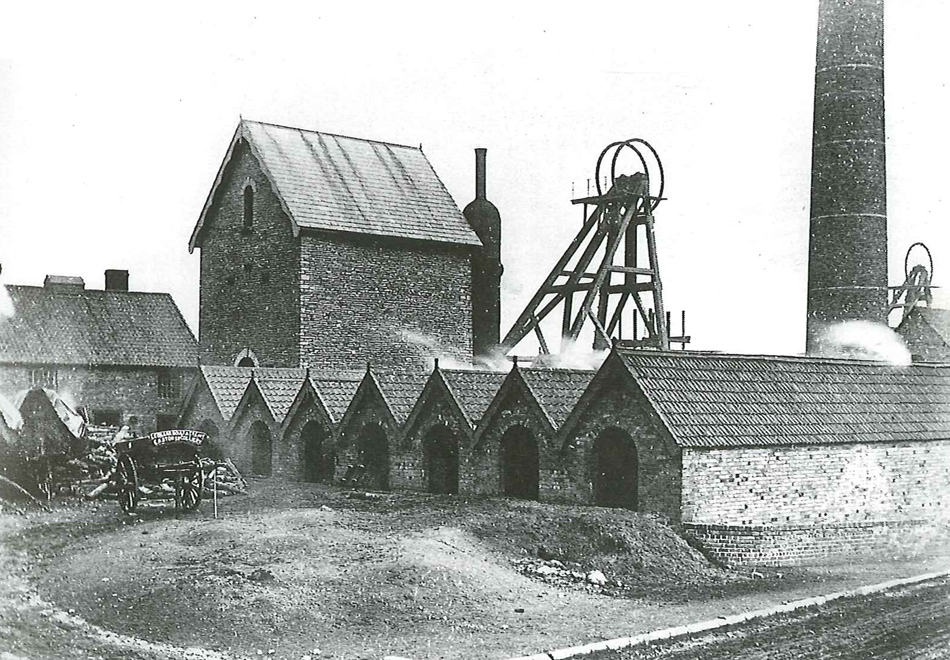
Easton Colliery explosion, 1886
| Date | 19 February 1886 |
|---|---|
| Mine | Easton Colliery |
| Region | Bristol |
| Type | Explosion |
| Fatalities | 8 (George Bennett, 45, hewer; William Clarke, 33, hewer; Samuel Long, 40, hewer; Robert Smith, 32, hewer; Isaac Rawlings, 29, trammer; Charles Bryant, 21, trammer, died on the 22nd; Henry Bennett, 32, trammer, died on the 22nd; Henry Gay, 34, trammer, died on the 25th.) |
| Context | During active mining (The start of the morning shift at Leonard Boult and Company's Easton Colliery in east Bristol, in a seam worked with naked lights.) |
Early on 19 February 1886, soon after the fireman had examined the Fiery or Smith's Coal Vein at Easton Colliery with a Davy lamp and reported it clear, the men went down and gas exploded near the crosscut. The damage was slight, a door blown out and some brickwork moved, but eight colliers died, three of them days later. The Inspector suspected a sudden outburst of gas from the strata or old workings, and recommended locked lamps.
Cause
An explosion of firedamp on the dip road near the crosscut, thought by the Inspector to come from a sudden outburst of gas from the surrounding strata or old workings, in a seam worked with naked lights.
Contributing factors
The seam was reckoned relatively free from gas and the colliers worked with naked lights. The fan was running normally and no shots had been fired.
What happened
The seam was reached by an incline from the downcast shaft, with a level driven west to east and a road down to the deep known as the crosscut. Only a few men worked it. The fireman's examination between five and six found no gas; shortly after the men began to descend the explosion took place. The Inspectors placed its seat on the dip road near the crosscut from the way the door was blown and the charring and coking of the coal dust.
Investigation & inquiry
H.M. Inspector Thomas Cadman and his assistant Mr Bain examined the pit and found nothing to show the ventilation had been disturbed. The inquest jury returned accidental death.
Changes to practice & legislation
The Inspectors recommended the mine be worked with locked safety lamps and the management agreed; Cadman wrote that considerable difficulty was found getting the colliers to use them, and those who did were mainly men from the Welsh coalfield or the fiery pits of Somerset.
Recorded claims
Individual factual claims, each attached to the source(s) that support it below. Where sources disagree, both are kept.
- An explosion at the colliery in 1886 killed eight colliers. 1
- On 19 February 1886 an explosion in the Fiery or Smith's Coal Vein at Leonard Boult and Company's Easton Colliery killed eight: five at the time and three who died of injuries on the 22nd and 25th. 2
- The BBC describes the eight as men aged between 22 and 45; the Coal Mining History Resource Centre list gives Charles Bryant as 21. (disputed) 2,3
- The Inspectors recommended locked safety lamps and the management agreed, but Thomas Cadman reported considerable difficulty getting the colliers to use them. 2
Related terminology
Mining terms this disaster is structurally linked to, with the nature of the relationship.
- Crosscut (contextual relationship)
The seat was near the crosscut. - Firedamp (direct cause)
Gas exploded near the crosscut. - Hewer (contextual relationship)
Four of the dead were hewers. - Naked Light (contributing factor)
The colliers worked with naked lights. - Outburst (direct cause)
The Inspector suspected a sudden outburst of gas. - Safety Lamp (contextual relationship)
Locked lamps were recommended afterwards.
Sources
- (secondary) Easton Colliery — Grace's Guide to British Industrial History
- (secondary) Mining Disasters in Great Britain, 1886-88: Hill Close [Mill Close] Lead Mine, Darley Dale, Derbyshire, 3rd November 1887 — Coalmining History Resource Centre
- (secondary) Statue commemorates miners who died in explosion (BBC News, via Yahoo News) — BBC News
Record created: 8 September 2026 · Last researched: 13 September 2026