 MineArchive
East Holywell Colliery
| Also known as | Fenwick Pit, Fenwick Colliery |
|---|---|
| Location | East Holywell, near Earsdon, Tyne and Wear — 55.0506, -1.5117 (approximate) |
| Commodity | Coal |
| Type | Coal |
| Worked | 1828 or 1872–1973 |
| Maximum depth | About 569 feet |
| Operators | Hugh Taylor and Company, East Holywell Coal Company Ltd |
Overview
An Earsdon-parish colliery whose Fenwick Pit, sunk from 1873, kept it working until 1973; it employed 1,235 people in 1923, had a pit village of four terraces and left a spoil heap reclaimed in 2013.
History
East Holywell Colliery lay in Earsdon parish, 7 miles north-north-east of Newcastle. The Durham Mining Museum lists the D Pit, with sinking from 5 October 1872, and the Fenwick Pit, with sinking from 21 April 1873 and opening in 1874, and gives the owners as Plummer, Taylors, Clark & Lamb in the 1850s, Hugh Taylor & Co. in the 1860s and the East Holywell Coal Company Ltd in the 1880s. A photograph caption dates the colliery to 1828 with the Fenwick Pit sunk in 1874; explorers' reports say the pit opened in 1872 with one shaft, later the Old Shaft, sunk 569 feet to the Low Main, and that the Fenwick shaft was sunk 10 yards to the south two years later.
Employment was 746 in 1894, 924 in 1905, 1,123 in 1910, 1,129 in 1921, 1,235 in 1923 and 929 in 1930. It raised steam coal, with household coal from 1927, clay from 1923 and sandstone in 1923. The Bensham, Low Main and Main Coal seams were worked in 1905, with the Beaumont and Yard added by 1910 and the High Main by 1915. The Old Shaft closed in 1930 during disputes, leaving the Fenwick Pit as both upcast and downcast shaft, and the colliery closed in 1973 after the Main Coal, Top Busty, Bensham, Beaumont and Yard seams were worked out.
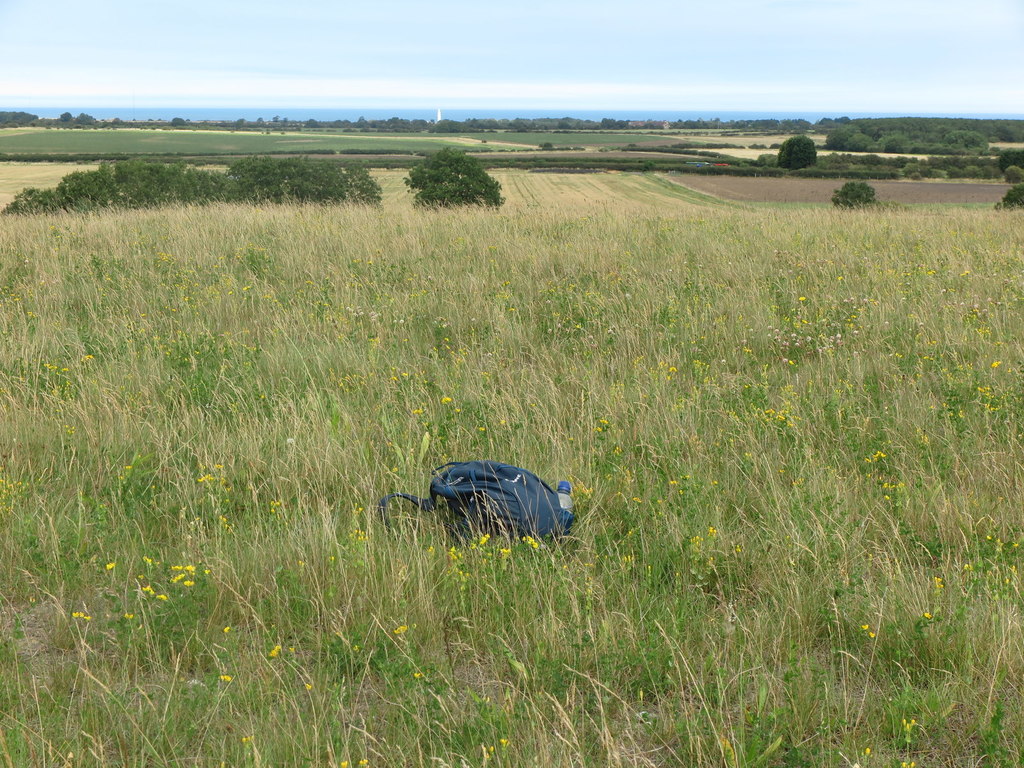
A mineral railway served the colliery and a pit village of four terraces was built beside it. A large spoil heap grew on the east side; the reclamation of the site and the heap was completed in 2013. The museum lists 65 names of those killed, among them the brothers Thomas and Andrew Alexander, aged 24 and 14, who drowned on 9 December 1842.
Geology
The Low Main was reached at 569 feet in the Old Shaft. The Main Coal, Top Busty, Bensham, Beaumont and Yard seams were worked out by 1973, and the High Main and Beamshaw are also returned.
Workings
The D Pit (the Old Shaft) and the Fenwick Pit, sunk 10 yards to the south; after the Old Shaft closed in 1930 the Fenwick served as upcast and downcast. A mineral railway carried the coal.
Closure
The colliery closed in 1973 after the Main Coal, Top Busty, Bensham, Beaumont and Yard seams were worked out.
What remains
The spoil heap has been reclaimed as grassland with views to the sea. In 2009 an explorer photographed a winding house, another building and the capped Old Shaft.
Redevelopment
Reclamation of the colliery site and its spoil heap was completed in 2013.
Nearby mines
- Earsdon Colliery — 0.6 miles (1.0 km) S
- Backworth Colliery — 0.8 miles (1.4 km) SW
- Seghill Colliery — 1.4 miles (2.2 km) NW, Northumberland
- Seaton Delaval Colliery — 2.2 miles (3.5 km) N, Northumberland
- Hartley Colliery (Hester Pit) — 2.2 miles (3.6 km) NE, Northumberland
Straight-line distance, within 9 miles (15 km). Show on the map.
What's uncertain
Points where sources disagree or the record could not be settled; both accounts are kept. All open questions in the archive.
- A photograph caption dates East Holywell Colliery to 1828, with the Fenwick Pit sunk in 1874. (disputed) 2
Recorded claims
Individual factual claims, each attached to the source(s) that support it below. Where sources disagree, both are kept.
- The D Pit was sunk from 5 October 1872 and the Fenwick Pit from 21 April 1873, opening in 1874. 1
- A photograph caption dates East Holywell Colliery to 1828, with the Fenwick Pit sunk in 1874. (disputed) 2
- Plummer, Taylors, Clark & Lamb owned the colliery in the 1850s, Hugh Taylor & Co. in the 1860s and the East Holywell Coal Company Ltd in the 1880s. 1
- The original shaft was sunk 569 feet to the Low Main seam and closed in 1930 during disputes, leaving the Fenwick Pit as both upcast and downcast shaft. 3,4
- Employment was 746 in 1894, 1,123 in 1910, 1,235 in 1923 and 929 in 1930. 1
- The colliery closed in 1973 after the Main Coal, Top Busty, Bensham, Beaumont and Yard seams were worked out. 1,2,3
- A mineral railway served the colliery and a pit village of four terraces was built. 2
- The reclamation of the colliery site, including the spoil heap, was completed in 2013. 2
Photographs & further reading
Photograph of the reclaimed spoil heap with a caption on the colliery's dates, railway and pit village.
View sourcePits with sinking dates, owners, output, employment 1894-1930, seams worked and 65 names of those killed.
View sourceExplorer's 2009 report with photographs of the winding house, an engine house and the capped Old Shaft.
View sourceSources
- (primary) Durham Mining Museum - East Holywell Colliery — Durham Mining Museum
- (observational) Former Spoil Heap, East Holywell Colliery (Fenwick Pit) (Geograph 6563024) — Geograph
- (observational) Fenwick Pit / East Holywell Colliery, Northumberland - August 2009 (Derelict Places) — Derelict Places
- (observational) Report - Fenwick Pit / East Holywell Colliery, Northumberland - August 2009 (28DaysLater) — 28DaysLater
Record created: 29 September 2026 · Last researched: 29 September 2026