 MineArchive
Blaydon Burn Colliery
| Location | Blaydon Burn valley, Blaydon, west of Gateshead, Tyne and Wear — 54.9558, -1.7408 (approximate) |
|---|---|
| Commodities | Coal, Fireclay |
| Type | Coal |
| Worked | 1850s–1956 |
| Maximum depth | Unknown. |
| Operators | Joseph Cowen & Co. (?–1900), Priestman Collieries Ltd (1900–1947), National Coal Board (1947–1956) |
Overview
The Cowen family's colliery in the steep Blaydon Burn valley west of Gateshead, opened in the 1850s beside their famous firebrick works; its Mary and Bessie pits employed over 1,400 at their peak and worked until 1956, and the valley is now a nature reserve full of industrial ruins.
History
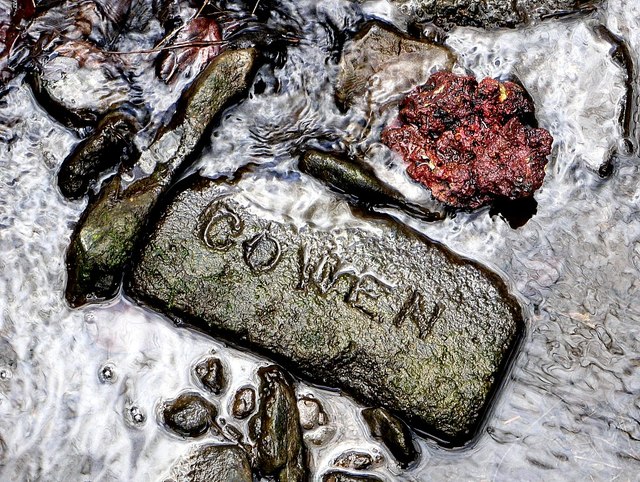
Joseph Cowen senior, born at Greenside in 1800, began making bricks at the Blaydon Burn High Yard in 1825, and the valley's clay and coal grew into one of Tyneside's best-known works, its firebricks stamped COWEN. The colliery was opened in the 1850s, when the Mary and Bessie pits began; there had also been Blaydon Main Colliery (the Milner Pit) and the Victoria Drift, and Cowen's Pit was sunk to the Brockwell seam in 1872. By the 1890s it produced about 100,000 tons a year, sent by rail for shipment at Tyne Dock, along with fireclay for the brickworks. Joseph Cowen junior died in 1900 and Priestman Collieries took over the Cowen works; the colliery employed 1,167 in 1910 and 1,439 in 1921, working the Barlow Field, Five Quarter, Three Quarter, Stone Coal and Brockwell seams. Coal from the Bessie drift on the valley side crossed the burn on an elevated platform to drops where it was loaded into waggons. Nationalised in 1947, the Mary pit closed in March 1953 and the Bessie in November 1956, ending the colliery.
Geology
Durham Coal Measures with abundant fireclay: the Barlow Field, Five Quarter, Three Quarter, Stone Coal and Brockwell seams, and the Hodge or Cannel seam at the Milner Pit.
Workings
The Mary and Bessie pits (the Bessie latterly a drift on the valley side), Cowen's Pit (1872), the Victoria Drift and the earlier Milner Pit; coal from the Bessie crossed the valley on an elevated platform to coal drops.
Closure
Mary pit closed 28 March 1953; Bessie closed 3 November 1956, closing the colliery.
What remains
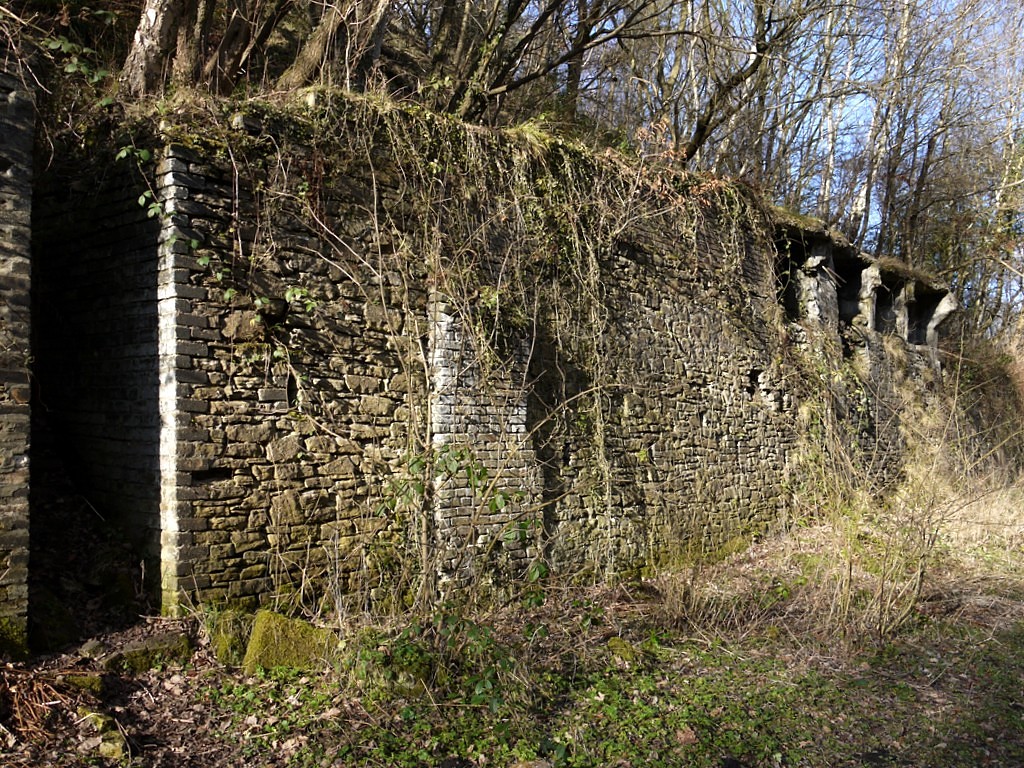
The valley is a nature reserve; the retaining wall and remains of the coal drops, the entrance of the Victoria Drift and other colliery buildings survive among woodland, and COWEN firebricks and slag lie in the burn.
Coal drops and retaining wall; the Victoria Drift entrance; brickworks ruins.
Redevelopment
Blaydon Burn Nature Reserve.
Nearby mines
- Throckley Colliery — 3.6 km N
- Wylam Colliery — 4.8 km NW, Northumberland
- Montagu Colliery — 5.2 km NE
- Byermoor Colliery — 5.6 km SE
- North Walbottle Colliery — 6.0 km N
Straight-line distance, within 15 km. Show on the map.
Recorded claims
Individual factual claims, each attached to the source(s) that support it below. Where sources disagree, both are kept.
- Opened 1850s, closed 3 November 1956; pits Bessie, Cowen's (1872), Mary (closed 28 March 1953) and Victoria Drift; owners Joseph Cowen (1850s), Joseph Cowen & Co. (1860s), Priestman Collieries Ltd (1900s), NCB 1947; coal and fireclay. 1
- Employment was 200 in 1894, 1,167 in 1910, 1,439 in 1921 and 507 in 1953. 1
- Joseph Cowen started making bricks at Blaydon Burn High Yard in 1825; the Mary and Bessie pits opened in the 1850s; Joseph Cowen died in 1900 and Priestmans Collieries took over the Cowen works; Mary pit closed 1953, Bessie 1956. 2
- By the 1890s the colliery produced about 100,000 tons a year, shipped at Tyne Dock; at its height in 1935, 1,178 people worked there. 3
Photographs & further reading
Dated history of the valley's mills, brickworks, collieries and the Cowen family.
View sourceSources
- (secondary) Durham Mining Museum - Blaydon Burn Colliery — Durham Mining Museum
- (secondary) Blaydon Burn Timeline - Winlaton & District Local History Society — Winlaton & District Local History Society
- (secondary) Blaydon Burn Colliery (1850s - 1956) — Co-Curate, Newcastle University
Record created: 21 September 2026 · Last researched: 21 September 2026