 MineArchive
Axwell Park Colliery
| Location | Swalwell, Gateshead, near Whickham Bank, Tyne and Wear — 54.9509, -1.6854 (approximate) |
|---|---|
| Commodities | Coal, Fireclay |
| Type | Coal |
| Worked | 1839–1954 |
| Maximum depth | About 42 fathoms (77 m) to the Five Quarter |
| Operators | Hannington and Co. (1889–1903), Priestman Collieries Ltd (1903–1947), National Coal Board (1947–1954) |
Overview
A colliery at Swalwell, west of Gateshead, sunk in 1839 and soon flooded out, reopened by Hannington and Co. in 1889 and worked by Priestman Collieries and the National Coal Board until 1954. Its last reserves were worked from Marley Hill through the Clockburn Drift, and the airlock over its Hollinside Shaft still stands.
History
Axwell Park Colliery lay at Swalwell, in the old coal-working parish of Whickham west of Gateshead; Sir William Selby had worked pits at Axwell Park in the 1630s. The colliery's engine pit was sunk from the surface to the Main Coal in 1839, with a deep boring below, but it was flooded out soon after sinking. A No. 2 Pit, Axwell Colliery, was sunk to the Brockwell in 1873, and Cannel, Busty and Brockwell workings were abandoned in 1887. Mrs Mary Hannington held the colliery in the 1880s, and it was reopened in 1889 by Hannington and Co.; in 1894 it worked the Stone coal, 20 inches thick with as much good fireclay below it, about 32 fathoms down at Whickham, and the Five Quarter ten fathoms lower, drawing its coal through a drift to Swalwell, about 360 tons a day with 250 men and boys. On 10 February 1896 fire-damp, never before seen in a pit thought one of the safest in the district, was fired in the Five Quarter where a cross-cut had reached troubled ground, and two of the three men burned died, one of them the deputy (see Disasters, below).
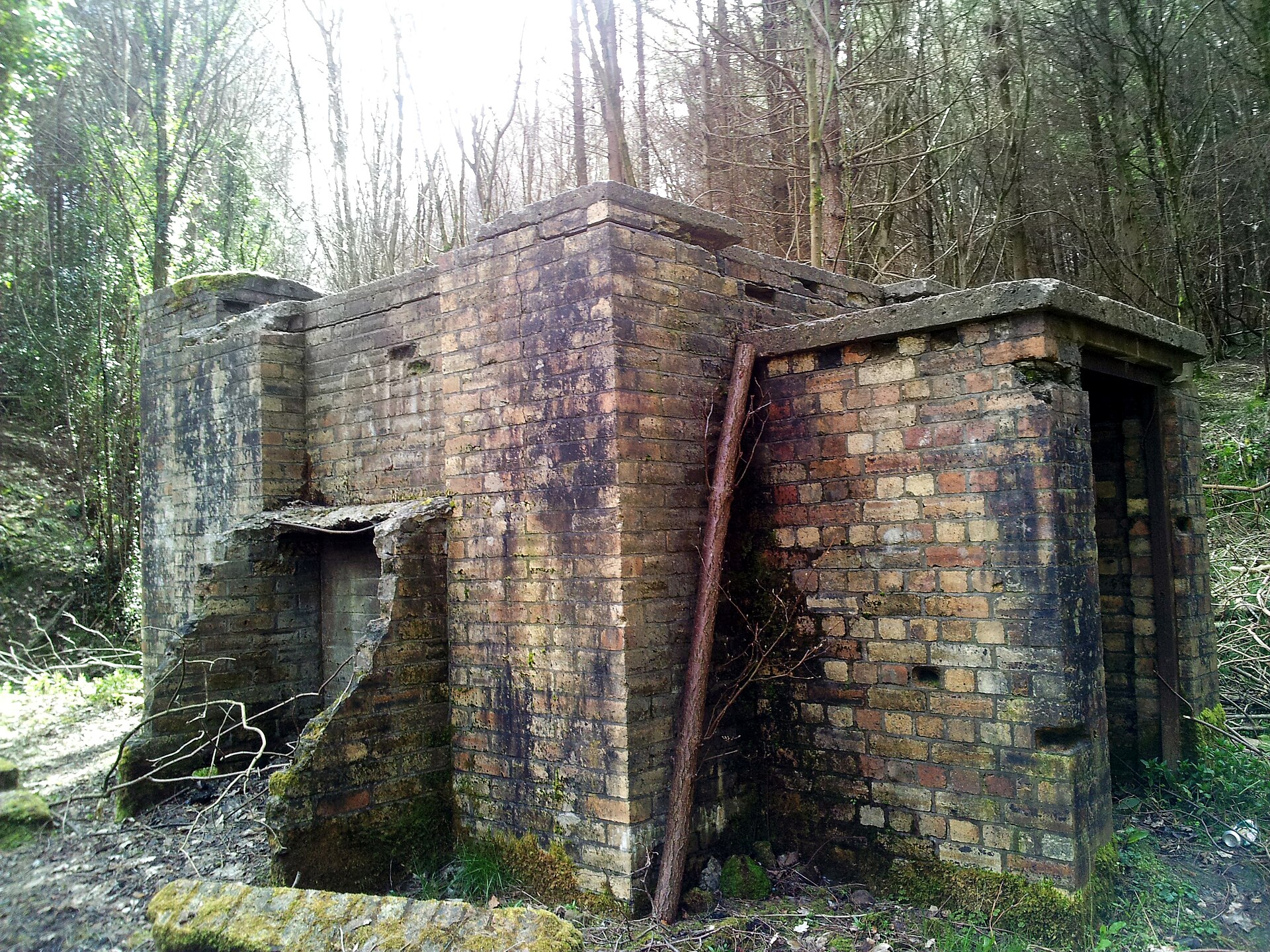
Priestman Collieries took the colliery in 1903, raising coking and steam coal from the Brockwell, Five Quarter, Stone and Three Quarter seams; employment reached 760 in 1921 and 798 in 1925. The National Coal Board took it over in 1947. Men from Marley Hill began working its remaining reserves beneath Hollinside and Gibside through the Clockburn Drift, and Axwell Park closed on 7 August 1954. Its Hollinside Shaft, about a mile from the colliery, was kept to ventilate those workings, with a fan installed by the Coal Board; the brick airlock over the backfilled shaft survives in Clockburn Wood near Whickham.
Geology
Durham coalfield: the Stone coal with fireclay, the Five Quarter, Three Quarter, Brockwell, Busty and Cannel seams.
Workings
The engine pit of 1839, the No. 2 Pit of 1873 to the Brockwell, a drift to Swalwell, and the Hollinside ventilation shaft.
Closure
Closed on 7 August 1954, its remaining reserves worked from Marley Hill through the Clockburn Drift.
What remains
The airlock over the backfilled Hollinside Shaft survives, derelict, in Clockburn Wood.
The brick airlock over the Hollinside ventilation shaft.
Redevelopment
Unknown.
Related mines
- Blaydon Burn Colliery — Both were taken over by Priestman Collieries Ltd.
- Blaydon Main Colliery — Both were taken over by Priestman Collieries Ltd.
- Clockburn Drift — Clockburn Drift worked Axwell Park's last reserves beneath Hollinside and Gibside and used its Hollinside Shaft for ventilation.
- Marley Hill Colliery — Marley Hill men worked Axwell Park's last reserves through the Clockburn Drift before Axwell Park closed in 1954.
- Waldridge Colliery — Both were taken over by Priestman Collieries Ltd.
- Watergate Colliery — Both were taken over by Priestman Collieries Ltd.
Nearby mines
- Blaydon Main Colliery — 0.9 miles (1.5 km) NW
- Clockburn Drift — 1.3 miles (2.1 km) SW
- Dunston Colliery — 1.7 miles (2.7 km) E
- Watergate Colliery — 1.7 miles (2.8 km) SE
- Paradise Colliery — 1.8 miles (2.9 km) NE
Straight-line distance, within 9 miles (15 km). Show on the map.
Disasters & major incidents
-
Axwell Park Colliery explosion, 1896
10 February 1896 · Explosion · 2 fatalities
On 10 February 1896 firedamp, never before seen at Axwell Park Colliery, was fired at a hewer's naked light in the Five Quarter seam, burning three men; the deputy and a hewer died.
Recorded claims
Individual factual claims, each attached to the source(s) that support it below. Where sources disagree, both are kept.
- The engine pit was sunk from the surface to the Main Coal in 1839, and the colliery was flooded out soon after sinking; it was reopened in 1889 and worked by Hannington and Co. 1
- In 1894 the colliery worked the Stone coal at about 32 fathoms and the Five Quarter ten fathoms lower, drawing its coal through a drift to Swalwell, about 360 tons a day with 250 men and boys. 1
- On 10 February 1896 an explosion of firedamp in the Five Quarter at Axwell Park burned three men, two of whom died. 2
- Axwell Park Colliery closed in 1954 after men from Marley Hill began working its remaining reserves beneath Hollinside and Gibside through the Clockburn Drift. 3,1
- The Hollinside Shaft, originally part of Axwell Park Colliery, was kept as a ventilation shaft for the drift workings, with a fan installed by the National Coal Board; an airlock above it survives in Clockburn Wood. 3
- Sir William Selby had coal pits at Axwell Park around 1633. 4
Photographs & further reading
Owners, employment from 1894 to 1950, seams and the men killed at the colliery.
View sourceSources
- (primary) Axwell Park Colliery — Durham Mining Museum
- (primary) Colliery Accident 1896: Axwell Park, 10 February 1896 — Durham Mining Museum
- (secondary) Marley Hill — Wikipedia
- (secondary) Axwell Park, Selby's coal pits (HER 13590) — Tyne and Wear HER (Sitelines)
Record created: 5 October 2026 · Last researched: 5 October 2026