 MineArchive
Blaengwawr Colliery
| Also known as | Blaengwawr Colliery, Aberaman |
|---|---|
| Location | Aberaman, Aberdare, Rhondda Cynon Taf — 51.7084, -3.4407 (approximate) |
| Commodity | Coal |
| Type | Coal |
| Worked | 1843–1926 |
| Maximum depth | Unknown. |
| Operators | David Davis of Blaengwawr (1843–1866), David Davis and Sons (1866–1885), Powell Duffryn Steam Coal Company (1914–1926) |
Overview
A Cynon valley steam-coal colliery at Aberaman, opened in 1843 by David Davis of Hirwaun on a lease of the Blaengwawr estate, and the pit that made his name — he was known ever after as David Davis, Blaengwawr, and went on to sink Ferndale in the Rhondda Fach. Three pits worked the four-, six- and nine-feet veins for seven or eight hundred tons a day. An explosion in the four-feet workings on 8 March 1861 killed thirteen men and boys; the inquest traced it to a ventilation door left open and asked for safety lamps to be used throughout. The colliery lay idle from the 1880s until Powell Duffryn restarted it in 1917, and closed in 1926.
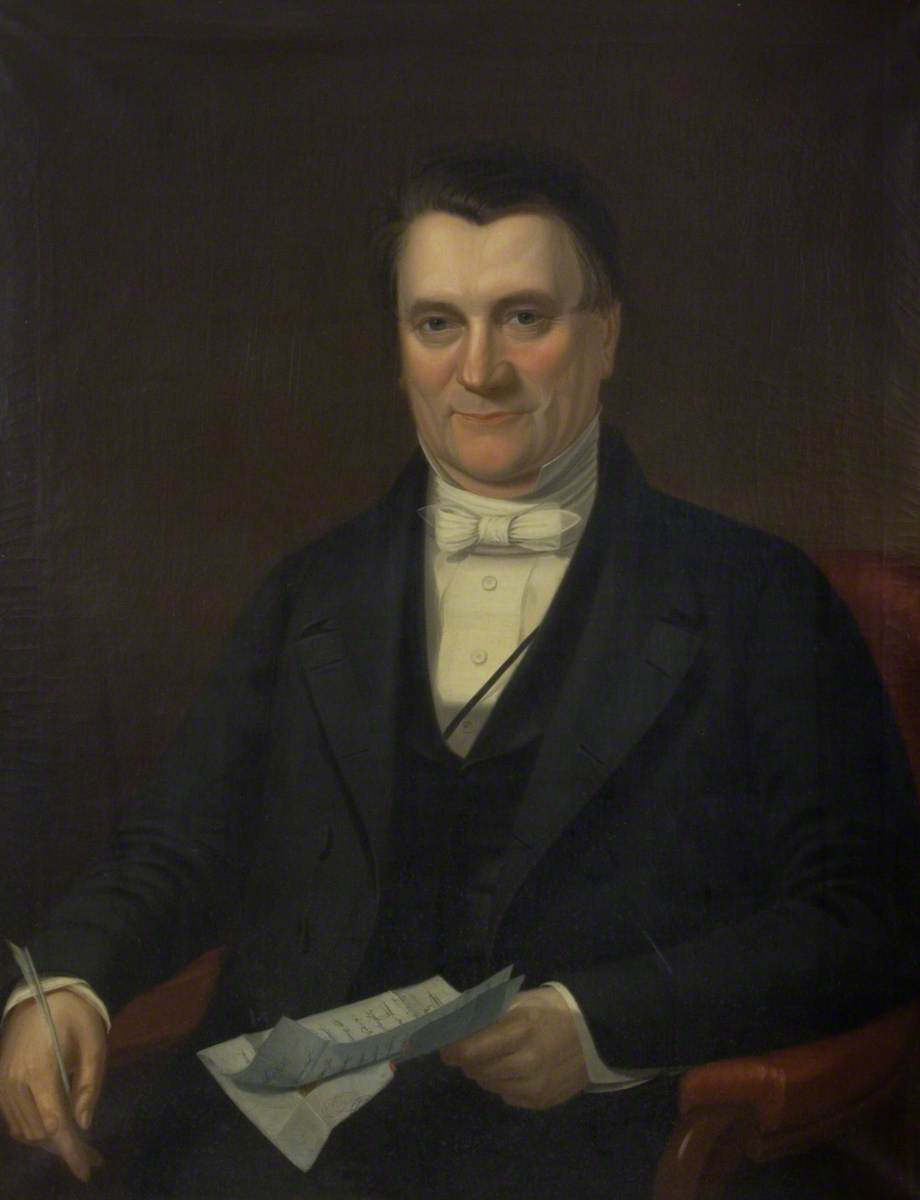
History
David Davis was born at Llanddeusant in Carmarthenshire in 1797, served an apprenticeship at Merthyr Tydfil and set up on his own account at Hirwaun, where small-scale mining at Rhigos drew him into the coal trade. By the early 1840s he had taken a lease of the steam-coal seams on the Blaengwawr estate at Aberaman, and in 1843 he sank a pit there; coal went away from it for the first time the following year, carried to Cardiff on the Glamorganshire Canal until the Taff Vale Railway opened in 1847. Davis moved from Hirwaun to a house he built at Blaengwawr, encouraged a number of his Hirwaun workmen to follow him, and founded the Wesleyan chapel at Aberdare that his employees largely filled.
By 1861 the concern was three pits working the four-, six- and nine-feet veins and raising seven or eight hundred tons a day between them, of which Blaengwawr itself produced about three-fifths, ventilated by two furnaces and two downcast shafts with the air split five ways underground. The manager was Davis's son, David Davis junior, and the overman Richard Richards. On the morning of 8 March that year an explosion in the four-feet workings — the district the men called the Crimea — killed thirteen (see Disasters, below). It was not the first: a short time before, an explosion in the six-foot colliery had killed one man and badly injured five.
David Davis and Sons was formed early in 1866, a few months before Davis died, and by then his attention had moved to the Rhondda Fach, where after costly and at first unsuccessful sinkings he had struck a good seam at Ferndale. Blaengwawr later shared two upcast and two downcast shafts with other collieries of the group. It stood idle from some time between 1885 and 1914, when the Powell Duffryn Steam Coal Company bought it and restarted production in 1917. It closed in 1926.
Geology
The colliery worked the steam-coal measures of the South Wales Coalfield on the Blaengwawr estate at Aberaman, in three named seams of the Aberdare sequence — the four-feet, the six-feet and the nine-feet veins, each with its own pit. The four-feet was the seam that gave the district its reputation and its danger: it was the seam worked at Lletty Shenkin across the valley, described by the Government Inspector as one in which locked safety lamps ought to be used exclusively, and it was in the four-feet workings that the 1861 explosion happened.
Geological setting: Sedimentary Beds and Seams (well documented example)
Workings
Three pits, one to each of the four-, six- and nine-feet veins, together raising seven or eight hundred tons a day in 1861. Ventilation was by furnace: one in each upcast, of forty-four square feet of section, with a great furnace of fifty-six feet, drawing 36,972 cubic feet of air a minute through the nine-feet vein and 28,440 through the other, the current split five ways underground and controlled by regulators. There was no separate ventilation for the Blaengwawr pit itself: the four-feet workings were fed from a split off the nine-feet downcast, an arrangement the 1861 inquest examined closely. The four-feet district was worked with naked lights, the rest of the colliery with a mixture of naked lights and safety lamps. Later the colliery shared two upcast and two downcast shafts with others in the same group.
Closure
The colliery was closed at some point between 1885 and 1914. The Powell Duffryn Steam Coal Company bought it in 1914 and restarted production in 1917; it closed for good in 1926.
What remains
Nothing is recorded of what survives on the colliery site. Blaengwawr is now a district of Aberdare, and David Davis's own memorial stands over his grave at St John's, Aberdare, where he was buried in 1866.
Redevelopment
None recorded.
Related mines
- Ferndale Collieries — Both were opened by David Davis: Blaengwawr in 1843 made his name and his fortune, and he used it to open out the Rhondda Fach at Ferndale in the 1860s.
Nearby mines
- Abergwawr Colliery — 0.6 miles (0.9 km) SE
- De Winton Colliery — 0.6 miles (0.9 km) N
- Gadlys Colliery — 0.6 miles (1.0 km) NW
- Graig Colliery, Aberdare — 0.6 miles (1.0 km) W
- Abernant No. 9 Pit — 0.7 miles (1.1 km) E
Straight-line distance, within 9 miles (15 km). Show on the map.
Disasters & major incidents
-
Blaengwawr Colliery Explosion, 1861
8 March 1861 · Explosion · 13 fatalities
Firedamp exploded in the four-feet workings of Blaengwawr Colliery at Aberaman at about twenty past seven on the morning of Friday 8 March 1861, killing thirteen men and boys and seriously injuring seven more. Between 250 and 300 were underground. The inquest found the gas had accumulated because a ventilation door between two cross-headings had been left open by a person unknown, and asked that safety lamps be used throughout the colliery as the Government Inspector had already recommended.
What's uncertain
Points where sources disagree or the record could not be settled; both accounts are kept. All open questions in the archive.
- The BGS mine-plans catalogue holds a Mining Remediation Authority abandonment plan titled 'Blaengwawr' (catalogue 10846, Graig, dated 1931); the catalogue gives no location and the plan's details do not clearly tie it to this working, so it may belong to another of the same name. (uncertain) 4
Recorded claims
Individual factual claims, each attached to the source(s) that support it below. Where sources disagree, both are kept.
- David Davis took a lease of the steam-coal seams on the Blaengwawr estate at Aberaman and sank a pit there in 1843; coal was sent away from it for the first time in 1844. 1,2
- Coal was carried to Cardiff on the Glamorganshire Canal until the Taff Vale Railway opened in 1847. 2
- David Davis junior told the 1861 inquest that his father had three pits raising seven or eight hundred tons a day between them, of which Blaengwawr produced about three-fifths. 3
- The colliery was ventilated by two furnaces and two downcast shafts, passing 36,972 cubic feet of air a minute through the nine-feet vein furnace and 28,440 through the other, with the current split five ways underground; there was no separate ventilation for the Blaengwawr pit, whose four-feet workings were fed from a split off the nine-feet downcast. 3
- David Davis and Sons held the colliery from 1866. It was closed at some point between 1885 and 1914, when the Powell Duffryn Steam Coal Company bought it and restarted production in 1917; it closed in 1926. 1
- A short time before the 1861 disaster an explosion in the six-foot colliery killed one man and badly injured five. 3
- The BGS mine-plans catalogue holds a Mining Remediation Authority abandonment plan titled 'Blaengwawr' (catalogue 10846, Graig, dated 1931); the catalogue gives no location and the plan's details do not clearly tie it to this working, so it may belong to another of the same name. (uncertain) 4
Photographs & further reading
The colliery's opening, shafts, ownership sequence and closure, with a short account of the 1861 explosion and a photograph of a coal merchant filling his cart at the screens.
View sourceThe life of the colliery's founder, from Llanddeusant and Hirwaun to the Blaengwawr lease and the later sinkings at Ferndale in the Rhondda Fach.
View sourceSources
- (secondary) Blaengwawr Colliery — Welsh Coal Mines
- (secondary) David Davis, Blaengwawr — Wikipedia
- (secondary) The Aberdare Valley Colliery Disasters 1845-1861 — People's Collection Wales
- (primary) BGS / Mining Remediation Authority mine plans: BLAENGWAWR — British Geological Survey / Mining Remediation Authority
Record created: 3 September 2026 · Last researched: 4 September 2026