 MineArchive
West Moor Colliery
| Also known as | Killingworth Colliery, Killingworth Colliery, West Moor Pit, West Moor Pit |
|---|---|
| Location | West Moor, Killingworth, North Tyneside, Tyne and Wear — 55.0283, -1.5749 (approximate) |
| Commodity | Coal |
| Type | Coal |
| Worked | Before 1806; possibly 1761–Closed by 1900 |
| Maximum depth | Unknown. |
| Operators | Lord Ravensworth and Partners |
Overview
The West Moor pit of Killingworth Colliery in North Tyneside, owned by Lord Ravensworth and partners, where George Stephenson was engine-wright and built his first locomotives in the workshop behind his cottage. Three explosions between 1844 and 1851 killed twenty-four men and boys.
History
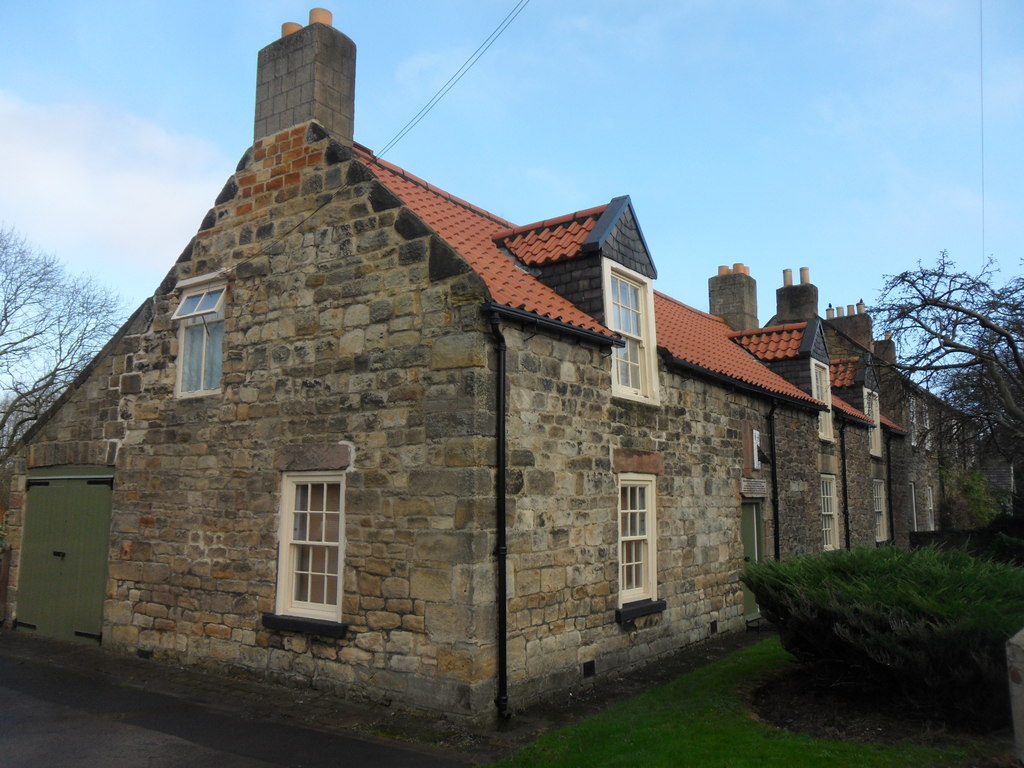
West Moor was one of the pits of Killingworth Colliery, on the Tyne coalfield north-east of Newcastle. The Tyne and Wear Historic Environment Record suggests it may have been the pit opened by the Grand Allies in 1761; it was certainly at work before 1806 and had closed by 1900, with Lord Ravensworth and partners as owners through the nineteenth century. First-edition Ordnance Survey mapping is unclear but appears to show two shafts, a cistern, a sluice and a gin, and the colliery was served by a wagonway. Its lasting fame is its engine-wright. George Stephenson worked the engines at West Moor under a joint contract from 1808, was promoted after repairing a Newcomen pumping engine, and from 1813 had charge of the engines at all the Grand Allies' collieries. He persuaded Sir Thomas Liddell, later Lord Ravensworth, to back a steam locomotive, and built Blücher in 1814 in the colliery workshop behind Dial Cottage, the family home on Great Lime Road where he and his son Robert lived from 1804 to 1822 and where they made the sundial the house is named for; as many as sixteen locomotives may have been built there. Ralph Dodds, the chief viewer at Killingworth, managed or trained Stephenson, his own nephew Isaac Dodds, John Blenkinsop and Nicholas Wood, who succeeded him. Explosions killed five men on 18 January 1844, ten on 3 April 1845 and nine on 31 October 1851 (see Disasters, below).
Geology
The Northumberland and Durham coalfield; the 1845 explosion account describes a stone drift to the water level with drifts and headings driven into the solid coal.
Workings
Ordnance Survey mapping of the 1860s appears to show two shafts with a cistern, a sluice and a gin. Underground, a stone drift ran about 900 yards south-west from the shaft bottom to the water level, with three drifts along the level for some 1,100 yards and headings into the solid coal.
Closure
The Tyne and Wear Historic Environment Record records the pit as closed by 1900; Grace's Guide notes Killingworth colliery working on into the twentieth century.
What remains
Unknown as regards the pit itself. Dial Cottage, the Stephensons' house beside the colliery workshop, still stands on Great Lime Road and the line of the Killingworth Waggonway survives as a path.
Dial Cottage and its 1816 sundial survive on Great Lime Road, with the site of the workshop where Stephenson's locomotives were built behind it; the Killingworth Waggonway's course is traceable nearby. Nothing of the pit's own surface plant is recorded in the sources read.
Redevelopment
The colliery land around Killingworth was redeveloped from 1963 for the new town, which was built on some 760 acres of former colliery ground.
Nearby mines
- Weetslade Colliery — 2.2 km NW
- Burradon Colliery — 2.4 km N, Northumberland
- Backworth Colliery — 3.5 km NE
- Rising Sun Colliery — 3.5 km SE
- Coxlodge Colliery — 3.6 km SW
Straight-line distance, within 15 km. Show on the map.
People
- Ralph Dodds · agent — Chief viewer at Killingworth, who managed or trained Stephenson, Isaac Dodds, John Blenkinsop and Nicholas Wood.
- George Stephenson · engineer, 1808–1822 — Engine-wright at West Moor, where he built Blucher in 1814 in the workshop behind Dial Cottage.
- Nicholas Wood · agent — Succeeded Ralph Dodds as chief viewer at Killingworth.
Recorded claims
Individual factual claims, each attached to the source(s) that support it below. Where sources disagree, both are kept.
- Tyne and Wear HER records the West Moor pit of Killingworth Colliery as possibly the pit opened by the Grand Allies in 1761, certainly open before 1806 and closed by 1900, owned by Lord Ravensworth and partners in the 1800s. 1
- Explosions at the pit killed five men on 18 January 1844, ten on 3 April 1845 and nine on 31 October 1851. 1,2,3
- Stephenson worked the engines at West Moor under a joint contract from 1808, took charge of the Grand Allies' engines in 1813, and built his first locomotive Blucher in 1814 after persuading Sir Thomas Liddell to back it. 4,5
- Dial Cottage on Great Lime Road was the Stephensons' home from 1804 to 1822 and carries the sundial they made in 1816; the locomotives were built in the colliery workshop behind it. 4,6
- Ralph Dodds, chief viewer at Killingworth, managed or trained his nephew Isaac Dodds, George Stephenson, John Blenkinsop and Nicholas Wood, who succeeded him as chief viewer. 5
Photographs & further reading
The historic environment record for the pit, with its ownership, mapped features and the three explosion tolls.
View sourceA short industrial history of the colliery, centred on George Stephenson's years as engine-wright at West Moor.
View sourceSources
- (primary) Killingworth Colliery, West Moor Pit (Tyne and Wear HER 1082) — Tyne and Wear Historic Environment Record
- (secondary) West Moor Colliery Explosion – Killingworth – 1844 — Northern Mine Research Society
- (secondary) West Moor Colliery Explosion – Killingworth – 1845 — Northern Mine Research Society
- (secondary) Killingworth Colliery — Grace's Guide
- (secondary) Killingworth — Wikipedia
- (observational) Dial Cottage, West Moor (Geograph photo 4810947, 2016) — Geograph
Record created: 17 September 2026 · Last researched: 17 September 2026