 MineArchive
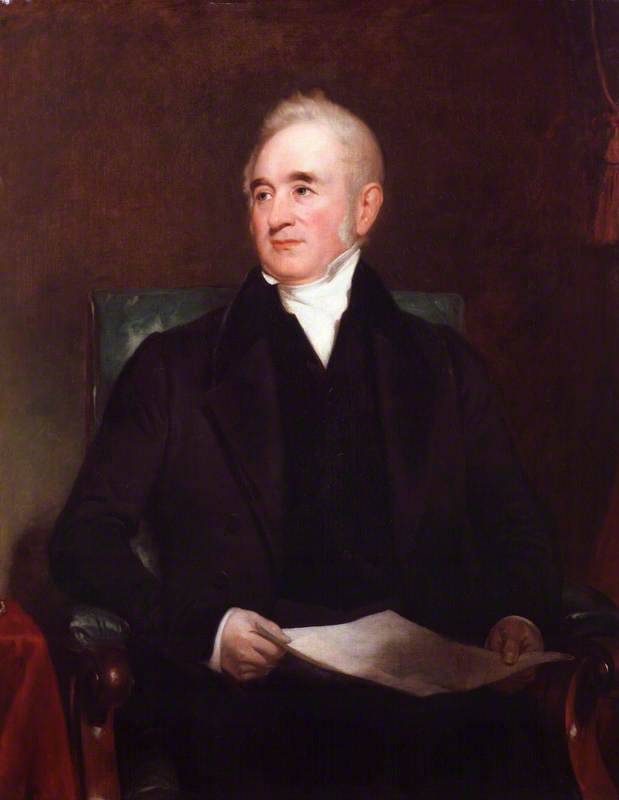
George Stephenson and West Moor Pit
| Category | Learning |
|---|---|
| Dates | Brakesman at West Moor 1804; enginewright after 1811 (1812 in some accounts); Blücher first ran 25 July 1814; Geordie lamp tested 1815; left for Newcastle about 1822-23. |
George Stephenson, the son of a colliery fireman who could not read until he paid for night school, came to West Moor Pit at Killingworth in 1804 as brakesman on the winding engine. Promoted to enginewright, he built his first locomotive, Blücher, in the colliery workshop behind his cottage in 1814, and in 1815 tested his 'Geordie' safety lamp in the pit, a month before Humphry Davy presented his own. The lamp gave its name to the region's pitmen, and by one account to every Geordie since.
The mining history in this record
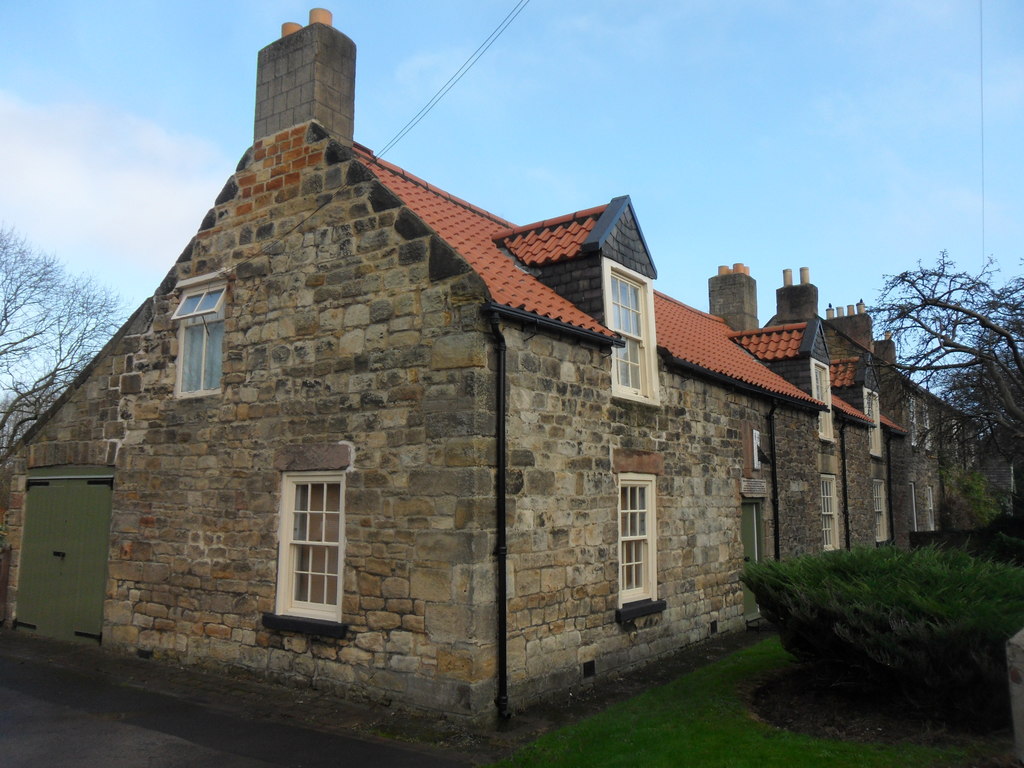
Stephenson was born at Wylam in 1781 to a fireman on the Wylam Colliery pumping engine; neither parent could read. He became an engineman at Water Row Pit, Newburn, at 17 and paid to learn to read and write at night school. After working as a brakesman at Black Callerton and Willington Quay, he moved in 1804 to West Moor, near Killingworth, as brakesman to the West Moor colliery engine, living with his wife Frances and infant son Robert in a one-room cottage with a garret on the Great Lime Road, now Dial Cottage. His baby daughter and then his wife died there in 1805-06.
In 1811 the pumping engine at Killingworth High Pit was failing, and Stephenson offered to put it right; he did, and was made enginewright for the Killingworth collieries, responsible for all their engines. He persuaded the lessees to fund a travelling engine, and Blücher, built in the colliery wagon shops behind Dial Cottage, was placed on the wagonway on 25 July 1814. It could haul 30 tons of coal up a gradient at 4 mph, and it was the first successful flanged-wheel adhesion locomotive. As many as 16 locomotives may have been built at Killingworth.
The pit's firedamp led to his other invention. In 1815, as enginewright, he tested an oil lamp in the gas at Killingworth, improving it over several weeks, and demonstrated it underground a month before Davy presented his gauze lamp to the Royal Society. Davy's supporters accused the uneducated enginewright of stealing the idea; a local committee cleared him and awarded him £1,000, and in 1833 a House of Commons committee found his claim equal to Davy's. The glass-chimneyed 'Geordie lamp' went out in rising gas where the Davy could run red hot, and it stayed in use in the North East through most of the 19th century.
People
George Stephenson (1781-1848), brakesman and then enginewright at West Moor and the Killingworth collieries. Robert Stephenson (1803-1859), his son, who grew up at Dial Cottage. Sir Humphry Davy, whose rival safety lamp led to the priority dispute.
Legacy today
Dial Cottage still stands on the Great Lime Road, Grade II* listed, with the sundial of 1816 that Stephenson and his son made above the door and a plaque recording Blücher's first run on the wagonway beside it. His hand lathe from Killingworth is at Newcastle University. One theory holds that the name of his lamp passed to the North East pitmen who used it, and from them to the people of Tyneside: by 1866 any native of Newcastle could be called a Geordie. George Stephenson High School in Killingworth carries his name.
Mining language in this record
Words and phrases in this record that are genuine mining terminology, occupations, methods or economic practice — not scenery or ordinary regional language that merely appears in a mining-adjacent work.
| Expression | Meaning | MineArchive connection |
|---|---|---|
| brakesman | The man who controlled the winding engine that raised and lowered the cage in the shaft; Stephenson's job at Black Callerton, Willington Quay and West Moor. (North East England) | (C) No archive Term yet; explained on its own terms. |
| enginewright | The colliery's engineer, responsible for maintaining and repairing all its engines; Stephenson's post at Killingworth from 1811-12. (North East England) | (C) No archive Term yet; explained on its own terms. |
| Geordie lamp | Stephenson's 1815 safety lamp, used in North East pits through most of the 19th century. (North East England) | Safety Lamp — (A) Same concept: a particular design of flame safety lamp. |
Recorded claims
Individual factual claims, each tagged with how solidly it's grounded and attached to the source(s) that support it. Where sources disagree, both are kept.
- In 1804 Stephenson moved to Killingworth on his appointment as brakesman to the West Moor colliery engine. (documented fact) 1,2
- Wikipedia says he worked as a brakesman at 'Killingworth Pit'. (documented fact, disputed) 3
- After repairing the failing pumping engine at Killingworth High Pit in 1811 he was promoted to enginewright for the Killingworth collieries. (documented fact, disputed) 3
- He was promoted to engine-wright in 1812 after repairing a Newcomen pumping engine. (documented fact, disputed) 4,5
- Blücher was built at the West Moor colliery in 1814, in the wagon shops behind Dial Cottage, and first ran on the wagonway on 25 July 1814. (documented fact) 3,1,2,5
- In 1815 Stephenson tested his safety lamp in firedamp at Killingworth Colliery, a month before Davy presented his design to the Royal Society; a local committee awarded him £1,000 and an 1833 Commons committee found his claim equal to Davy's. (documented fact) 3,1,6
- One theory holds that the name of the Geordie lamp passed to the North East pitmen and so to the people of the region; by 1866 any native of Newcastle could be called a Geordie. (unverified claim, uncertain) 3
- Stephenson lived at Dial Cottage from 1804 to 1822 with his son Robert; they made the sundial in 1816. (documented fact, disputed) 7
- The plaque on Dial Cottage gives his residence as 1805 to 1823. (contemporary account, disputed) 2
- Dial Cottage is Grade II* listed. (documented fact) 3
- Neither of Stephenson's parents could read; he paid to attend night school and began learning to read and write in his spare time in 1799. (documented fact) 3,1
Mines
- Oaks Colliery — South Yorkshire
At Oaks Colliery in 1857 Davy lamps glowed red hot in a gas influx while Stephenson's Geordie lamps went out safely. - West Moor Colliery — Tyne and Wear
Stephenson was brakesman to the West Moor colliery engine from 1804 and built Blücher in the colliery workshop in 1814. - Willington Colliery — County Durham
Stephenson worked as a brakesman at Willington Quay before moving to West Moor in 1804. - Wylam Colliery — Northumberland
Stephenson's father was fireman on the Wylam Colliery pumping engine, where he was born in 1781.
People
- George Stephenson · engineer, 1804–1822 — Brakesman and enginewright at West Moor, where he built Blücher and tested the Geordie lamp.
Regions
Commodities
Real-world mining concepts used here
Related Culture records
- John Hodgson's Account of the Explosion at Felling
Stephenson was a member of the Sunderland Society formed after Felling, and built the Geordie lamp. - John Hodgson's Account of the Explosion at Felling
The Felling explosion of 1812 and Hodgson's Account spurred the safety-lamp work that led to the Geordie lamp.
Sources
- (secondary) George Stephenson 1781-1848 — Science Museum Group Collection
- (secondary) Dial Cottage, West Moor (NZ274705) — North-East History Tour
- (secondary) George Stephenson — Wikipedia
- (secondary) Killingworth Colliery, West Moor Pit (1802-1882) — Co-Curate, Newcastle University
- (secondary) Killingworth locomotives — Wikipedia
- (secondary) Geordie lamp — Wikipedia
- (observational) Dial Cottage, West Moor (Geograph photo 4810947, 2016) — Geograph
- (primary) Dial Cottage (George Stephenson's Cottage), HER 4877 — Tyne and Wear HER (Sitelines)
Record created: 18 September 2026 · Last researched: 18 September 2026