 MineArchive
Van Mine
| Location | Van, Llanidloes, Powys — 52.4747, -3.5483 (approximate) |
|---|---|
| Commodities | Lead, Barite, Silver, Zinc |
| Type | Metal |
| Worked | 1862–1922 |
| Maximum depth | worked to at least 90 fathoms (about 165 m) |
| Operators | Van Mining Company (1869–1890), Edward Woods & Co. (1892–1901), Van Mines Ltd (1902–1908), Welsh Van Mining Co. Ltd (1916–1922) |
Overview
Van Mine was, briefly, one of the most productive lead mines in Europe. After eleven years of disappointing results, the rich Van lode was finally reached in 1862, and by the 1870s the mine was producing thousands of tons of lead a year, with its own railway built to move it to market. It closed for good in 1922 after decades of falling prices and repeated changes of ownership.
History
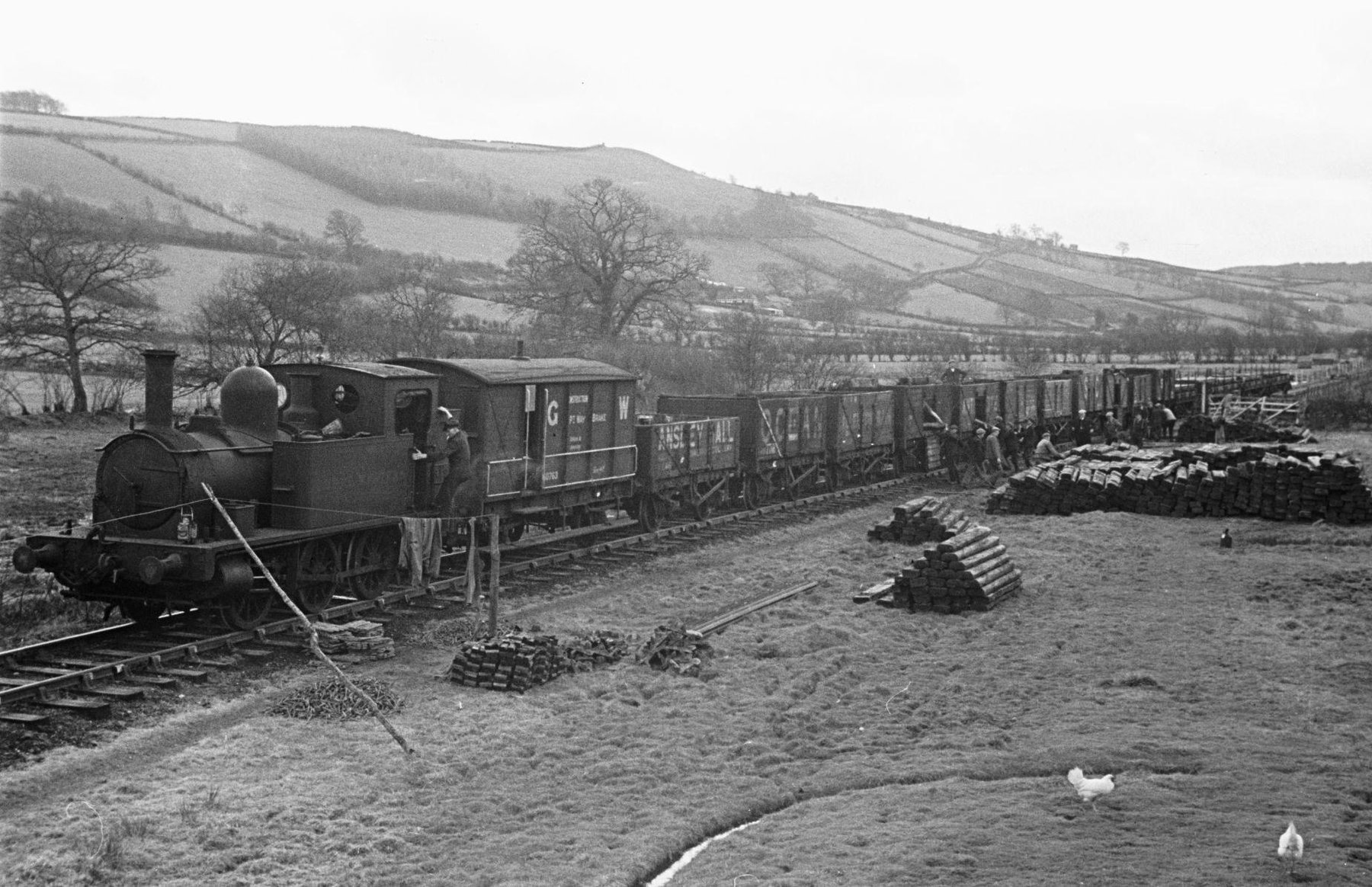
The Van lode was reached in 1862 after eleven years of poor results, and the first ore was sold in 1866. The Van Mining Company, floated in 1869 under George Batters, drove rapid development: steam winding machinery was installed in 1870, and the Van Railway Company — registered the same year — built a 6.5-mile standard-gauge line to Caersws on the Cambrian Railways, opening for freight in August 1871.
Output grew rapidly through the 1870s, passing 1,000 tons of lead ore a year in 1868 and averaging around 4,265 tons annually until 1884, peaking in 1877 at 6,470 tons of lead and 2,404 tons of zinc concentrates. Over the second half of the 19th century the mine produced a total of 95,739 tons of lead concentrate, 28,424 tons of zinc blende and 756,142 ounces of silver. A compressed-air plant introduced in 1883 enabled machine drilling, reducing costs, but falling lead prices forced closure in December 1890. The mine changed hands repeatedly afterward — Edward Woods & Co. from 1892, Van Mines Ltd from 1902, the Llanidloes Mining & Machinery Co. Ltd from late 1908, and finally the Welsh Van Mining Co. Ltd from 1916 — closing again in January 1908 and for the last time in 1922, when low prices and a lack of funds ended the venture. Some barytes extraction above the water level took place during the Second World War.
Geology
The vein runs west-southwest to east-northeast through Silurian and Ordovician rock, and was notably wide for a Welsh lead vein — 110 m at adit level, widening to 365 m at 90 fathoms depth.
Geological setting: Veins and Lodes (well documented example)
Workings
Workings reached at least 90 fathoms (around 165 m) below the adit level. Steam winding machinery was installed from 1870, and a compressed-air plant from 1883 allowed machine drilling, cutting the cost of driving new levels.
Closure
The mine closed and reopened several times as lead prices fluctuated — first in December 1890, again in January 1908, and finally in 1922, when the operating company ran out of funds against a backdrop of persistently low prices. Limited barytes extraction above the water level continued during the Second World War.
What remains
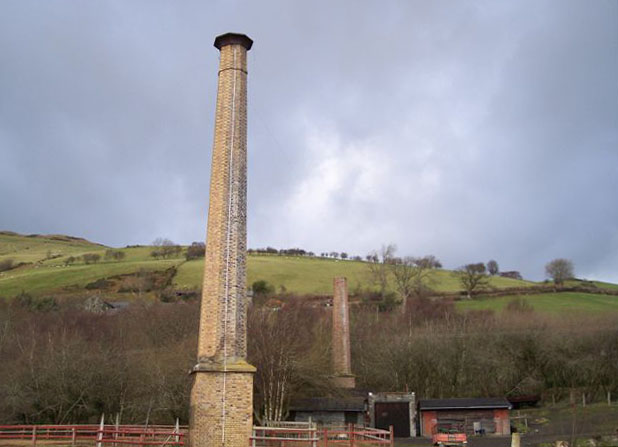
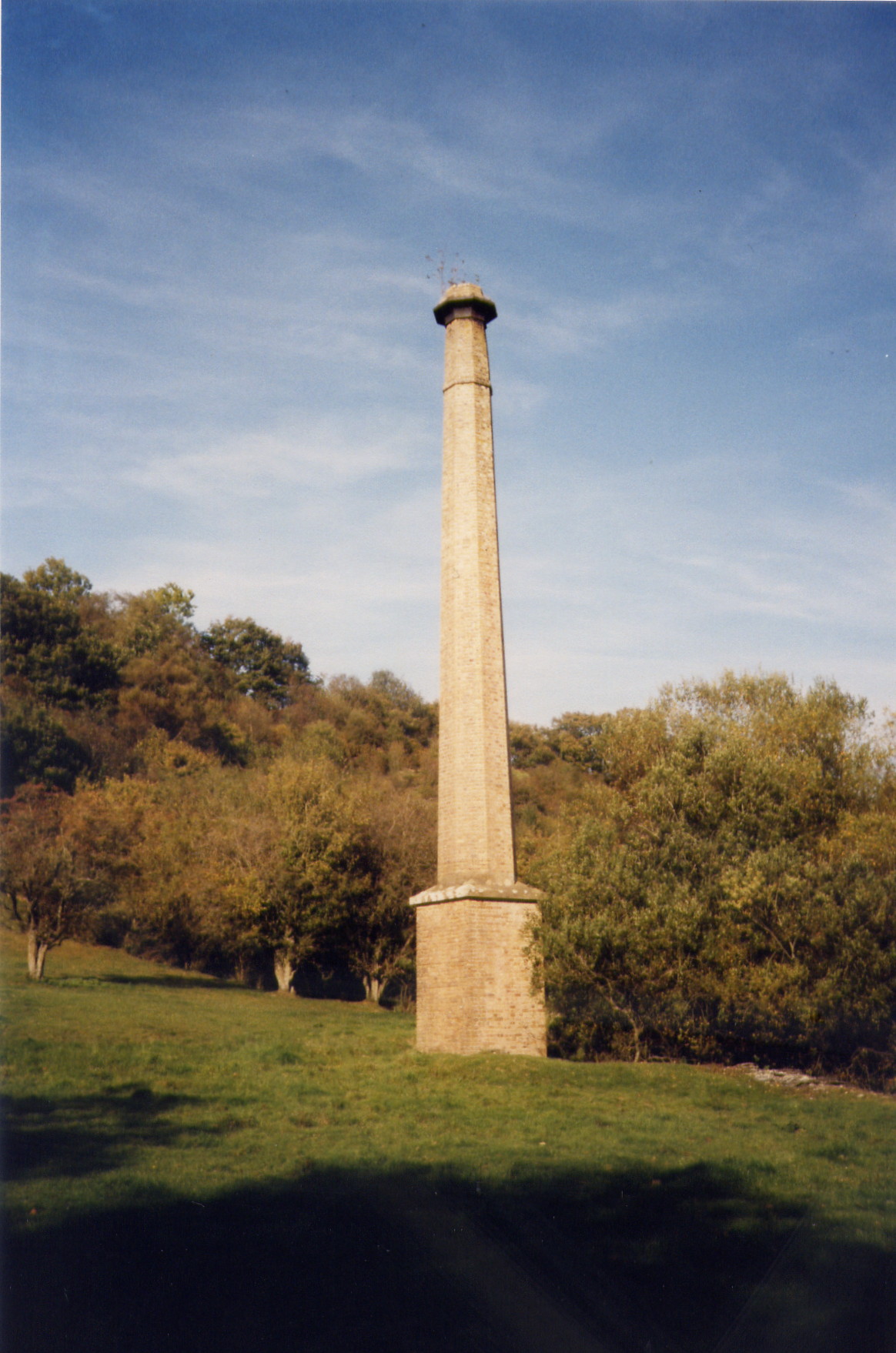
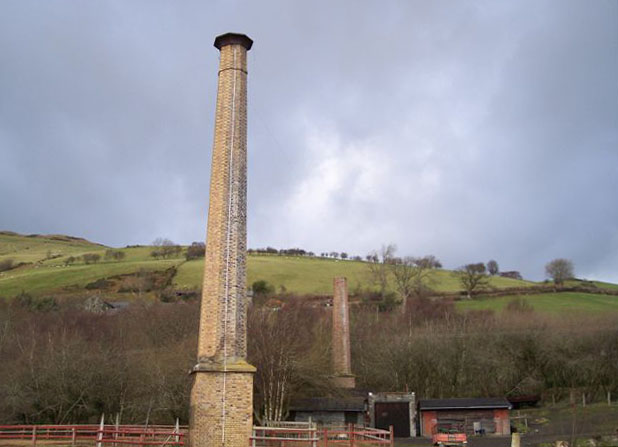
The site is now derelict. Two of its chimneys survive as separate listed structures.
Two mine chimneys survive, individually listed, one of them noticeably leaning; other surface remains from the mine's various phases of work are also present at the site.
Redevelopment
No major redevelopment has taken place; the surviving structures are preserved through listed-building protection rather than any active reuse of the site.
Related mines
- Aberdaunant Mine — Aberdaunant's vein ran through Bryntail Mine and on to the much larger Van Mine.
- Bryntail Lead Mine — Bryntail worked the same vein of galena and barytes that also fed the much larger Van mine nearby.
Nearby mines
- Aberdaunant Mine — 1.7 miles (2.7 km) W
- Bryntail Lead Mine — 2.2 miles (3.6 km) W
- Nantiago Mine — 7.7 miles (12.3 km) W
- Plynlimmon Mine — 7.7 miles (12.3 km) W, Ceredigion
- Dylife — 8.9 miles (14.3 km) NW
Straight-line distance, within 9 miles (15 km). Show on the map.
Recorded claims
Individual factual claims, each attached to the source(s) that support it below. Where sources disagree, both are kept.
- Van Mine produced a total of 95,739 tons of lead concentrate, 28,424 tons of zinc blende and 756,142 ounces of silver during the second half of the 19th century, peaking in 1877 at 6,470 tons of lead. 1
- The mine closed for the final time in 1922; a different secondary source rounds this to 1921. 1
- The BGS holds ten catalogued Van plans, all with publicly viewable scans: plans and sections of Van Mine itself, East Van Mine, the Central Van property, and the Welsh Van Mining Co Ltd map showing the Aberdaunant, Brynytail, Penclun and Van mines together on one Montgomeryshire sheet. 2
- Powys County Archives records that when Van shares were sold in 1868 their value rose from under £5 to over £85 within a year, funding heavy investment in new machinery and a much larger workforce. 3
- The mine relied on water power carried in purpose-built leats from the surrounding hills to drive its wheels, a cheaper option than hauling coal to a site this remote — steam machinery came later, from 1870. 3
Photographs & further reading
Further freely-licensed photographs of the surviving mine chimneys and remains.
View sourceSources
- (secondary) Van Mines — Northern Mine Research Society
- (primary) Van and East Van mine plans (BGS catalogue) — British Geological Survey
- (secondary) Llanidloes — the mining industry: The Van Mines — Powys County Archives
- (secondary) Van Mine, Llanidloes, Powys, Wales, UK — Mindat
Record created: 19 August 2026 · Last researched: 28 August 2026