 MineArchive
Rookery Colliery
| Location | On Bignall Hill above Bignall End, in the parish of Audley, about a mile north-west of the Jamage pits., Staffordshire — 53.0622, -2.2760 (approximate) |
|---|---|
| Commodity | Coal |
| Type | Coal |
| Worked | 1828–1947 |
| Maximum depth | 788 ft |
| Operators | Bignall Hill Colliery Co., Ltd., Settle Speakman |
Overview
A North Staffordshire pit sunk on Bignall Hill in 1828, drowned out when its neighbour Diglake stopped pumping, found dry again after the Diglake disaster of 1895 and re-sunk, and the pit from which the dead of that disaster were finally reached in 1932.
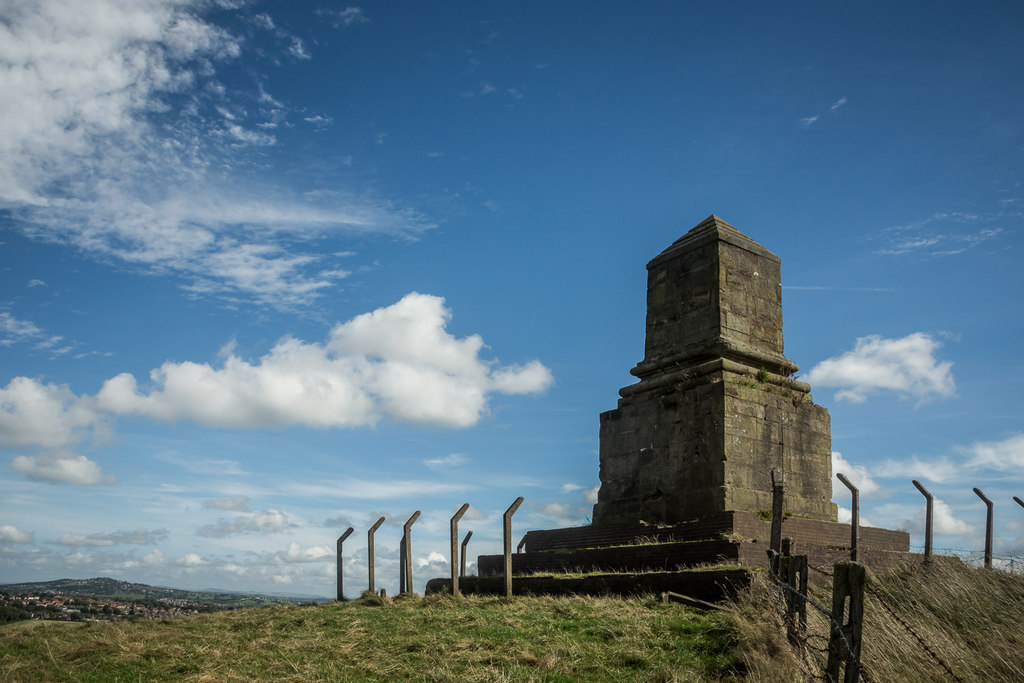
History
John Wedgwood of Bignall End sank the Rookery in 1828 as his answer to the neighbouring Diglake, and it worked the ten foot coal. About 1854, when the Diglake closed and its pumps stopped, the Rookery drowned out and was abandoned. Forty years later that water took seventy-seven lives: on 14 January 1895 it broke from the old Rookery workings into the lower levels of the second Diglake Colliery. When Diglake was recovered from the inundation, Reginald Newcombe Wood realised that the Rookery was dry once more. The old narrow shafts were filled with pit dirt and re-sunk wider and deeper by Diglake men who had lost confidence in the Diglake management, and the colliery reopened about 1898 on the seven and eight foot Banburys and the Bullhurst. It was sold with the Bignall Hill collieries to Settle Speakman, who ran a steam main from the Jamage boilers so that every engine at the Rookery worked on Jamage steam, keeping its own steam-raising plant only for emergencies. Jamage closed in 1941, but the Rookery worked on through the war and into nationalisation, and was closed by the National Coal Board in 1947, its men moved to other pits.
Geology
North Staffordshire Coal Measures. The first working took the ten foot coal; after the re-sinking the seven and eight foot Banburys and the Bullhurst were worked, all good coking coals.
Workings
Two shafts, filled with pit dirt and re-sunk wider and deeper about 1898, though still narrow: the cages were so small that a stretcher could only be carried by standing it diagonally from one bottom corner to the opposite top one. The 1905 Geological Survey section gives the pit at 550 ft above datum, 780 ft down to the eight foot Banbury and 788 ft in all.
Closure
The National Coal Board closed the Rookery in 1947, soon after nationalisation, and the men transferred to other collieries.
What remains
Disused. The colliery site has been reclaimed and the ground is now open country on Bignall Hill.
Related mines
- Boyles Hall Colliery — Another Bignall Hill pit whose flooded workings and Diglake's fate are part of the same story.
- Diglake Colliery — The neighbouring pit that the Rookery's flooded workings drowned in 1895, and whose work was afterwards transferred to the Rookery.
- Jamage Colliery — The other Bignall Hill colliery; its boilers supplied the Rookery's steam and it closed in 1941, six years before the Rookery.
Nearby mines
- Jamage Colliery — 0.7 km E
- Diglake Colliery — 0.8 km SW
- Boyles Hall Colliery — 1.5 km SW
- Bunker's Hill Colliery — 2.3 km N
- Hollinswood Colliery — 2.5 km NE
Straight-line distance, within 15 km. Show on the map.
Disasters & major incidents
-
Diglake Colliery Inrush, 1895
14 January 1895 · Flooding / Inundation · 77 fatalities
At about 11.30 on the morning of Monday 14 January 1895, after a winter of deep snow and thaw, water from the flooded workings of the old Diglake pit, abandoned since about 1850, burst into the new Ten Feet workings of Diglake or Audley Colliery at Bignall End and poured down the dip through the mine, drowning 77 men and boys of the 240 or so underground. About 160 escaped through the Boyle's Hall shaft, many led out by the under-manager William Dodd and the collier John Boulton, who went back into the rising water again and again and were decorated for it. A dam of tubs and timber at the foot of the dip and the threat of further floods and gas forced the rescue to be abandoned within the week with only two bodies recovered. The inquiry could not show how the water got in, called it an unforeseen accident, and left the men where they lay; three skeletons were found in 1932-33 and the workings were sealed.
Recorded claims
Individual factual claims, each attached to the source(s) that support it below. Where sources disagree, both are kept.
- The Rookery was sunk in 1828 by John Wedgwood of Bignall End and worked the ten foot coal. 1
- The pit was abandoned about 1854 when the Diglake closed and its pumps stopped, and the Rookery drowned out. 1
- On 14 January 1895 water from the old Rookery workings broke into the lower levels of Diglake Colliery, where seventy-seven men and boys were drowned. 2,1
- After the Diglake was recovered, Reginald Newcombe Wood found the Rookery dry again; the narrow shafts were filled with pit dirt and re-sunk wider and deeper, and the colliery reopened about 1898 on the seven and eight foot Banburys and the Bullhurst. 1
- Diglake's work was transferred to the Rookery, and in 1932 a heading driven from it reached the scene of the 1895 disaster, the searchers finding a miner's skeleton on 3 September after firedamp had held them up for three weeks. 3
- The 1905 Geological Survey section gives the Rookery pits at 550 ft above datum, 780 ft to the eight foot Banbury and 788 ft in all. 1
- The colliery survived until 1947, when the National Coal Board closed it and moved its men to other pits. 1
Photographs & further reading
Pit-by-pit notes on the Bignall Hill collieries, with the Rookery's sinking, re-sinking, managers, shaft sizes and 1905 Geological Survey section.
View sourceHow a heading driven from the Rookery in 1932 reached the workings where the Diglake dead had lain since 1895.
View sourceSources
- (secondary) Mould's Pits: Collieries of the North Staffordshire Coalfield (B) — North Staffordshire Miners' Group / Apedale Heritage Centre
- (secondary) Diglake Colliery Disaster — Wikipedia
- (secondary) The Men of Diglake Colliery (Susan Bradley) — Healey Hero
Record created: 23 September 2026 · Last researched: 24 September 2026