 MineArchive
Renishaw Park Colliery
| Location | Renishaw, near Eckington, north-east Derbyshire — 53.2933, -1.3428 (approximate) |
|---|---|
| Commodity | Coal |
| Type | Coal |
| Worked | 1860–1989 |
| Maximum depth | The original pit, sunk in 1860, was 265 yards deep; No. 1 shaft reached the Blackshale coal at 678 feet. |
| Operators | J. and G. Wells Ltd (1860–?), National Coal Board (1947–?) |
Overview
The Wells family's colliery at Renishaw near Eckington, sunk in 1860 and worked for 129 years — scene of a firedamp explosion in 1871 that killed twenty-seven, later one of the most mechanised drift mines in North Derbyshire, and in 1989 the first of the county's last five pits to close.
History
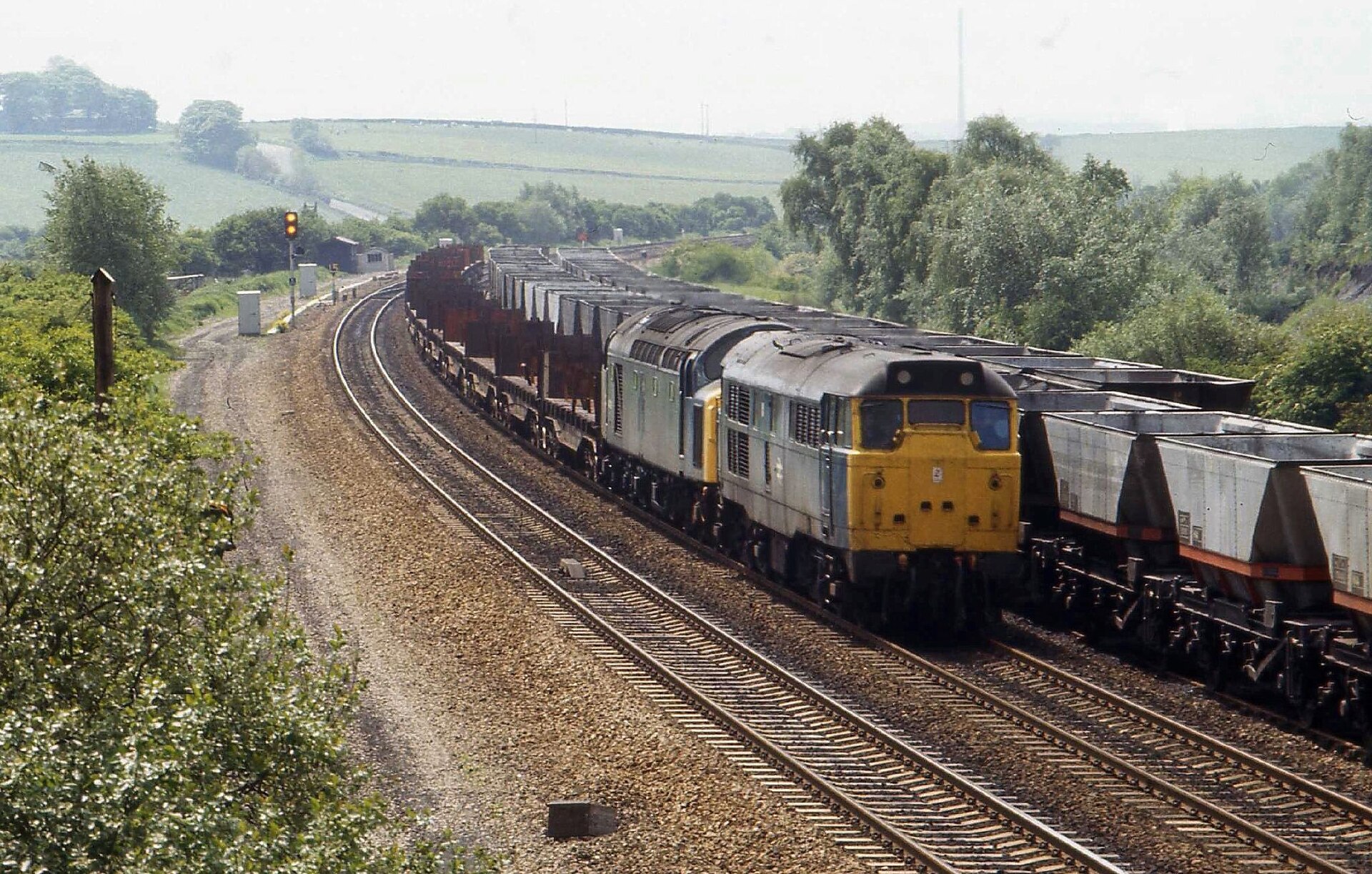
Renishaw Park Colliery was sunk in 1860 by J. and G. Wells, the Eckington coalowners who lived at Eckington Hall, and its first pit reached 265 yards. The colliery grew into a group of shafts in one pit yard — Nos. 1 and 2 working the Silkstone, or Blackshale, coal and No. 3 winding from the Sitwell and Chavery seams — and in the 1890s its pits employed over 900 men. An explosion in 1865 had already drawn the inspector's criticism of the ventilation and discipline, and on 10 January 1871 a blown-out shot fired while men were blasting down roof in an intake ignited firedamp, killing twenty-five men and two boys and injuring twelve (see Disasters, below). Wage disputes, including a pony drivers' strike that idled 1,000 men, and the company's Hopbrook and Hornthorpe pits nearby fill out its later story. By 1967 Renishaw Park was a drift mine: mechanisation in the early 1960s had lifted mechanised output above 96 per cent, and 500 men produced over 270,000 tons from the Chavery seam. It closed in 1989, the first of the last five Derbyshire collieries to go; the workshops were the only building left standing.
Geology
Coal Measures of the north Derbyshire field: the Silkstone or Blackshale coal, about three feet thick at the 1871 workings, and later the Sitwell and Chavery seams, the Chavery being the drift mine's seam by 1967.
Workings
Four shafts together in the pit yard with a fifth nearby: No. 1 to the Blackshale at 678 feet and No. 3 the main winding shaft, its pit bottom laid out in the Chavery. In 1871 the two Silkstone pits were ventilated by a split current from the downcast, with locked Clanny lamps and shot-firing. By 1967 it had become a drift mine, more than 96 per cent power-loaded.
Closure
Closed in 1989, the first of the last five Derbyshire collieries (Renishaw Park, Creswell, Bolsover, Markham and Shirebrook) to close.
What remains
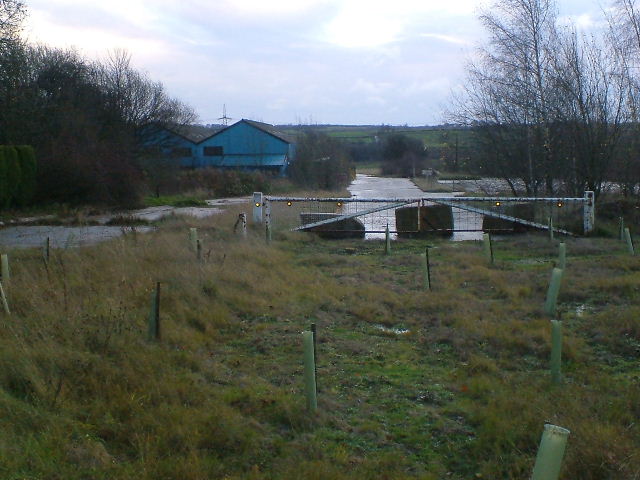
The colliery workshops were photographed in 2006 as the only remaining building, beside a landscaped site crossed by a gated track; the railway sidings that served it are gone.
The colliery workshops building.
Redevelopment
Unknown.
Related mines
- Westthorpe Colliery — Both worked by J. and G. Wells, the Eckington coalowners.
Nearby mines
- Eckington Mine — 2.1 km N
- Hartington Colliery — 2.2 km S
- Westthorpe Colliery — 2.6 km NE
- Speedwell Colliery, Staveley — 3.4 km S
- Ireland Colliery — 3.5 km S
Straight-line distance, within 15 km. Show on the map.
Disasters & major incidents
-
Renishaw Park Colliery explosion, 1871
1871 · Explosion · 26 fatalities
On the evening of 10 January 1871 a shot fired to blast down roof in an intake at J. and G. Wells's Renishaw Park Colliery near Eckington ignited firedamp. The explosion itself was small, but the ventilation carried its afterdamp two thousand yards into the No. 2 Pit; twenty-six or twenty-seven men and boys died and twelve were injured.
What's uncertain
Points where sources disagree or the record could not be settled; both accounts are kept. All open questions in the archive.
- The inspector's report as quoted by NMRS refers to 'the twenty-six lives' lost. (disputed) 3
Recorded claims
Individual factual claims, each attached to the source(s) that support it below. Where sources disagree, both are kept.
- The colliery was sunk in 1860 by J. and G. Wells; four shafts stood together in the pit yard, No. 1 at 678 feet to the Blackshale coal and No. 3 the main winding shaft. 1,2
- The inspector's report as quoted by NMRS refers to 'the twenty-six lives' lost. (disputed) 3
- By 1967 Renishaw Park was a drift mine; mechanisation from the early 1960s gave more than 96 per cent mechanised output, and 500 men produced over 270,000 tons from the Chavery seam (NCB leaflet). 1
- The Nos. 1, 2 and 3 pits employed 921 men in 1894; owners J. and G. Wells. 1
- Renishaw Park Colliery was the last pit to close in 1989, followed by Creswell (1991), Bolsover, Markham and Shirebrook (1993). 4
- The BGS/Mining Remediation Authority mine-plans catalogue holds plans under the name Renishaw Park. 5
Photographs & further reading
Shafts, seams and newspaper items on Renishaw Park and the Wells collieries nearby.
View sourceList of men killed at the colliery, including the 1871 explosion.
View sourceSources
- (secondary) Durham Mining Museum - Renishaw Park Colliery — Durham Mining Museum
- (secondary) Renishaw - oldminer.co.uk — oldminer.co.uk
- (secondary) Renishaw Park Colliery Explosion - Chesterfield - 1871 — Northern Mine Research Society
- (secondary) Renishaw | Visit Peak District & Derbyshire — Visit Peak District & Derbyshire
- (primary) BGS mine plans: Renishaw Park — British Geological Survey / Mining Remediation Authority
Record created: 21 September 2026 · Last researched: 21 September 2026