 MineArchive
Nantymwyn Mine
| Location | Pen Cerrig-mwyn, above Rhandirmwyn, Carmarthenshire — 52.0864, -3.7732 (exact) |
|---|---|
| Commodities | Lead, Zinc |
| Type | Metal |
| Worked | 1747–1932 |
| Operators | Lord Cawdor (1742–?) |
Overview
Nantymwyn, on the ridge above Rhandirmwyn in the upper Tywi valley, was one of the largest and most productive lead mines in south Wales — employing over 400 people at its Georgian peak under Lord Cawdor — before closing for good in 1932.
History
Mining at Nantymwyn is believed to date back to Roman times, with a documentary reference to a mining ‘royalty’ of one-eleventh of ore produced at Rhandirmwyn as early as 1304. Modern workings began around 1742–47 under the ownership of Lord Cawdor, reaching their heyday in the late 18th century under the resident agent Mr Rolley; by the 1770s Nantymwyn was the largest lead mine in south Wales, employing over 400 people, with a recorded annual output of around 4,000 tons of ore, and profits reputed to have earned its owner some £300,000. Total output over the mine's life is estimated at around 100,000 tons of lead ore. The artist John ‘Warwick’ Smith painted the mine twice in 1792; both works are now held by the National Library of Wales in Aberystwyth. Underground, ore was moved along narrow level communications in sharp, narrow boats of around 5 tons, which workers in places propelled by pushing their feet against the tunnel ceiling. After closing in 1830, the mine reopened three years later and continued working until 1902; further unsuccessful attempts to reopen it followed in 1915, 1923 and 1930–32, before it closed for good in 1932. A flotation mill built around 1929 by the Sulphide Corporation used chemical flotation to extract lead and zinc from ore in the mine's final years before its 1932 closure; its ruins survive on site. On 28 March 1892 an explosion while lowering dynamite down the shaft killed two miners, William Beswetherick and John Lewarne (see Disasters, below).
Geology
Lead and zinc in the hills above the Towy, worked since Roman times and by the 1770s the largest lead mine in south Wales.
Workings
Ore was moved underground in narrow, sharp boats of around 5 tons along level communications branching from the mine.
Closure
Unsuccessful attempts to reopen followed in 1915, 1923 and 1930-32, before the mine closed for good in 1932.
What remains
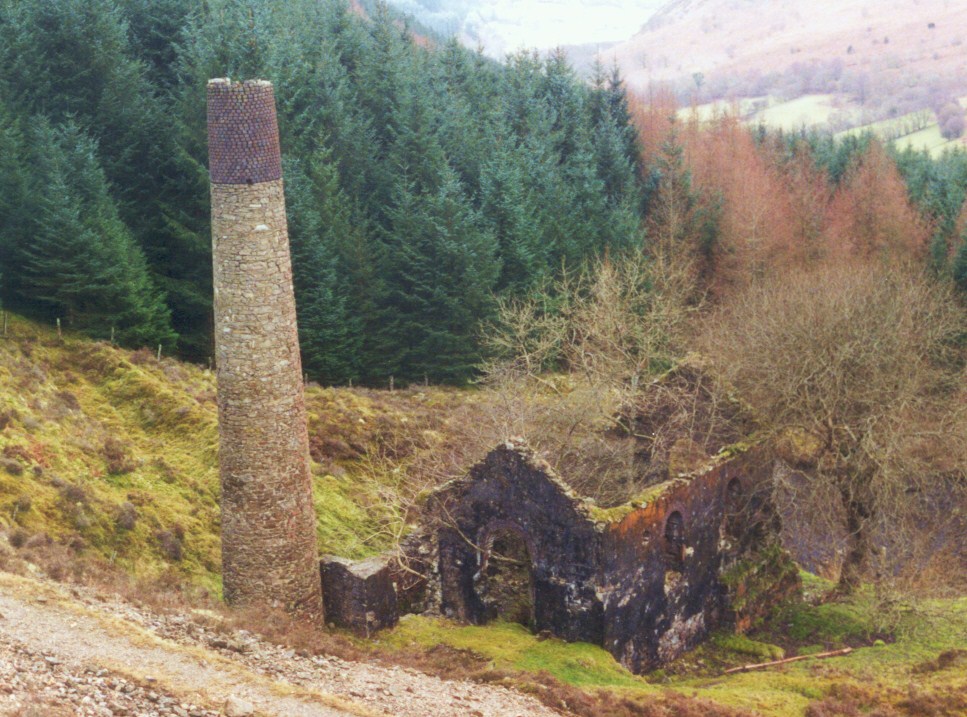
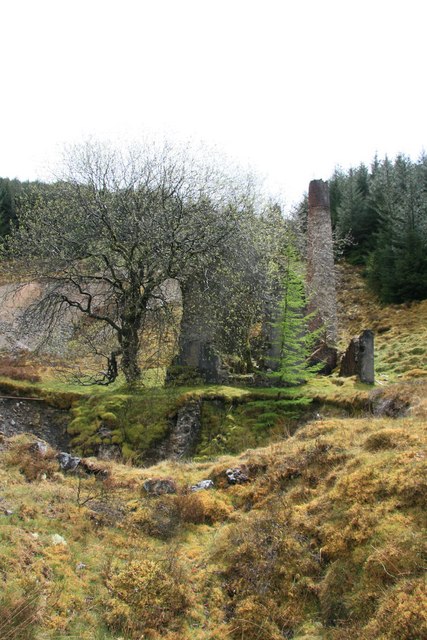
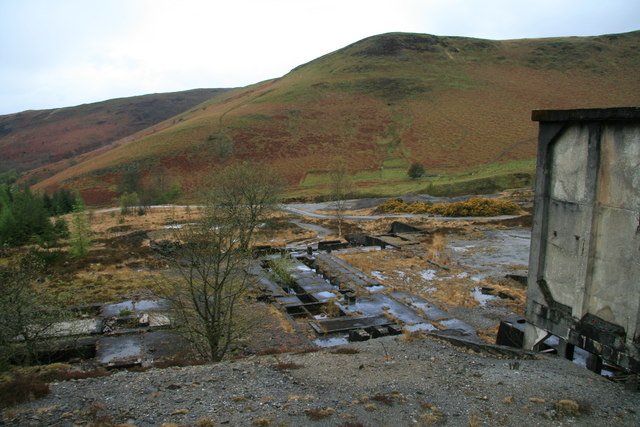
The site today survives as opencasts, ruined buildings and dressing floors on the ridge of Pen Cerrig-mwyn above Rhandirmwyn.
Nearby mines
- Dolaucothi Gold Mines — 8.1 miles (13.0 km) W
- Llanfair Lead and Silver Mine — 8.7 miles (14.0 km) W, Ceredigion
Straight-line distance, within 9 miles (15 km). Show on the map.
Disasters & major incidents
-
Nantymwyn dynamite explosion, 1892
28 March 1892 · Explosion · 2 fatalities
Two Cornish miners, William Beswetherick and John Lewarne, died after a box of gelatine dynamite they were handling caught fire and partly exploded underground — an incident that prompted a formal report to the Home Secretary by HM Inspector of Explosives.
Recorded claims
Individual factual claims, each attached to the source(s) that support it below. Where sources disagree, both are kept.
- A documentary reference records a mining ‘royalty’ of one-eleventh of ore produced at Rhandirmwyn as early as 1304. 1
- In the 1770s, Nantymwyn was the largest lead mine in south Wales, employing over 400 people, with a recorded annual output of around 4,000 tons of ore; the mine is reputed to have earned its owner some £300,000. 1
- The mine's total recorded output is estimated at around 100,000 tons of lead ore. 1
- The artist John ‘Warwick’ Smith painted Nantymwyn twice in 1792; both works are now held by the National Library of Wales, Aberystwyth. 2
- Ore was moved underground in narrow, sharp boats of around 5 tons, which workers in places propelled by pushing their feet against the tunnel ceiling. 2
- After closing in 1830, the mine reopened three years later and continued working until 1902; further unsuccessful attempts to reopen it followed in 1915, 1923 and 1930–32, before it closed for good in 1932. 1,2
- A flotation mill built around 1929 by the Sulphide Corporation used chemical flotation to extract lead and zinc from ore in the mine's final years; its ruins survive on site. 3
- On 28 March 1892 an explosion while lowering a box of dynamite down the shaft killed two miners, William Beswetherick and John Lewarne; full detail is covered on the disaster's own record. 3
Photographs & further reading
A local-history account of the mine's working life and its underground boat transport.
View sourceSources
- (secondary) Nant y Mwyn lead mine — Aspects of Wales
- (secondary) Nantymwyn lead mine — Rhandirmwyn.net
- (secondary) Nantymwyn lead mine - Tragedies and Obituaries — Rhandirmwyn.net
- (secondary) Nantymwyn lead mine - Dafydd Dafis — Rhandirmwyn.net
Record created: 19 August 2026 · Last researched: 30 August 2026