 MineArchive
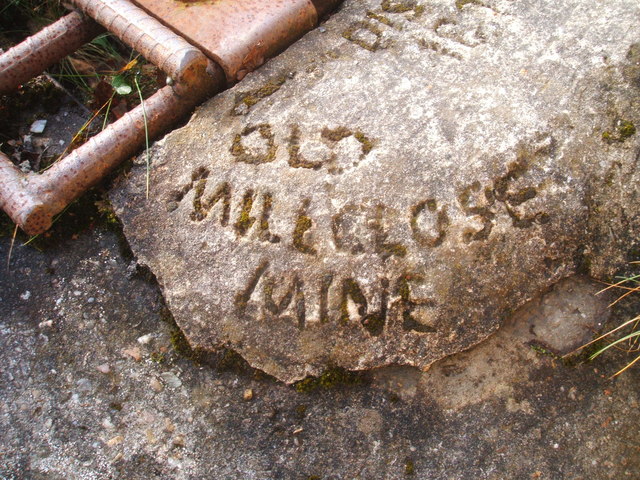
Millclose Mine
| Location | South Darley, near Wensley, Derbyshire — 53.1530, -1.6159 (exact) |
|---|---|
| Commodities | Lead, Zinc |
| Type | Metal |
| Worked | 17th century–1940 |
| Operators | E.M. Wass (1859–1940) |
Overview
Millclose, near Wensley in Derbyshire, was Britain's most productive lead mine — the last major lead mine worked in the Peak District — before catastrophic underground flooding forced its final closure in 1940.
History
Millclose was already old and nearly worked out by the late 1850s when E.M. Wass, owner of the nearby Lea Lead Works, reopened it in 1859, building a new Cornish pumping engine house — constructed 1859–60, with an engine supplied by Thornewill and Warham of Burton-on-Trent — at what became known as Watts' Engine Shaft. The original Cornish engine ceased work in the early 1870s, and a New Millclose Mine was opened around 450 metres to the northeast to work the pipe vein further north. Production peaked in the 1920s, and the mine went on to become the largest lead mine in Britain, yielding over 500,000 tons of lead ore and almost 100,000 tons of zinc ore over its working life, with a further roughly 140,000 tons recovered by reworking spoil heaps in the 1930s and 1940s. In 1938 the workings broke into what appears to have been an enormous natural underground water table; despite intensive pumping — water was reported entering at up to 2,000 litres a minute — the low market price of lead and the sheer cost of continued pumping made the mine uneconomic, and it finally closed in 1940.
Geology
Lead and zinc of the Derbyshire orefield, the largest lead mine in Britain, which yielded over 500,000 tons of lead ore; a new mine was opened about 450 metres north-east to follow the ground deeper.
Workings
Watts' Engine Shaft, sunk from the 1859–60 engine house, gave access to just one small section of the mine's extensive and important pipe-vein workings.
Closure
Millclose closed in 1940 after two years of fighting the 1938 flood; the low market price of lead compounded the immense cost of pumping to make continued working uneconomic.
What remains
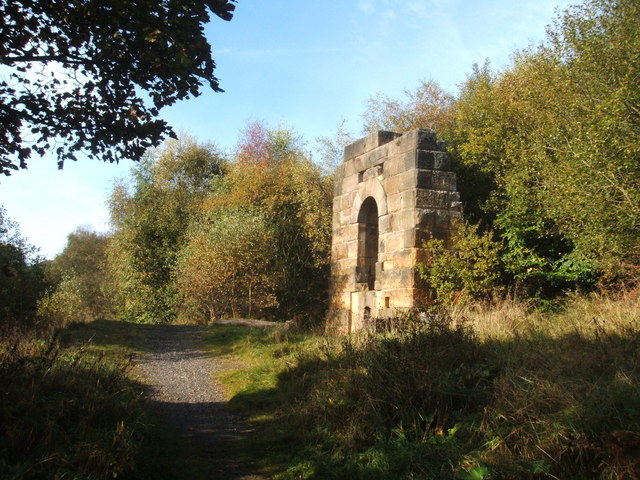
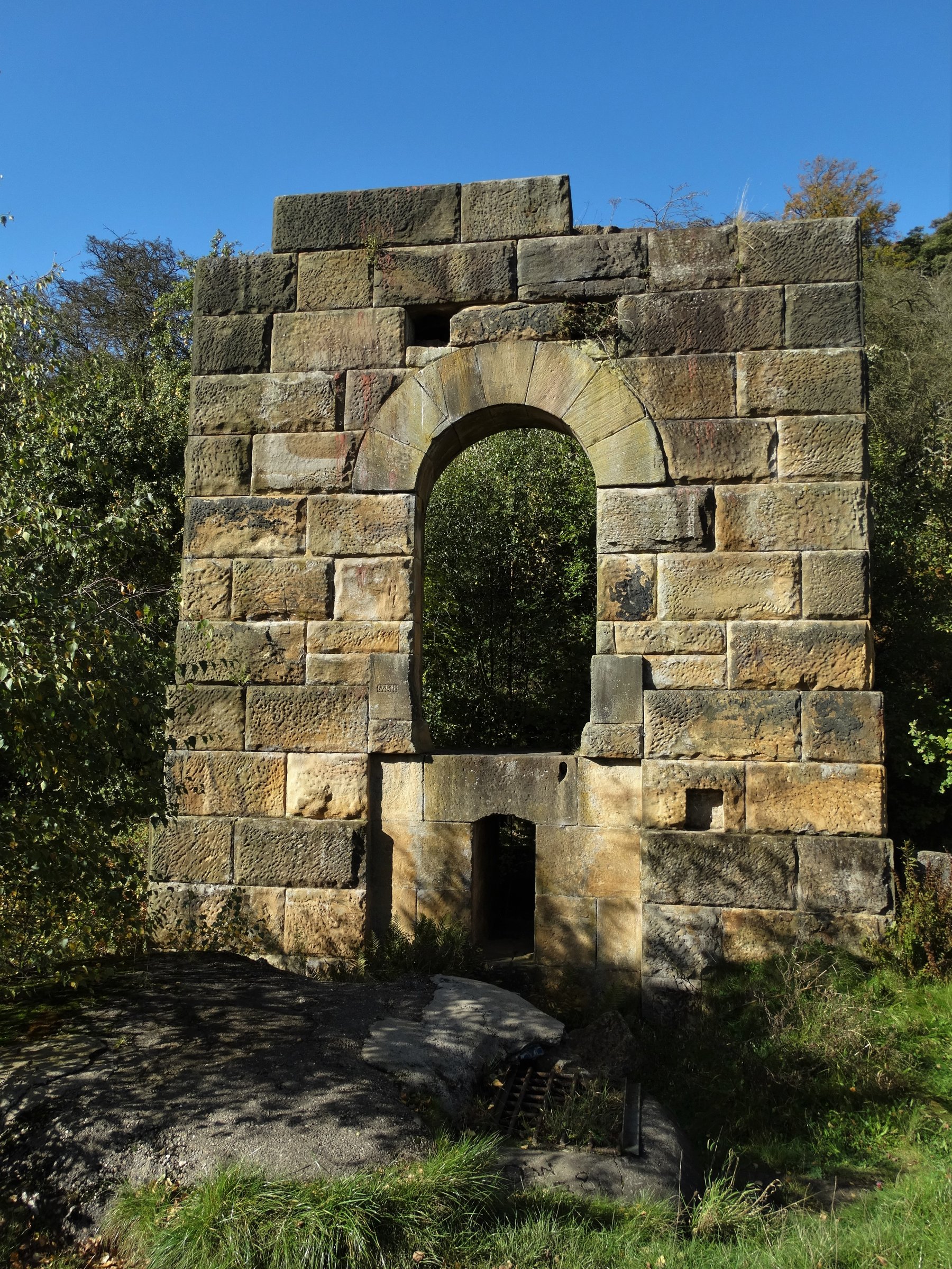
Surface remains at the original site include the ruined gritstone engine house — its ‘bob wall’, which supported the pumping beam, still stands to around 9 metres and 1.5 metres thick — along with winding house and boiler house foundations, a capstan site, and extensively reworked spoil hillocks; the site was designated a scheduled monument in 1979. Underground, nearly all of the mine is now flooded; the only currently navigable section runs along Yatestoop Sough from its tail to the former pumping shafts.
Nearby mines
- Mount Pleasant Lead Mines — 0.7 miles (1.1 km) SE
- Northern Dale Lead Mines — 1.0 miles (1.7 km) SE
- Hillcarr Sough — 1.2 miles (1.9 km) N
- Winster Pitts and Drummer's Venture — 1.2 miles (1.9 km) SW
- Winster Mines — 1.3 miles (2.0 km) SW
Straight-line distance, within 9 miles (15 km). Show on the map.
Disasters & major incidents
-
Mill Close Mine firedamp explosion
3 November 1887 · Explosion · 5 fatalities
Five miners died when a shot-firer's naked flame ignited firedamp gas that had already been detected and flagged as dangerous in the days before the blast.
Recorded claims
Individual factual claims, each attached to the source(s) that support it below. Where sources disagree, both are kept.
- Over its working life, Millclose produced more than 500,000 tons of lead ore and almost 100,000 tons of zinc ore, with a further roughly 140,000 tons recovered from reworking its spoil heaps during the 1930s and 1940s. 1
- In 1938 the workings broke into what appears to have been a large natural underground water table, with water reported entering the mine at up to 2,000 litres a minute; despite intensive pumping, the combined cost of pumping and the low market price of lead forced final closure in 1940. 1
- The engine house built in 1859–60 to house a Cornish pumping engine supplied by Thornewill and Warham of Burton-on-Trent survives as a ruin, its gritstone ‘bob wall’ — which supported the pumping beam — still standing to around 9 metres. 2
- The mine site was designated a scheduled monument on 18 April 1979. 2
- Nearly all of the mine is now flooded; the only section currently navigable runs along Yatestoop Sough from its tail to the former pumping shafts. 3
Sources
- (secondary) Millclose Mine — Derbyshire Heritage
- (secondary) Old Millclose Mine — Wikipedia
- (observational) Millclose Mine — Peak District Caving
Record created: 19 August 2026 · Last researched: 30 August 2026