 MineArchive
Merthyr Vale Colliery
| Location | Aberfan, Rhondda Cynon Taf — 51.6906, -3.3417 (exact) |
|---|---|
| Commodity | Coal |
| Type | Coal |
| Worked | 1869 (sinking)–1989 |
| Maximum depth | 542 yards |
| Operators | Powell Duffryn Steam Coal Company (1930–1947) |
Overview
Once the biggest colliery in the South Wales Coalfield, whose waste tips, built on a hillside above the village of Aberfan, collapsed in 1966 in one of the worst disasters in British history.
History
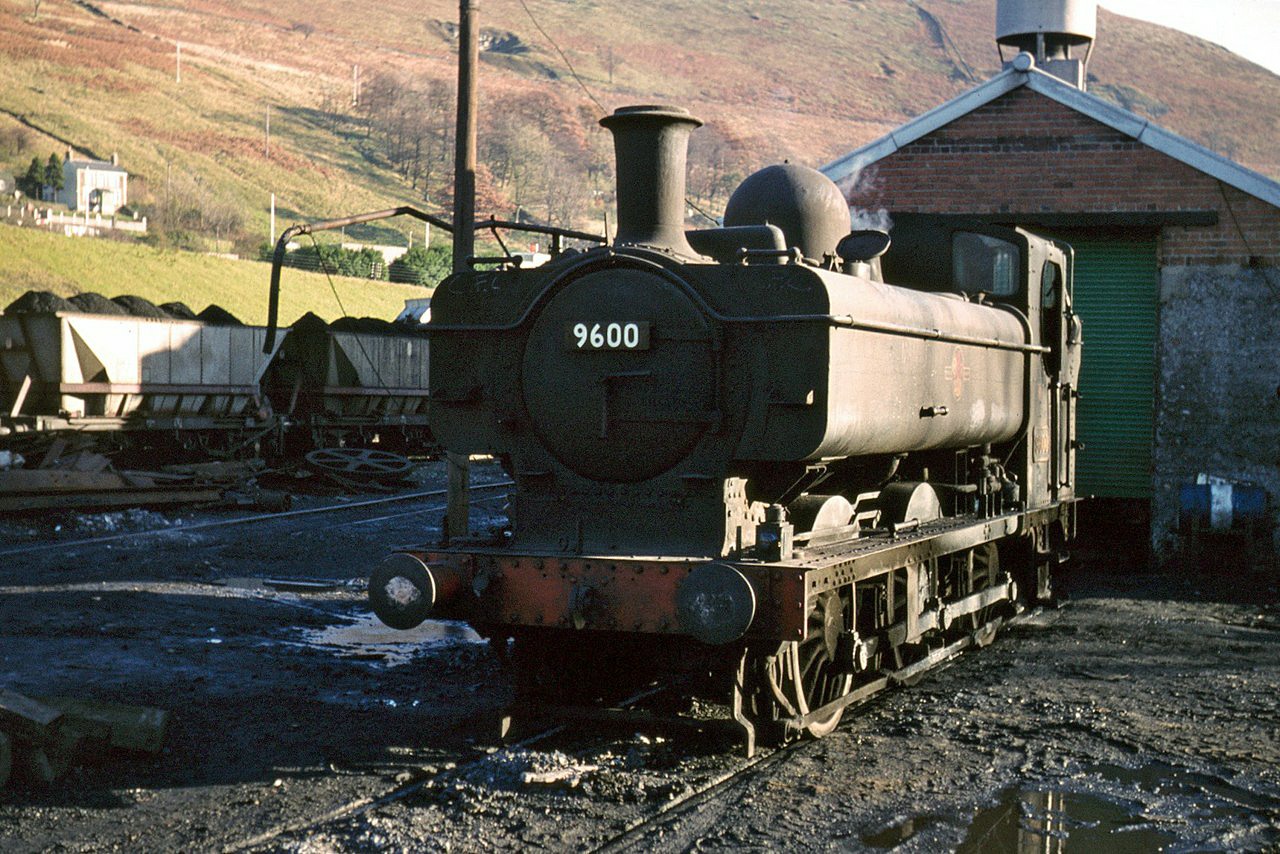
John Nixon, of Nixon, Taylor and Co., began sinking Merthyr Vale No. 1 in 1869; the River Taff had to be diverted before work could begin, and the colliery opened in 1875. A second shaft, Merthyr Vale No. 2, was sunk to the same depth of 542 yards. By 1896 the colliery employed 1,145 men and boys underground at No. 1 and 845 at No. 2, with a further 233 on the surface, and by 1918 the total workforce had grown to 2,565, making Merthyr Vale the biggest colliery in the South Wales Coalfield. Ownership passed to the Powell Duffryn Steam Coal Company in the early 1930s, and then to the National Coal Board on nationalisation in 1947. Coal working on this scale produced huge quantities of waste, tipped on the hillside above the neighbouring village of Aberfan. On the morning of 21 October 1966, after three weeks of heavy rain, one of these waste tips — built, unknown to those overseeing it, over natural springs already marked on maps since 1874 — became saturated with water and underwent a sudden liquefaction failure, sending around 140,000 cubic yards of colliery waste down the hillside as a fast-moving slurry. It engulfed part of the village below, including Pantglas Junior School, killing 144 people, 116 of them children. The Tribunal of Inquiry that followed placed the blame squarely on the National Coal Board, and the disaster led directly to new national tip-safety legislation. Merthyr Vale continued working for a further 23 years after the disaster before finally closing on 25 August 1989, one of the last collieries to close in the South Wales Coalfield.
Geology
Merthyr Vale worked coal seams of the South Wales Coalfield; its waste tips were built on the hillside above Aberfan, ground later found to conceal natural springs already recorded on maps from 1874 onward.
Workings
Coal was raised via twin shafts, Merthyr Vale No. 1 and No. 2, each sunk to a depth of 542 yards.
Closure
Merthyr Vale closed on 25 August 1989, one of the last working collieries in the South Wales Coalfield.
What remains
The colliery site has been redeveloped; the former tip site above Aberfan has been landscaped, and a memorial garden on the site of Pantglas Junior School commemorates the disaster's victims.
Little of the colliery survives above ground; the former tip has been regraded and landscaped, and a memorial garden marks the site of Pantglas Junior School in Aberfan.
Related mines
- Deep Duffryn Colliery — Nixon left the Cynon Valley to sink Merthyr Vale after developing Deep Duffryn and Nixon's Navigation.
Nearby mines
- Perthyglisson Colliery — 1.3 miles (2.1 km) NW, Merthyr Tydfil
- Cwm Cynon Colliery — 1.5 miles (2.4 km) SW
- Nixon's Navigation Colliery — 1.6 miles (2.5 km) SW
- Nantwen Colliery — 1.6 miles (2.6 km) E, Merthyr Tydfil
- Deep Duffryn Colliery — 1.8 miles (2.8 km) W
Straight-line distance, within 9 miles (15 km). Show on the map.
Disasters & major incidents
-
Merthyr Vale Colliery runaway journey, 1900
March 1900 · Haulage / Transport · 2 fatalities
In March 1900 a journey of trams broke away from its rope at Merthyr Vale Colliery and ran back into two men walking out at the end of their shift, killing both. -
Merthyr Vale Colliery runaway journey, 1903
January 1903 · Haulage / Transport · 2 fatalities
On a Saturday afternoon in January 1903 the last full journey of the shift came off the road in No. 1 Pit, Merthyr Vale, and killed two colliers who were walking out along the haulage road. -
Aberfan disaster, 1966
21 October 1966 · Surface / Tip Failure · 144 fatalities
A saturated colliery waste tip above the village of Aberfan collapsed as a liquefied slurry on the morning of 21 October 1966, engulfing Pantglas Junior School and nearby houses and killing 144 people, 116 of them children — one of the deadliest disasters in British history and a direct consequence of how the colliery's own waste tips had been sited and managed.
Culture
- Aberfan Memorial Garden (Art)
The garden marks the site of Pantglas Junior School, buried by a Merthyr Vale Colliery waste tip in 1966.
Recorded claims
Individual factual claims, each attached to the source(s) that support it below. Where sources disagree, both are kept.
- John Nixon began sinking Merthyr Vale No. 1 in 1869, requiring the River Taff to be diverted first; the colliery opened in 1875 and, with a second shaft sunk to the same 542-yard depth, grew into the biggest colliery in the South Wales Coalfield, employing 2,565 men and boys by 1918. 1
- On 21 October 1966 one of the colliery's waste tips, saturated by weeks of heavy rain and built over unmapped natural springs, collapsed as a liquefied slurry onto the village of Aberfan below, killing 144 people including 116 children at Pantglas Junior School. 2
- Merthyr Vale Colliery closed on 25 August 1989, one of the last working collieries in the South Wales Coalfield. 1,3
Sources
- (secondary) Merthyr Vale Colliery — Welsh Coal Mines
- (secondary) Aberfan disaster — Wikipedia
- (secondary) Merthyr Vale Colliery — Moving Mountains
Record created: 21 August 2026 · Last researched: 21 August 2026