 MineArchive
Aberfan disaster, 1966
A saturated colliery waste tip above the village of Aberfan collapsed as a liquefied slurry on the morning of 21 October 1966, engulfing Pantglas Junior School and nearby houses and killing 144 people, 116 of them children — one of the deadliest disasters in British history and a direct consequence of how the colliery's own waste tips had been sited and managed.
| Date | 21 October 1966 |
|---|---|
| Mine | Merthyr Vale Colliery |
| Region | Rhondda Cynon Taf |
| Type | Surface / Tip Failure |
| Fatalities | 144 (116 children (most aged 7 to 10) and 28 adults died; 109 of the children died inside Pantglas Junior School, along with five of their teachers.) |
| Injuries | 35 further people were injured. |
| Context | During active mining |
Cause
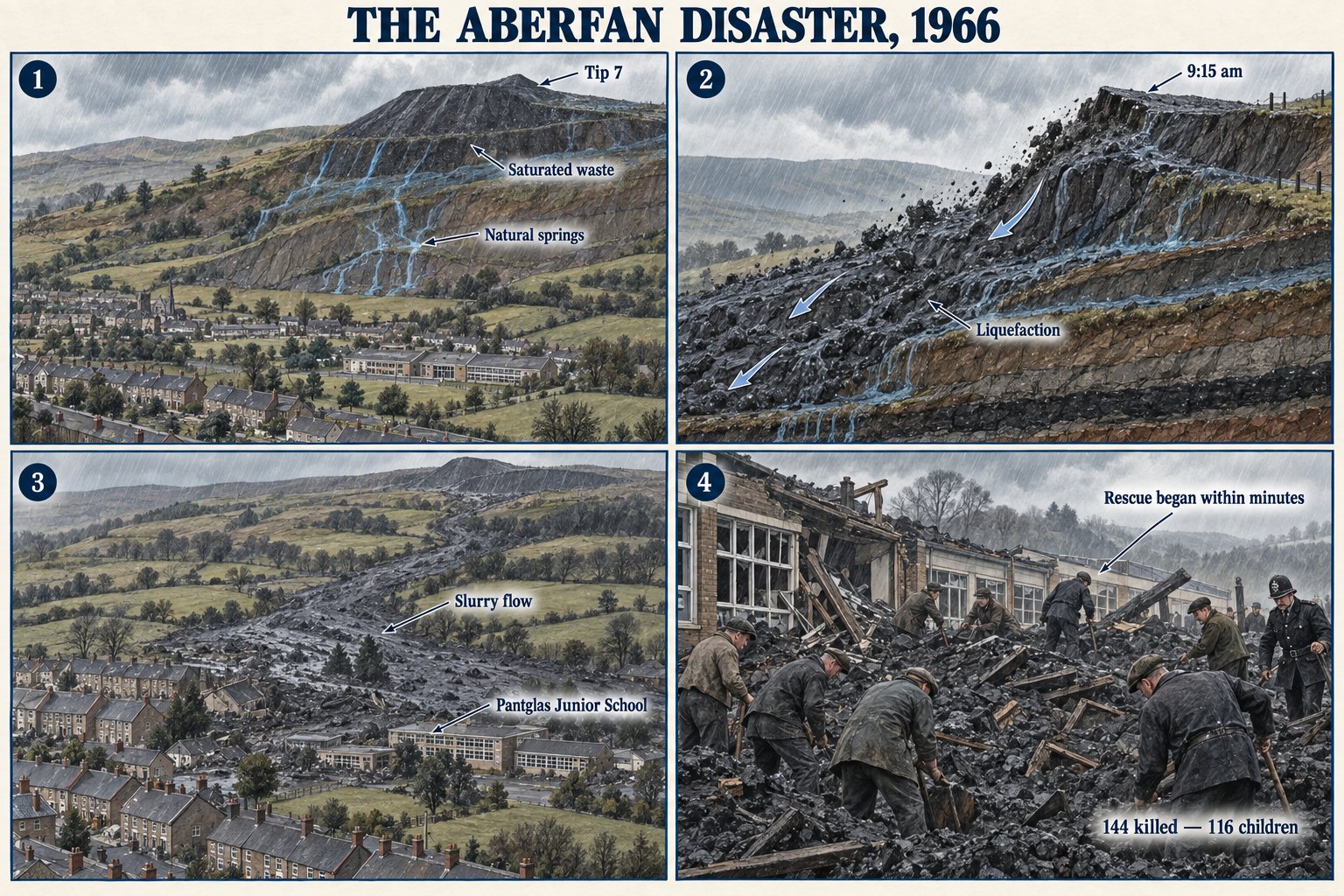
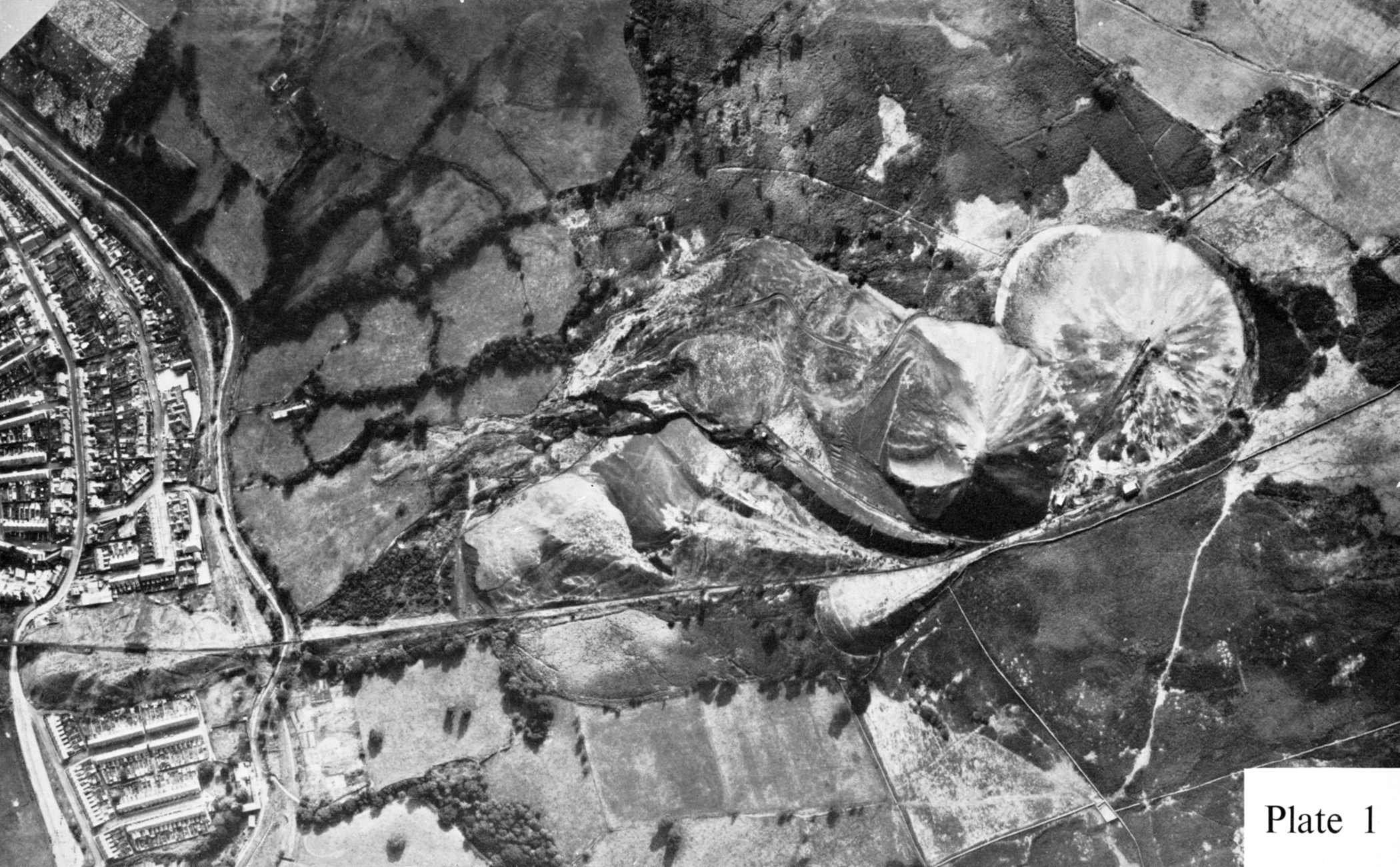
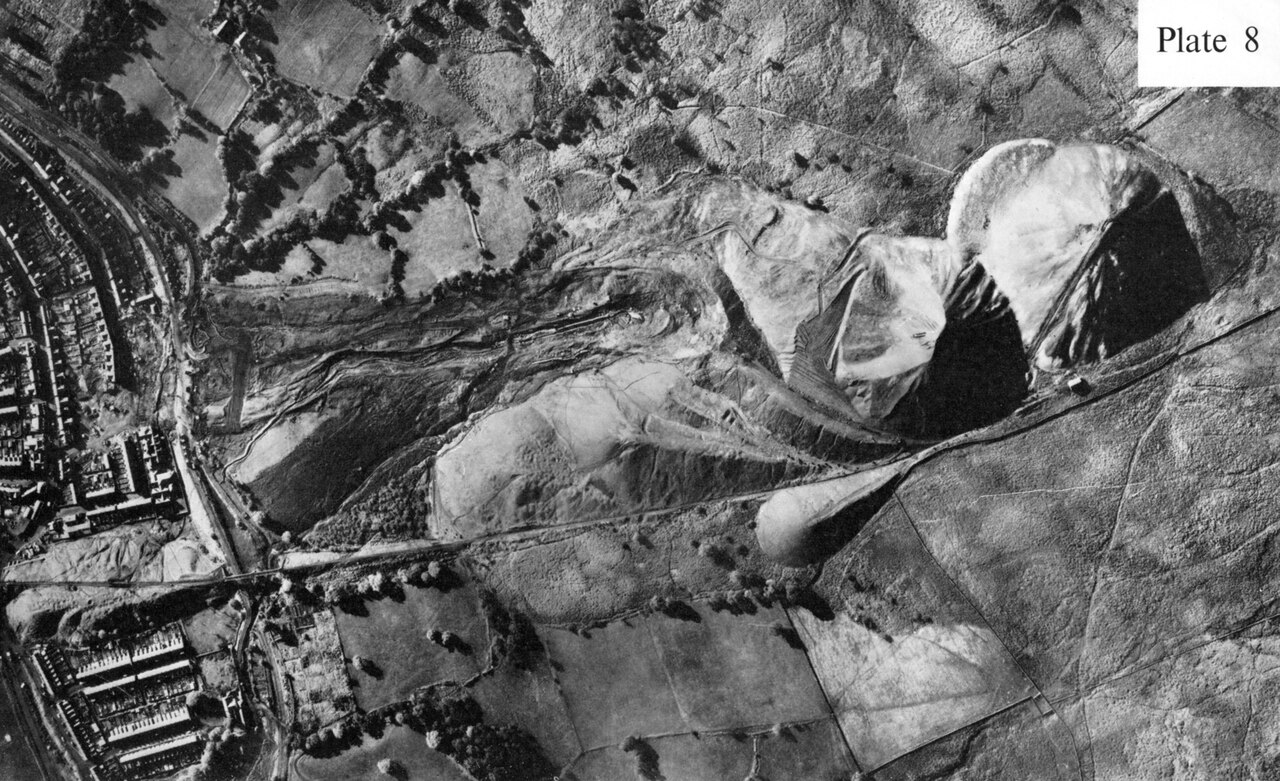
Tip 7, one of Merthyr Vale Colliery's waste tips on the hillside above Aberfan, had become saturated by three weeks of exceptionally heavy rainfall (some 6.5 inches in early October 1966) and was built in part over natural springs that had already been marked on maps since 1874; the saturated waste underwent a sudden liquefaction failure, turning from a solid tip into what investigators later described as behaving like a heavy liquid.
Contributing factors
The National Coal Board had continued tipping on the site despite the presence of springs shown on long-available maps, and no system existed at the time for formally assessing or monitoring the stability of colliery waste tips, which fell entirely outside the mine-safety regulation that already covered underground workings.
What happened
At around 9:15am on 21 October 1966, approximately 140,000 cubic yards of colliery waste from Tip 7 descended the hillside above Aberfan as a fast-moving slurry, in waves some 20 to 30 feet high travelling at an estimated 11 to 21 miles per hour. The slurry engulfed Pantglas Junior School, two farm cottages and eighteen houses in the village below. In total 144 people died: 116 children, most aged between seven and ten, and 28 adults, with 109 of the children and five teachers dying inside the school itself.
Rescue & recovery
Local residents began digging by hand within minutes, and miners from the colliery, experienced in the dangers of moving spoil, provided expert guidance on how to excavate safely. The first casualties reached hospital by 9:50am, but no further survivors were found after 11am that morning, and recovery of all the bodies was not completed until 28 October. Thousands of volunteers travelled to Aberfan to help, though the search authorities later found their sheer numbers often hindered the smaller number of genuinely experienced rescue workers.
Investigation & inquiry
A Tribunal of Inquiry, chaired by Lord Justice Edmund Davies, opened on 26 October 1966 and sat for 76 days, examining evidence from 136 witnesses and 300 exhibits before reporting in 1967. It placed the blame for the disaster squarely on the National Coal Board, finding 'ignorance, ineptitude and a failure in communications' at the root of the failure, and censured nine named NCB staff with varying degrees of responsibility. The Board's chairman, Lord Robens, had publicly stated that nobody could have known of a spring inside the tip site; the Tribunal found this directly contradicted by maps recording the springs since 1874. No criminal prosecution was ever brought against the National Coal Board or any individual.
Legal & regulatory aftermath
Of the £1.75 million raised by public donation for the disaster fund, £150,000 (reduced from an initially proposed £250,000) was controversially taken from the fund to help pay for removing the colliery's six remaining tips, alongside £350,000 from the NCB and the remainder from government, out of an £850,000 total removal cost. That £150,000 was repaid to the fund by the Secretary of State for Wales in 1997, without inflation adjustment; in February 2007 the Welsh Government separately donated £1.5 million to the Aberfan Memorial Charity and £500,000 to the Aberfan Education Charity.
Changes to practice & legislation
The disaster led directly to the Mines and Quarries (Tips) Act 1969, extending statutory safety regulation to colliery waste tips for the first time — previously only the underground workings themselves had been regulated — followed by the Mines and Quarries (Tips) Regulations 1971 governing tip construction and inspection in detail. Lord Robens went on to chair the 1972 committee on health and safety at work whose recommendations led to the Health and Safety at Work etc. Act 1974 and the creation of the Health and Safety Executive.
Memorials & commemoration
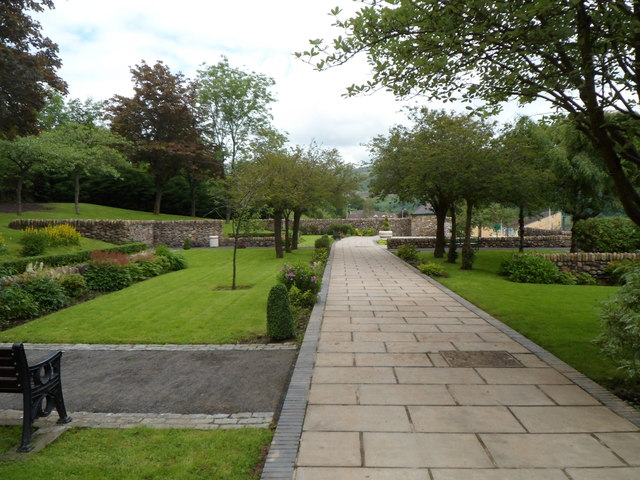
A memorial garden on the site of the former Pantglas Junior School commemorates the disaster's victims in Aberfan.
Related terminology
Mining terms this disaster is structurally linked to, with the nature of the relationship.
- Coal (contextual relationship)
Linked on an exact-phrase match in this record's own text. - Colliery (contextual relationship)
Named 8 times in this record, first in the summary: “A saturated colliery waste tip above the village of Aberfan collapsed as a liquefied…” - National Coal Board (contextual relationship)
Named 4 times in this record, first in the investigation: “…in 1967. It placed the blame for the disaster squarely on the National Coal Board, finding 'ignorance, ineptitude and a failure in communications' at…” - Spoil Heap (direct cause)
The collapse of Merthyr Vale Colliery's Tip 7 as a saturated slurry was the direct cause of the disaster.
Sources
- (primary) Aberfan Disaster (Tribunal) (Hansard, 25 October 1966) — UK Parliament (Hansard)
- (secondary) Aberfan Disaster - Merthyr Tydfil - 1966 — Northern Mine Research Society
- (secondary) Aberfan Disaster Tribunal — Wikipedia
- (secondary) Aberfan disaster — Wikipedia
- (secondary) Aberfan disaster — Encyclopaedia Britannica
- (secondary) Learning Lessons From The Aberfan Disaster — Institution of Civil Engineers
Record created: 21 August 2026 · Last researched: 21 August 2026