 MineArchive
Foxdale Mines
| Location | Foxdale, Isle of Man — 54.1693, -4.6394 (exact) |
|---|---|
| Commodities | Lead, Silver, Zinc |
| Type | Metal |
| Worked | 1724–1911 |
| Maximum depth | Beckwith Shaft, 230 fathoms (1,380 ft / about 421 m) |
| Operators | Isle of Man Mining Company (1828–1911) |
Overview
Foxdale was, in the 19th century, one of the richest ore-mining districts in the British Isles — for a time the Isle of Man produced more zinc than every other mine in Britain combined. All the scattered Foxdale workings were worked by a single company, the Isle of Man Mining Company, until falling prices and cheap imported ore forced closure in 1911.
History
The earliest recorded mining anywhere on the Isle of Man dates to 1246, when the Norse King Harald II granted the monks of Furness Abbey a charter to work a mine. It's said that a London company worked the Foxdale lodes early in the 18th century, and Lord Derby granted permission for renewed extraction in 1724, but by 1819 the mines were reported abandoned with no prospect of revival. They were reopened in 1823 by Michael Knott of Kendal, and the Isle of Man Mining Company — formed by a group of Chester-based investors — went on to work the whole spread-out Foxdale district as a single operation from 1828.
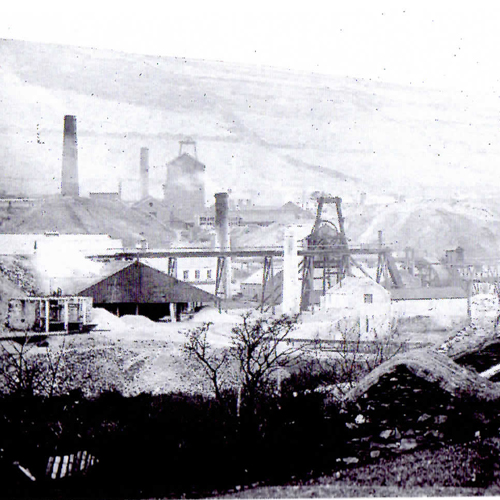
The district's mid-19th-century productivity was remarkable: lead was the most important ore, but Foxdale also produced more zinc blende than all other mines in Britain combined at points during the period, along with some silver. The Beckwith Shaft, sunk in 1849, eventually reached 230 fathoms (1,380 ft) and alone yielded 50,000 tons of lead ore worth around £750,000. Production and profitability declined through the later 19th century as cheaper imported ore from Spain and Australia undercut prices, and the mines finally closed on 28 July 1911. A later company briefly reprocessed old spoil for residual lead between 1955 and 1958, but this too ceased as prices fell again.
Geology
The mineralised zone runs broadly east–west across the Isle of Man, from Elerslie mine near Crosby to Niarbyl on the coast near Dalby, with the main Foxdale workings concentrated around the village of that name.
Geological setting: Veins and Lodes (well documented example)
Workings
Workings reached at least 230 fathoms (1,380 ft, about 421 m) at the Beckwith Shaft, sunk in 1849 and the district's principal working.
Closure
The mines closed on 28 July 1911 once falling lead and zinc prices, undercut by cheaper imported ore, made continued working uneconomic — not because the ore itself had run out.
What remains
A brief attempt to reprocess old spoil for residual lead took place between 1955 and 1958, yielding around £60,000 in 1956 before falling prices ended the venture too.
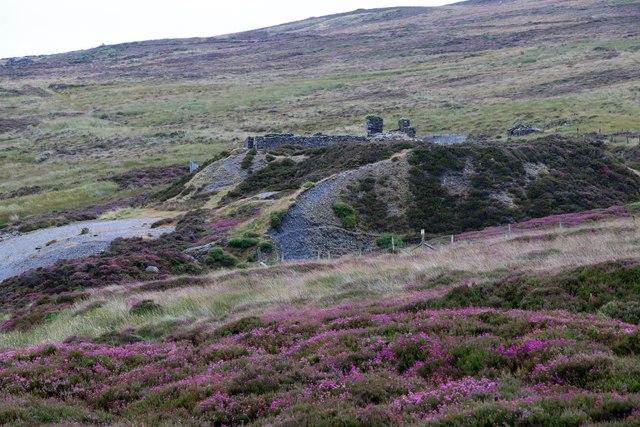
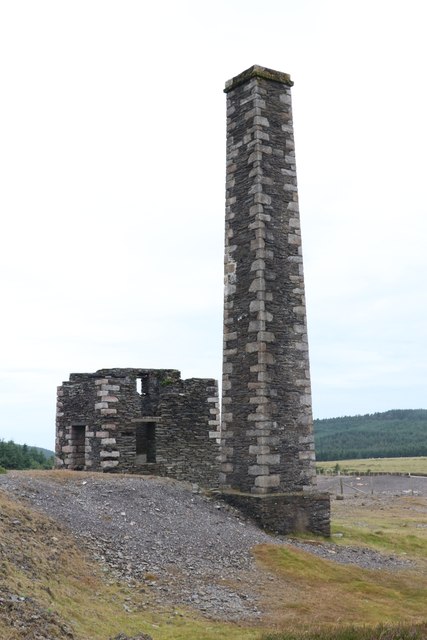
Surface remains of the mining district survive around the village, including old shafts and spoil.
Redevelopment
No major redevelopment has taken place at the site since mining ended.
Related mines
- Beckwith Mine — Beckwith was the westernmost and richest of the Foxdale group of mines.
- Glen Rushen Mines — Mining at Glen Rushen began in 1831 with miners drafted in from the nearby Foxdale mines.
Nearby mines
- Glen Rushen Mines — 1.7 miles (2.7 km) NW
- Beckwith Mine — 2.3 miles (3.7 km) NE
- Cross Vein Mine — 2.3 miles (3.7 km) NE
- Elerslie Mine — 4.4 miles (7.1 km) NE
- Ballacorkish Mine — 5.0 miles (8.0 km) S
Straight-line distance, within 9 miles (15 km). Show on the map.
Disasters & major incidents
-
Snaefell Mine disaster
10 May 1897 · Gas / Asphyxiation · 20 fatalities
Timber left smouldering underground filled the mine's shafts with carbon monoxide; miners descending on the morning shift were overwhelmed before they realised the danger. Sources give the death toll as 19-23.
What's uncertain
Points where sources disagree or the record could not be settled; both accounts are kept. All open questions in the archive.
- At points during the mid-19th century Foxdale produced more zinc blende than all other mines in Britain combined. (uncertain) 1
Recorded claims
Individual factual claims, each attached to the source(s) that support it below. Where sources disagree, both are kept.
- At points during the mid-19th century Foxdale produced more zinc blende than all other mines in Britain combined. (uncertain) 1
- The BGS catalogue holds a combined abandonment sheet filed under Foxdale together with the Bawdens, Beckwiths, Maghies and Potts setts — the constituent workings the Isle of Man Mining Company ran as one operation. 2
- Foxdale's connection to the 1897 Snaefell disaster is one of rescue, not ownership: Snaefell was leased to the separate Snaefell Mining Company Limited, but Foxdale's manager Captain W. H. Kitto gave advice and assistance, and volunteers from Foxdale were summoned by telegraph to help. 3
Photographs & further reading
A local heritage centre with further material on the district's mining history.
View sourceFurther freely-licensed photographs of the surviving mine shafts and surrounding village.
View sourceSources
- (secondary) Foxdale Mines — Wikipedia
- (primary) Foxdale mine plans (BGS catalogue) — British Geological Survey
- (secondary) Snaefell Lead Mine Accident - Laxey - 1897 — Northern Mine Research Society
- (secondary) Book 8 Chapter 3: 'Mining', A History of the Isle of Man — A.W. Moore, Manx Notebook
Record created: 19 August 2026 · Last researched: 28 August 2026