 MineArchive
Dunnet Mine
| Also known as | Sandholes Mine, Dunnet or Sandholes Mine |
|---|---|
| Location | Within the former Broxburn Oil Works, north-east of Broxburn, West Lothian — 55.9417, -3.4638 (approximate) |
| Commodity | Oil Shale |
| Type | Mineral |
| Worked | After 1896 and before 1916–1927 |
| Operators | Broxburn Oil Company Ltd (?–1927, owner) — Owner (Scottish Shale; DMM b332); gave notice of abandonment in May 1927 Scottish Oils Ltd (owner) — The combine that took in the Broxburn company; its managing director reported on the mine in 1924-25 (Scottish Shale) |
Overview
A pair of steep inclined adits driven from the heart of Broxburn Oil Works to the Dunnet Shale beneath the town of Broxburn, worked by the Broxburn Oil Company until the strike of 1925 and abandoned in 1927.
History
Dunnet Mine, also known as Sandholes Mine, was opened by the Broxburn Oil Company at some time between 1896 and 1916 from a site in the heart of its Broxburn Oil Works. A pair of adits inclined at 1 in 2.5 tunnelled beneath the existing works buildings and, as a cross-cut mine, drove through barren ground to reach seams of Dunnet Shale lying to the south, beneath the town. In 1910 the mine was described as about a quarter of a mile north-east of Broxburn and only some 160 yards from the company's breakers and retorts, powered chiefly by electricity from a station beside the works boilers. It employed 217 people in 1915 and about 305 in 1920 and 1923.
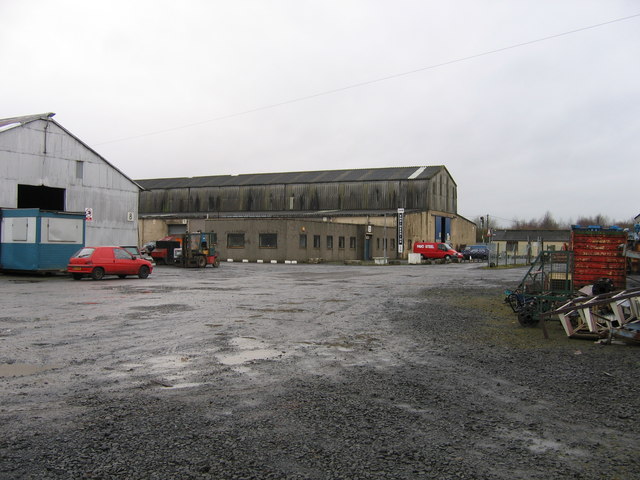
In 1924 poor places were being abandoned and the height of the workings restricted to keep up the quality of the shale. From the end of that year two levels were driven from Dunnet Mine through the stoops to reopen the old, badly fallen workings of Newliston No. 29 Mine, and the two were linked; there may also have been a connection with Pyothall No. 5 Pit. After a four-week strike at the end of 1925 against a ten per cent cut in rates and wages, the mine and works stayed shut with only care and maintenance men, and in May 1927 the company gave notice that Dunnet Mine, the Albyn crude oil works and the Broxburn refinery would not reopen. The Dunnet Shale workings were abandoned that year. The site is now 1950s industrial buildings and derelict ground.
Geology
The Dunnet Shale south of the works, beneath the town of Broxburn, in the Broxburn district.
Workings
Two adits inclined at 1 in 2.5 from within Broxburn Oil Works, driven as a cross-cut mine through barren ground to the Dunnet Shale; electric power from the works station; linked about 1925 with the workings of Newliston No. 29 Mine.
Closure
Shut by the strike at the end of 1925 and never reopened; notice of abandonment was given in May 1927.
What remains
Industrial buildings of the 1950s and derelict ground.
Related mines
- Broxburn Oil Works — Dunnet Mine's adits were driven from inside Broxburn Oil Works, which its shale supplied.
- Newliston No. 29 Mine — Levels driven from Dunnet Mine reopened Newliston No. 29's old workings about 1925, linking the two mines.
Nearby mines
- Hopetoun No. 44 Mine — 0.4 miles (0.7 km) N
- Broxburn Oil Works — 0.6 miles (0.9 km) SW
- Haycraigs Mines — 0.6 miles (1.0 km) NW
- Hopetoun No. 5 Pit — 0.9 miles (1.4 km) NW
- Hopetoun No. 6 (Glendevon) Mines — 1.6 miles (2.5 km) NW
Straight-line distance, within 9 miles (15 km). Show on the map.
Recorded claims
Individual factual claims, each attached to the source(s) that support it below. Where sources disagree, both are kept.
- Two adits inclined at 1 in 2.5 were driven from within Broxburn Oil Works, through barren ground, to the Dunnet Shale beneath Broxburn. 1
- Dunnet Mine employed 217 in 1915, 306 in 1920 and 305 in 1923. 2
- From late 1924 levels were driven from Dunnet Mine to reopen the old workings of Newliston No. 29 Mine, and the two were linked. 1
- The mine stayed closed after the strike of late 1925 and was abandoned in 1927. 1,3
Photographs & further reading
The Museum of the Scottish Shale Oil Industry's page for this mine, with maps, plans, site photographs and newspaper extracts.
View sourceSources
- (secondary) Dunnet or Sandholes mine (Scottish Shale, Museum of the Scottish Shale Oil Industry) — Almond Valley Heritage Trust
- (primary) Broxburn (Oil Shale) (Durham Mining Museum) — Durham Mining Museum
- (primary) BGS mine plan: DUNNET SANDHOLE, Dunnet seam, abandoned 1927 — British Geological Survey / Mining Remediation Authority
Record created: 26 October 2026 · Last researched: 26 October 2026