 MineArchive
Bryn Hall Colliery
| Location | Bryn, Ashton-in-Makerfield, Greater Manchester — 53.5068, -2.6324 (approximate) |
|---|---|
| Commodity | Coal |
| Type | Coal |
| Worked | 1859–1945 |
| Maximum depth | 178 yards (1873) |
| Operators | Smith and Sons (1859–1864), Crippin and Sons (1866–1892) |
Overview
A colliery on Sir Robert Gerard's estate at Bryn, Ashton-in-Makerfield, worked from 1859 and owned by the Crippin family for most of the 19th century. Explosions killed twenty in 1870 and six in 1873; it employed 550 in 1908 and closed in 1945.
History
Smith and Sons worked Bryn Hall from 1859 to 1864. In 1866 it passed to Crippin and Smethurst, Smethurst leaving the partnership a year later, and the Crippins held it under a succession of family styles: Crippin and Sons in 1868, William and J. B. Crippin in the early 1870s, William and E. F. Crippin from 1875 to 1886 and E. F. and H. H. Crippin until 1892. The colliery stood on Sir Robert Gerard's estate near Bryn station on the Lancashire Union Railway, about four miles from Wigan.
Two shafts, 178 yards deep and eleven and twelve feet across, reached the Five Feet, Four Feet and Wigan Nine Feet seams, worked by pillar and stall and ventilated by a furnace. The Nine Feet coal was so hard that the men blasted it with heavy charges without cutting it first, and on 19 August 1870 a blown-out shot fired gas there and killed twenty. By 1873 250 men worked by day; shots were fired at night on the inspector's direction, and when the pit exploded again at 12.20 a.m. on 2 June 1873 the dead were six: the furnaceman and five shotlighters. Both headgears were wrecked. William Crippin was then sinking new pits; Peter Higson junior was viewer and Frederick Crippin manager.
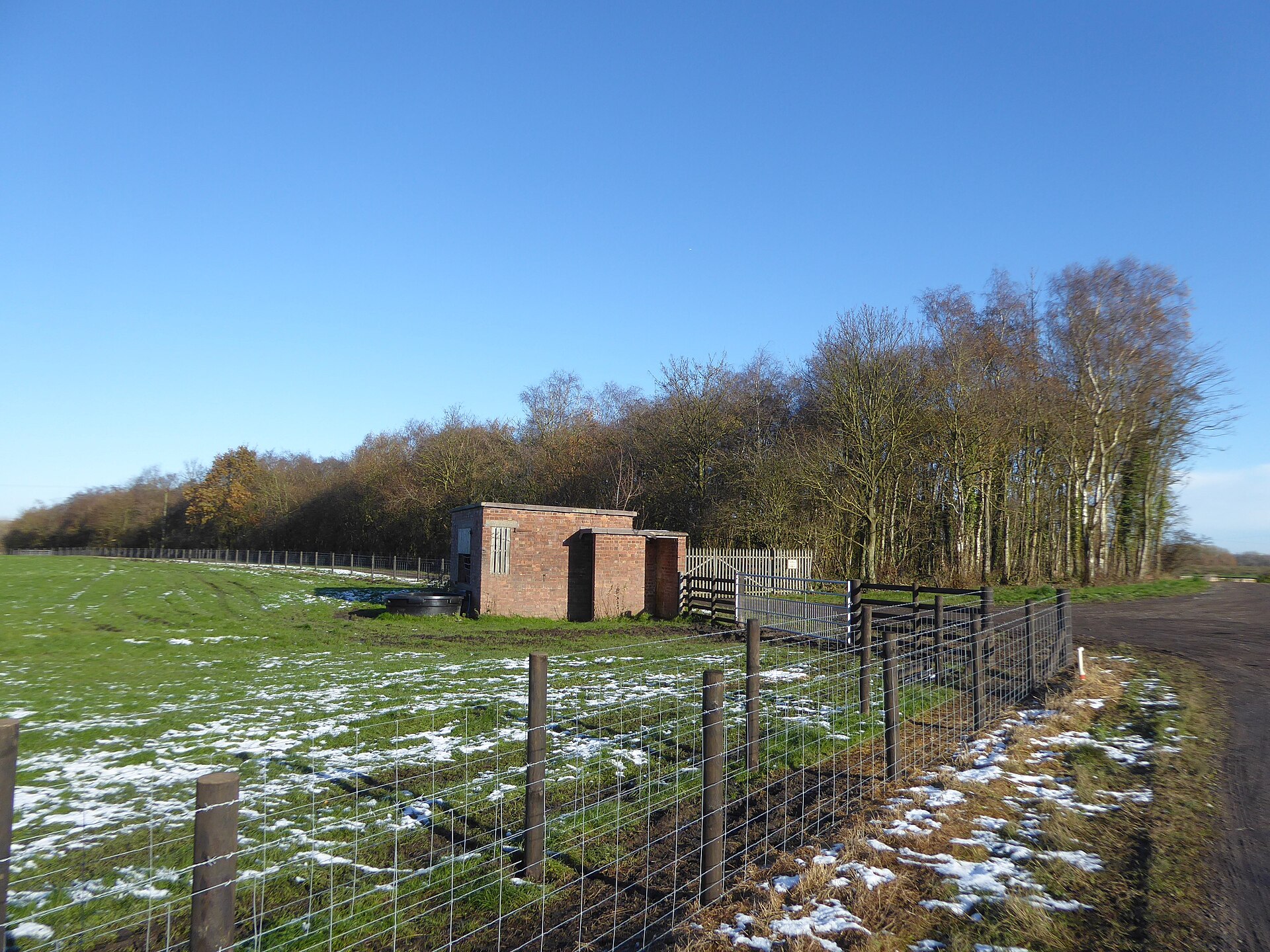
In 1908 Bryn Hall had five shafts and employed 400 underground and 150 on the surface, under the manager Peter Gorton. George Orwell visited it in 1936 while gathering material for The Road to Wigan Pier. It closed in 1945, and the site is now farmland, housing and a water-ski lake north-east of the Three Sisters Recreation Area.
Geology
Lancashire Coal Measures: the Five Feet, Four Feet and Wigan Nine Feet seams. The Nine Feet gave off gas from several blowers and its coal was unusually hard.
Workings
Two shafts in the 1870s, the downcast 11 feet 3 inches and the upcast 12 feet in diameter, 178 yards deep, with furnace ventilation fed from the downcast; pillar and stall working; new pits sunk from 1873 and five shafts by 1908.
Closure
Closed in 1945.
What remains
The site is privately owned and consists of agricultural land, housing and a water-ski lake.
Redevelopment
Agricultural land, housing and a water-ski lake, north-east of the Three Sisters Recreation Area.
Nearby mines
- Bamfurlong Colliery — 1.0 miles (1.7 km) NE
- Garswood Hall Colliery — 1.0 miles (1.7 km) SE
- Low Hall Colliery — 1.6 miles (2.5 km) NE
- Maypole Colliery — 1.6 miles (2.5 km) E, Lancashire
- Ince Moss Colliery — 1.6 miles (2.6 km) NE
Straight-line distance, within 9 miles (15 km). Show on the map.
Disasters & major incidents
-
Bryn Hall Colliery explosion, 1870
19 August 1870 · Explosion · 20 fatalities
At about 9 a.m. on 19 August 1870 a blown-out shot fired gas in the Nine Feet workings of W. and J. B. Crippin's Bryn Hall Colliery, Ashton-in-Makerfield, killing 20. The fireman had let the men drill, charge and fire their own shots. -
Bryn Hall Colliery explosion, 1873
2 June 1873 · Explosion · 6 fatalities
At 12.20 a.m. on 2 June 1873, while shotlighters fired the night's shots in the Wigan Nine Feet mine at the Crippins' Bryn Hall Colliery, Ashton-in-Makerfield, gas exploded twice, wrecking both headgears and killing six of the nine men and boys below. Because the inspector had ordered shots fired at night, the day shift of 250 was out of the pit.
Culture
- George Orwell at Bryn Hall Colliery (Literature)
George Orwell went down this pit, which he called Crippen's, in February 1936 while researching The Road to Wigan Pier.
Recorded claims
Individual factual claims, each attached to the source(s) that support it below. Where sources disagree, both are kept.
- The colliery was worked from 1859 to 1864 by Smith and Sons, then from 1866 by the Crippins until 1892. 1
- The colliery was on Sir Robert Gerard's estate, owned by W. and J. B. Crippin, with two shafts 178 yards deep. 2,3
- Explosions killed twenty on 19 August 1870 and six on 2 June 1873. 2,4,1,3
- In 1908 the colliery had five shafts and employed 400 underground and 150 above ground. 1
- George Orwell visited the colliery in 1936 while gathering material for The Road to Wigan Pier. 1
- The colliery closed in 1945. 1
Photographs & further reading
Owners, employment, the disasters, Orwell's visit and the site today.
View sourceThe shafts and workings in 1873 and the night-time explosion.
View sourceSources
- (secondary) Bryn Hall Colliery — Wikipedia
- (secondary) Bryn Hall Colliery Explosion - Ashton-in-Makerfield - 1870 — Northern Mine Research Society
- (secondary) Bryn Hall Colliery Explosion - Ashton-in-Makerfield - 1873 — Northern Mine Research Society
- (primary) Colliery Disaster: Bryn Hall, 19 August 1870 — Durham Mining Museum
Record created: 3 October 2026 · Last researched: 3 October 2026