 MineArchive
Bromley Colliery
| Location | Stanton Wick, Stanton Drew, Somerset — 51.3543, -2.5665 (approximate) |
|---|---|
| Commodity | Coal |
| Type | Coal |
| Worked | 1860–1957 |
| Maximum depth | Unknown. |
| Operators | L. & N. Gibbs (1895–1896), Bromley Coal Co. Ltd (1900–1908), Pensford and Bromley Collieries Ltd (1910–1921), Pensford and Bromley Collieries (1921) Ltd (1921–1957), National Coal Board (1947–1957) |
Overview
A Somerset coalfield colliery at Stanton Wick, worked from the 1890s to 1957 alongside its sister pit Pensford, marketing a named speciality coal and struck by a fatal cage fall in 1913 that drowned three miners.
History
Bromley Colliery worked coal at Stanton Wick in the parish of Stanton Drew, part of the northern Somerset coalfield. Bromley Pit is recorded from 1860, and it was working by the mid-1890s under L. & N. Gibbs, when only a handful of men were returned there. Ownership passed to the Bromley Coal Co. Ltd by 1900, and then, from 1910, to Pensford and Bromley Collieries Ltd -- the company formed to jointly develop Bromley alongside the new, deeper Pensford Colliery sunk that same year -- and its successor, Pensford and Bromley Collieries (1921) Ltd, from 1921.
Bromley worked the New Vein and Streak in 1905 and the Nos. 4, 5 and 6 Veins from 1910, and its coal was marketed as a named speciality, 'Bromley Smiths' Coal', suited to forge work. A 24-inch gauge tramway on a raised embankment carried its coal towards Pensford, where it was loaded onto the railway. By 1910 the pit employed 122 men underground and 17 on the surface, rising to 385 in all by 1915, and 172 and 33 respectively by 1923, worked under manager M. Watson and later Joseph Smith.
On 7 November 1913, the worst single disaster in the shared history of Bromley and Pensford occurred when a cotter pin in the winding gear's reversing mechanism worked itself loose, sending the cage crashing 60 yards down the shaft; the three men aboard -- John Crick, 35, of Farmborough, Herbert Hillier, 20, of Clutton, and Samuel Urch, 36, of Pensford -- survived the fall itself but drowned in standing water at the shaft bottom before they could be reached. About 250 men then worked at Bromley. Later deaths included Melbourne Parfitt, crushed by a haulage tub in 1929, and Fred Elms in 1932, whose son was killed at the same colliery three years later; lung disease rose after new cutting machinery came in from the late 1920s.
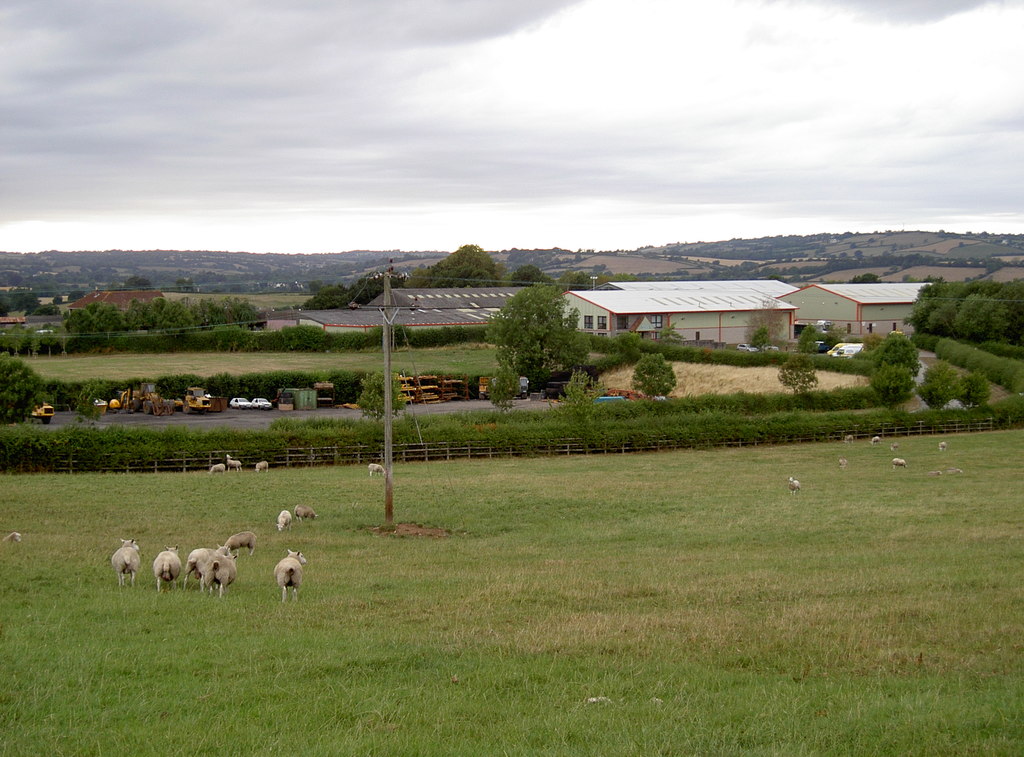
The colliery passed to the National Coal Board in 1947, when 127 men raised 18,000 tons. It closed in 1957, alongside Pensford, as the North Somerset coalfield contracted in its final years. The spoil heap was partly levelled and planted with trees, and a business park now occupies part of the site.
Geology
Coal of the northern Somerset coalfield at Stanton Wick. The colliery worked the New Vein and Streak in 1905 and the Nos. 4, 5 and 6 Veins from 1910; its abandonment plans name the Nos. 2, 4, 5 and 6 seams of the Bromley series.
Workings
Worked coal marketed as the named speciality 'Bromley Smiths' Coal', suited to forge work. A 24-inch gauge tramway on a raised embankment ran from Bromley Pit by way of Broadoak Colliery to carry coal to Pensford for loading onto the railway.
Closure
Closed in 1957, alongside its sister pit Pensford.
What remains
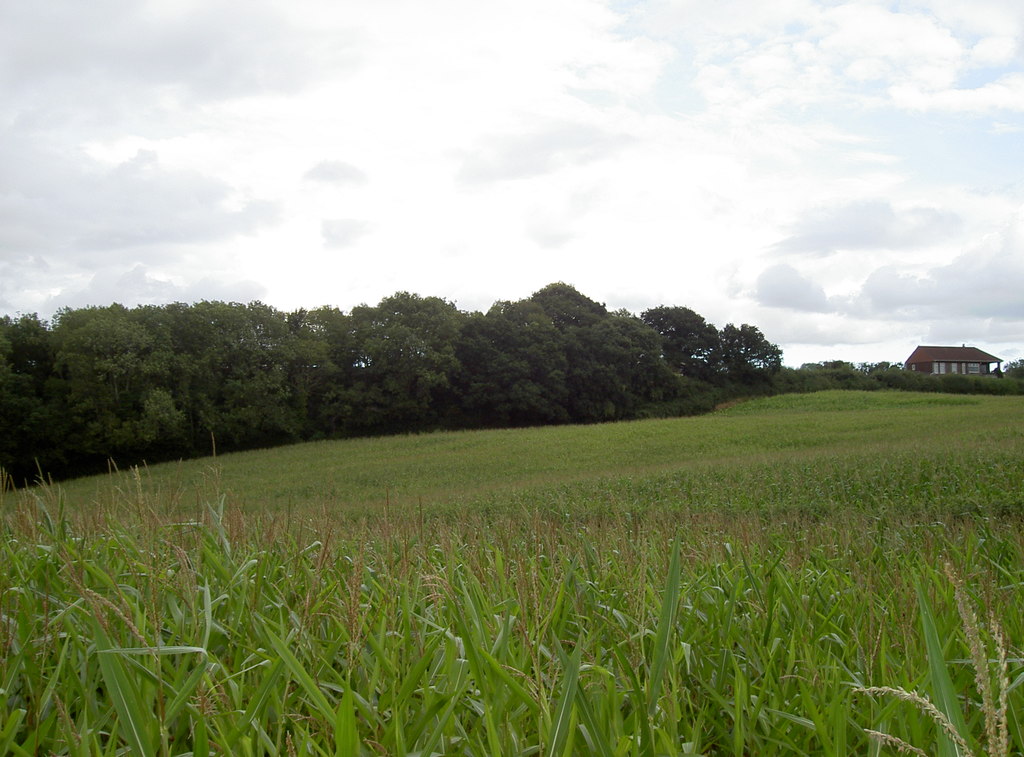
The pit site is now woodland, partly used by a farm machinery contractor, and a modern business park occupies part of the old site. The large spoil heap was partly levelled and planted with trees, and lumps of coal can still be seen in the surrounding ploughed fields.
The wooded spoil heap, traces of some colliery buildings, and the remains of a bridge that carried the tramway to Pensford.
Redevelopment
A business park occupies part of the site; the spoil heap has been partly levelled and planted with trees.
Related mines
- Pensford Colliery — Pensford and Bromley Collieries Ltd was formed specifically to jointly develop the two mines together.
Nearby mines
- Pensford Colliery — 1.1 miles (1.8 km) N
- Burchells Colliery — 2.0 miles (3.3 km) SE
- Greyfield Colliery — 2.9 miles (4.6 km) SE
- Conygre Colliery — 4.7 miles (7.5 km) SE
- Writhlington Colliery — 5.0 miles (8.0 km) SE
Straight-line distance, within 9 miles (15 km). Show on the map.
Disasters & major incidents
-
Bromley Colliery Drowning Disaster (1913)
7 November 1913 · Winding / Shaft Accident · 3 fatalities
A cotter pin worked loose in the winding gear, sending a cage 60 yards down the shaft; all three men aboard survived the fall itself but drowned in standing water before rescue.
Recorded claims
Individual factual claims, each attached to the source(s) that support it below. Where sources disagree, both are kept.
- Bromley was owned by L. & N. Gibbs by the mid-1890s, the Bromley Coal Co. Ltd from 1900, and from 1910 by Pensford and Bromley Collieries Ltd -- formed to jointly develop Bromley alongside the newly sunk Pensford Colliery -- succeeded by Pensford and Bromley Collieries (1921) Ltd from 1921; Bromley's coal was marketed under the named speciality 'Bromley Smiths' Coal'. 1
- On 7 November 1913, a cotter pin in the winding gear's reversing mechanism worked loose, sending the cage 60 yards down the shaft; the three occupants -- John Crick (35), Herbert Hillier (20) and Samuel Urch (36) -- survived the fall but drowned in standing water at the shaft bottom before rescue, the worst single disaster in Bromley and Pensford's shared history. 2
- The pit employed 122 men underground and 17 on the surface by 1910, rising to 172 and 33 respectively by 1923, under managers M. Watson and later Joseph Smith. 1
- Bromley employed 6 in 1894, 56 in 1905, 385 in 1915, 275 in 1933 and 127 in 1947, when it raised 18,000 tons for the NCB. 3
- The colliery worked the New Vein and Streak in 1905 and the Nos. 4, 5 and 6 Veins in 1910 and 1915. 3
- Bromley Pit operated from 1860 to 1957. 4
- About 250 men were employed at the Bromley pit in November 1913, and about 100 were leaving at midday when the cage fell. 2
- Melbourne Parfitt was crushed by a haulage tub at Bromley in 1929; Fred Elms was killed there in 1932 and his son three years later. 2
- A 24-inch gauge tramway on a raised embankment ran from Bromley Pit to Broadoak Colliery to carry coal to Pensford for loading onto the railway; the remains of one of its bridges survive. 5
- The former site of Bromley Pit is a wood, also used by a farm machinery contracting company. 5
- The Bromley series workings were abandoned on 31 December 1957. 6
- The spoil heap was partly levelled and planted with trees, and a modern business park occupies part of the site. 7,8
Photographs & further reading
Owners, output, employment and seams from 1894 to 1947.
View sourceA 2021 local-history account of the deaths at Pensford and Bromley collieries, including the 1913 cage disaster.
View sourceA parish walk past the Bromley Pit site and the line of its tramway to Pensford.
View sourceSources
- (primary) Bromley Colliery (Durham Mining Museum, via Pensford and Bromley Collieries (1921) Ltd company page) — Durham Mining Museum
- (secondary) Series of accidents took a grim toll on miners across North Somerset Coalfield — Midsomer Norton & Radstock Journal
- (primary) Durham Mining Museum - Bromley Colliery — Durham Mining Museum
- (secondary) Stanton Drew — Wikipedia
- (observational) Walk 2: Pensford to Stanton Drew - Publow with Pensford Parish Council — Publow with Pensford Parish Council
- (primary) BGS mine plans: Bromley (No. 2 Bromley series, abandoned 31 Dec 1957) — British Geological Survey / Mining Remediation Authority
- (observational) Woods and windings (Geograph, Neil Owen) — Geograph
- (observational) Wood in place of coal (Geograph, Neil Owen) — Geograph
Record created: 31 August 2026 · Last researched: 2 October 2026