 MineArchive
Arn Gill Mine
| Location | Arn Gill, near Muker, North Yorkshire — 54.3800, -2.1170 (approximate) |
|---|---|
| Commodity | Lead |
| Type | Metal |
| Worked | 1751–1920 |
| Maximum depth | Unknown. |
| Operators | George Cottingham (1865–1865) |
Overview
A Swaledale lead working near Muker, its deeper Adelaide Level named after Lady Adelaide Lamont -- a descendant of the notorious 'Bloody Assizes' judge George Jeffreys -- and worked until 1920, when rising water-pumping costs finally ended it.
History
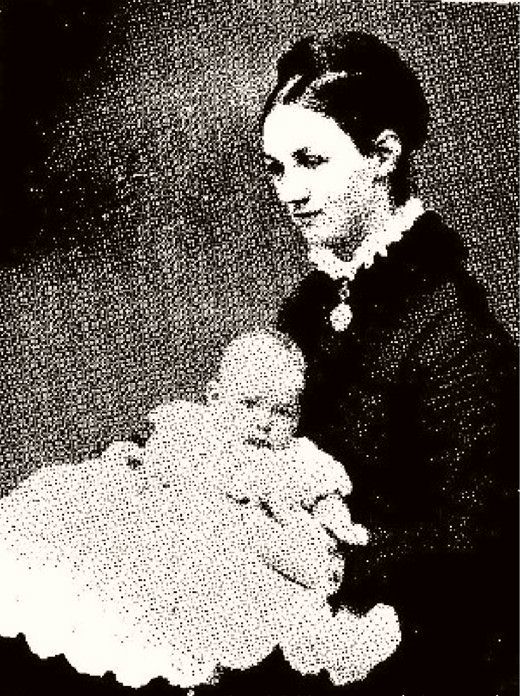
Arn Gill Mine lies in the ravine of the same name near Muker in Swaledale, part of a wider lead-mining landscape worked across the dale from 1751 to 1921. Its deeper working, the Adelaide Level, was named after Lady Adelaide Louisa Elizabeth Lamont (1842-1925), daughter of Sir George Denys of Draycott Hall and a descendant of Judge George Jeffreys, the 17th-century 'Hanging Judge' notorious for the Bloody Assizes. In 1865 the Muker lead miner George Cottingham and his son made a rich strike at the Adelaide Level, yielding galena valued at around £12,000 -- more than £1.3 million in 2025 terms -- and a further thirty tons of ore were found there as late as 1918. An 1864 report on conditions in the district's lead mines had already found over 62 per cent of local workings suffering from extremely impure air, with silicosis (miners' asthma), caused by poor ventilation, explosive fumes and mineral dust, the most prevalent occupational disease among the men who worked them. The mine was finally abandoned in 1920, when the cost of pumping water out of the deep workings became uneconomic.
Geology
Lead in upper Swaledale, worked from the deeper Adelaide Level; the ore was galena, struck richly in 1865 and still being found there as late as 1918.
Workings
Worked via the deeper Adelaide Level, which yielded a rich galena strike in 1865 (about £12,000) and further ore as late as 1918.
Closure
Abandoned in 1920, when the cost of pumping water from the deep workings became uneconomic -- part of the wider Swaledale lead-mining landscape's own decline, which continued in other workings until 1921.
What remains
The Adelaide Level's entrance was rebuilt by the Yorkshire Mine and Cave Group between 2008 and 2010; the mine's original engraved entrance-arch keystone, found in 1998, is preserved at Swaledale Museum in Reeth, alongside photographs of the former workings.
A rebuilt entrance to the Adelaide Level; the original engraved keystone is held at Swaledale Museum rather than on site.
Nearby mines
- Beldi Hill Mine — 2.1 miles (3.3 km) NW
- Crackpot Moor Mine — 2.1 miles (3.3 km) W
- Sun Hush Mine — 2.0 miles (3.3 km) N
- Swinnergill Mine — 2.1 miles (3.4 km) NW
- Beezy Mine — 2.9 miles (4.6 km) SE
Straight-line distance, within 9 miles (15 km). Show on the map.
Recorded claims
Individual factual claims, each attached to the source(s) that support it below. Where sources disagree, both are kept.
- In 1865 George Cottingham and his son made a rich galena strike at the Adelaide Level worth around £12,000; a further thirty tons of ore were found there in 1918, before the mine was abandoned in 1920 due to pumping costs. 1
- An 1864 report found over 62% of local Swaledale lead mines suffering extremely impure air, with silicosis the most prevalent occupational disease among the miners who worked them. 2
- Thirty more tons of ore were found in the Adelaide Level in 1918, but by 1920 the cost of pumping water out of the mine was too great and it was abandoned. 1
- The Adelaide Level was driven in 1865 by Sir George Denys's A.D. Company, after trials at West Arn Gill in 1811 and 1866 had found no ore. 1
Photographs & further reading
Wider context on the Swaledale lead-mining landscape Arn Gill Mine formed part of.
View sourceSources
- (secondary) Arn Gill (North Yorkshire) — Wikipedia
- (secondary) Lead Mining in Swaledale — Yorkshire Dales National Park
Record created: 1 September 2026 · Last researched: 24 September 2026