 MineArchive
Aberpergwm Colliery
| Location | Glynneath, Vale of Neath, Neath Port Talbot — 51.7511, -3.6639 (exact) |
|---|---|
| Commodity | Coal |
| Type | Coal |
| Worked | 1811–1985 (reopened 1996) |
| Operators | W. Williams (1860–1880), Morgan Stuart Williams (1880–1920), Vale of Neath Collieries Co. (1920–1929), Amalgamated Anthracite Collieries Ltd (1929–1947), National Coal Board (1947–1985), Anthracite Mining Ltd (1996–?) |
Overview
A Vale of Neath anthracite colliery worked as drift mines since 1811, closed by the NCB in 1985 and reopened a decade later -- one of the last deep anthracite mines still working in Wales.
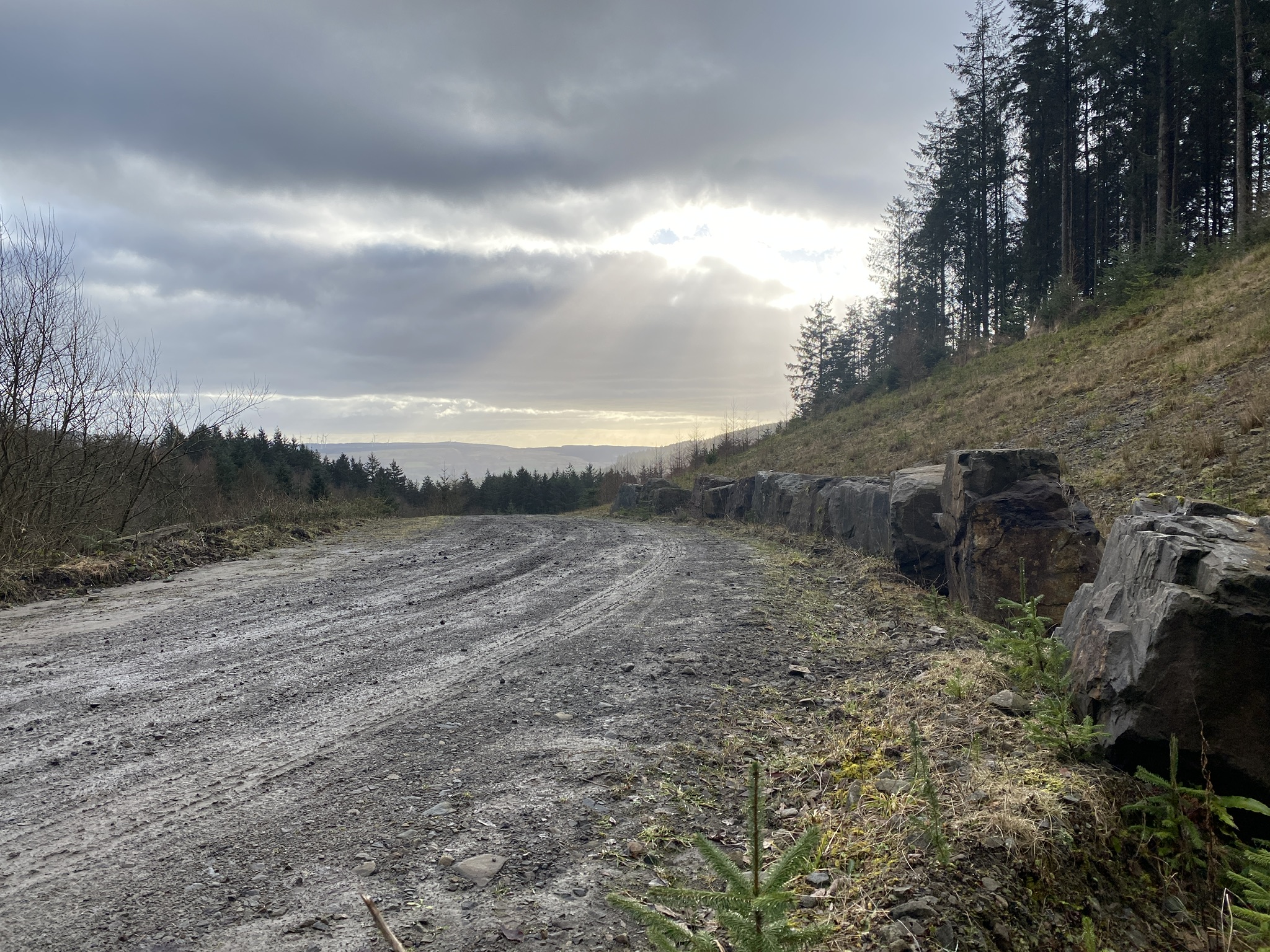
History
Aberpergwm, near Glynneath in the Vale of Neath, had been worked as a series of drift mines since 1811, though full commercial working only began in the 1860s when W. Williams opened a mine on the site. From 1880 it was consolidated with the neighbouring Pwllfaron drift under the single ownership of Morgan Stuart Williams, and a new drift opened in 1906 gave the combined colliery access to the Eighteen Feet, Four-Feet, Nine-Feet, Three-Feet and Cornish seams. The colliery was bought by the Vale of Neath Collieries Co. in 1920, itself absorbed into Amalgamated Anthracite Collieries Ltd in 1929, before nationalisation. In 1950, under British Coal, the drift workings employed 855 men on the Eighteen Feet, Nine Feet and Three Feet seams. A £750,000 investment in the early 1970s opened up extraction from the Pentreclwylla Fault, but the National Coal Board closed Aberpergwm on 7 October 1985. The drift was reopened in 1996 by local investors, Anthracite Mining Ltd, with estimated recoverable reserves of 7.6 million tonnes of high-grade anthracite -- one of the last deep anthracite workings in Wales still active into the 21st century.
Geology
Coal of the South Wales field at the head of the Neath valley, reached by drift rather than shaft: the Eighteen Feet, Four-Feet, Nine-Feet, Three-Feet and Cornish seams, and from the 1970s ground beyond the Pentreclwylla Fault.
Workings
Worked as drift mines rather than through a shaft, reaching the Eighteen Feet, Four-Feet, Nine-Feet, Three-Feet, Cornish and (from the 1970s) Pentreclwylla Fault seams.
Closure
Closed by the National Coal Board on 7 October 1985; reopened in 1996 by Anthracite Mining Ltd.
What remains
Reopened in 1996 by Anthracite Mining Ltd and worked into the 21st century, including by opencast extraction alongside the underground drift, with recoverable reserves estimated at 7.6 million tonnes of anthracite.
Related mines
- Pentreclwydau Colliery — Pentreclwydau was driven to work Aberpergwm's western take, and its coal went to the Aberpergwm washery.
- Pwllfaron Colliery — Neighbouring anthracite colliery under the same owners from about 1910; Pwllfaron became its main drift after 1947.
Nearby mines
- Blaenpergwm Colliery — 0.2 miles (0.4 km) NE
- Graig y Fforest No.2 Colliery (Pinetrees) — 0.9 miles (1.4 km) SE
- Bryn-y-Garn Colliery — 0.9 miles (1.5 km) NW
- Elwyn Colliery — 0.9 miles (1.5 km) NW
- Nant Hir Colliery — 0.9 miles (1.5 km) NW
Straight-line distance, within 9 miles (15 km). Show on the map.
Disasters & major incidents
-
Aberpergwm Colliery runaway tram, 1901
13 August 1901 · Haulage / Transport · 2 fatalities
Two riders were killed at Aberpergwm Colliery, Glynneath, on 13 August 1901 when an empty tram ran into the timber trolley they were riding.
Recorded claims
Individual factual claims, each attached to the source(s) that support it below. Where sources disagree, both are kept.
- A £750,000 investment in the early 1970s opened up extraction from the Pentreclwylla Fault. 1
- Reopened in 1996 by Anthracite Mining Ltd, with recoverable reserves estimated at 7.6 million tonnes of anthracite. 2
- Full commercial working at Aberpergwm began in the 1860s when W. Williams opened a mine on ground that had already seen drift working since 1811. 1
Sources
- (secondary) Aberpergwm Colliery — Northern Mine Research Society
- (secondary) Aberpergwm Coal Mine — Global Energy Monitor
Record created: 1 September 2026 · Last researched: 1 September 2026