 MineArchive
Miners (Wilfred Owen)
| Category | Literature |
|---|---|
| Dates | Minnie Pit explosion 12 January 1918; poem written January 1918 at Scarborough; NCB memorial early 1980s. |
A poem Wilfred Owen wrote in under an hour at Scarborough in January 1918, in direct response to the Minnie Pit disaster at Halmer End, Staffordshire, where a firedamp explosion on 12 January killed 155 men and boys, among them 40 lads under 16. Gazing into a coal fire, Owen hears the coal's memory of ancient forests turn into the moans of men 'writhing for air', and the dead miners merge with the soldiers dying on the Western Front.
The mining history in this record
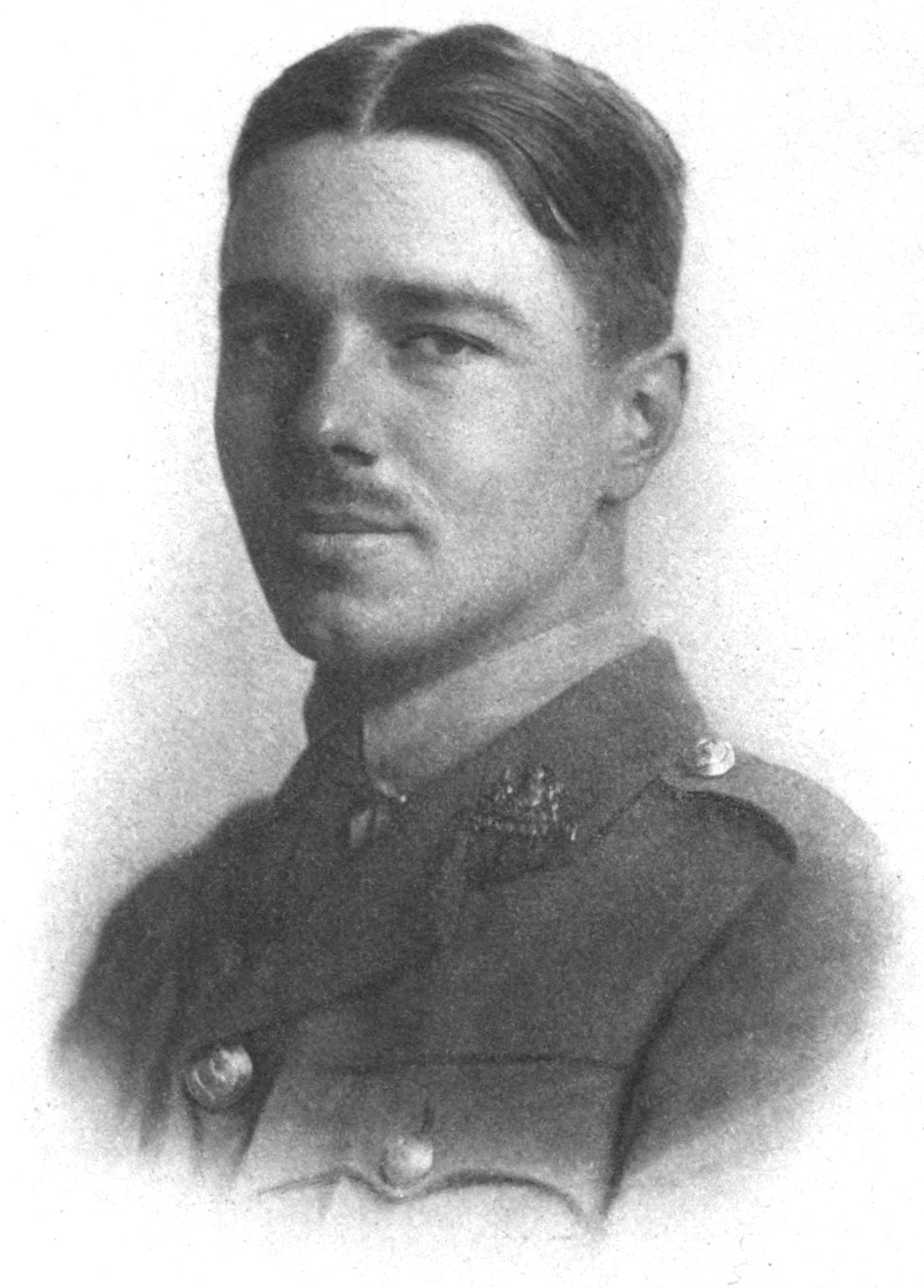
Owen had been discharged from Craiglockhart War Hospital, where he was treated for shell-shock, and rejoined the 3/5th Manchester Regiment at Scarborough, where he was mess secretary and lived in a turret room of the Clarence Gardens Hotel overlooking the sea. News of the Minnie Pit explosion reached him there: on Saturday 12 January 1918 a blast tore through the Bullhurst and Banbury seams while 248 men and boys were underground, and 155 died, the worst disaster in the North Staffordshire coalfield; a rescuer died too. Owen knew miners better than most officers of his background: he had been struck by a Northumberland pit-lad at a convention in Keswick in 1912, and many of his platoon were Lancashire miners he described in 1916 as 'hard-handed, hard-headed'. He was also a keen amateur geologist, and the poem's 'smothered ferns' and 'frond-forests' are the fossil plants of coal.
Owen noted: 'Wrote a poem on the Colliery Disaster: but I get mixed up with the War at the end. It is short, but oh! sour.' The poem opens with the poet listening to his hearth for 'a tale of leaves', but the hissing coals recall the dying miners, and by its end future generations dozing by their fires will not think of the 'lads' whose toil and deaths went into the coal, in the pits or the trenches. For a planned collection Owen subtitled it 'How the future will forget the dead in war'.
People
Wilfred Owen (1893-1918), poet, then an officer of the 3/5th Manchester Regiment at Scarborough. The 155 men and boys killed at the Minnie Pit, Halmer End, 12 January 1918.
Legacy today
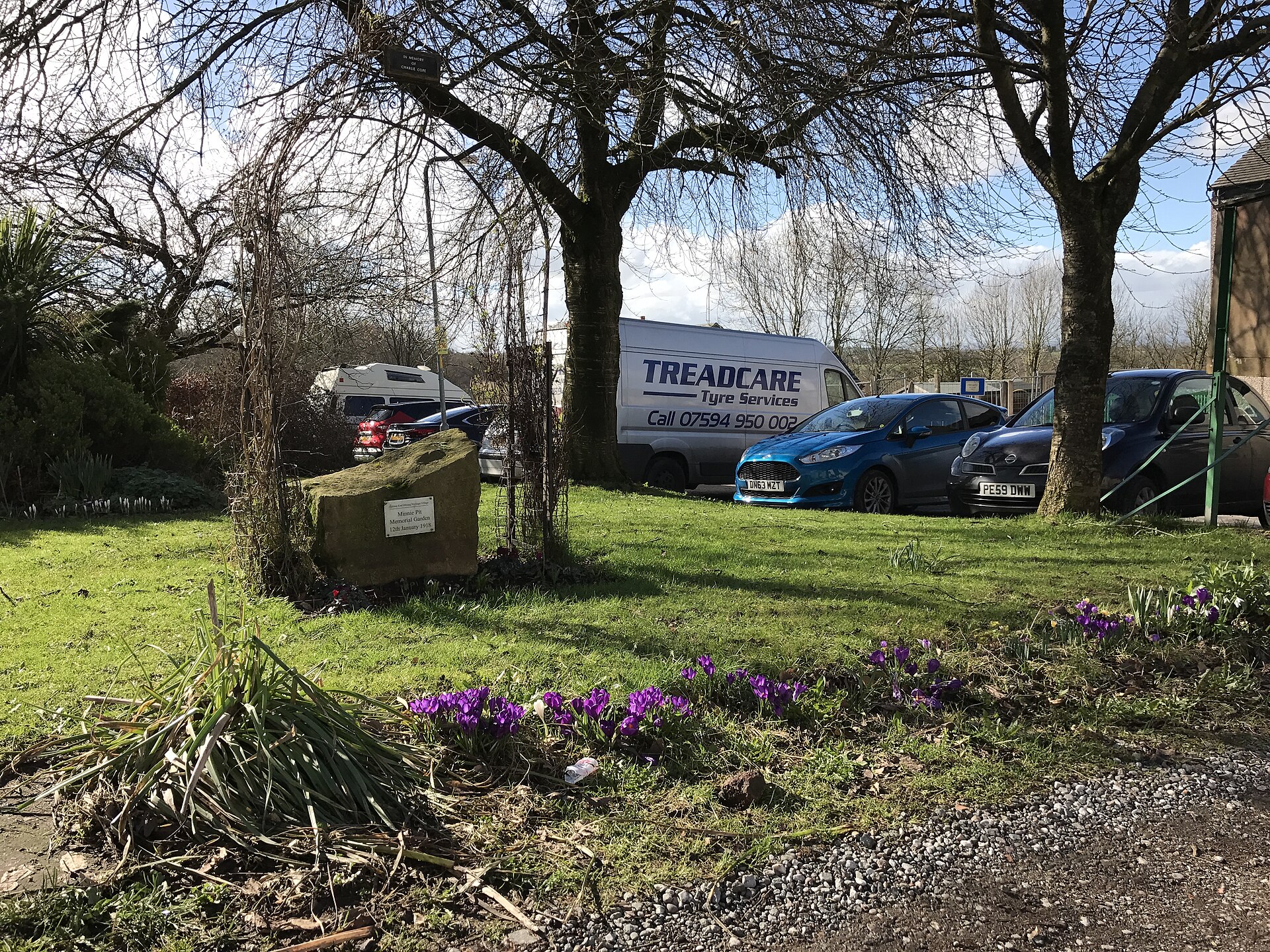
At Halmer End a memorial raised by the National Coal Board and the council in the early 1980s commemorates all who died at the Minnie Pit between 1890 and 1931, and a memorial garden in the village keeps the 1918 disaster in view.
Mining language in this record
Words and phrases in this record that are genuine mining terminology, occupations, methods or economic practice — not scenery or ordinary regional language that merely appears in a mining-adjacent work.
| Expression | Meaning | MineArchive connection |
|---|---|---|
| pit-lads | Boys working underground; 40 of the Minnie Pit dead were under 16. (England) | Putter — (B) Closest Term is putter, one of the jobs boys did; the poem uses 'lads' generally. |
Recorded claims
Individual factual claims, each tagged with how solidly it's grounded and attached to the source(s) that support it. Where sources disagree, both are kept.
- Owen wrote 'Miners' at Scarborough in January 1918 in direct response to the Minnie Pit disaster. (documented fact) 1
- The poem's Wikipedia article gives 156 dead (155 miners and 1 rescue worker), including 40 pit-lads under 16. (documented fact, disputed) 1
- The disaster article gives 155 men and boys killed of 248 underground, the worst disaster in the North Staffordshire coalfield. (documented fact, disputed) 2
- Owen wrote that he 'get[s] mixed up with the War at the end. It is short, but oh! sour.' (contemporary account) 1
- For a projected volume Owen subtitled the poem 'How the future will forget the dead in war'. (documented fact) 1
- In the early 1980s the NCB and local council erected a memorial at Halmer End to those who died at the Minnie Pit, 1890-1931. (documented fact) 2,3
Mines
- Minnie Pit — Staffordshire
Owen's 'Miners' was written in direct response to the Minnie Pit explosion of 12 January 1918.
Disasters
- Minnie Pit Explosion, 1918 — 12 January 1918
The disaster that occasioned Owen's poem 'Miners'.
People
- Wilfred Owen (1893–1918) · author, 1918 — Wrote 'Miners' in response to the Minnie Pit disaster.
Regions
Real-world mining concepts used here
Sources
- (secondary) Miners (poem) — Wikipedia
- (secondary) Minnie Pit Disaster — Wikipedia
- (secondary) Minnie Pit memorial — North Staffordshire Mining Group (Apedale)
Record created: 18 September 2026 · Last researched: 18 September 2026