 MineArchive
Wheal Cock
| Location | Botallack, St Just, Cornwall — 50.1463, -5.6913 (approximate) |
|---|---|
| Commodities | Tin, Copper |
| Type | Metal |
| Worked | 1778 (reopened)–1914 |
| Operators | Stephen Harvey James (1835–1863) |
Overview
A tin and copper mine at Botallack, in the St Just district of west Cornwall, worked from 1778 and amalgamated with its neighbours into Botallack Mine after 1841; the type locality for the rare copper mineral botallackite, discovered here in 1865.
History
Wheal Cock was reopened in 1778 and became one of several small setts -- alongside Wheal Chase, Zawn a Bal, Wheal Hazard and Wheal Hen -- amalgamated into Botallack Mine after 1841. By 1874, once the Crowns section (the cliff-edge workings that made Botallack famous) was worked out, production shifted to centre on Wheal Cock itself, and the sett was enlarged again as late as 1883 even as managers tried and failed to sell the rest of the mine. Wheal Cock closed after two flooding incidents, in 1894 and again in 1895, when an underground dam collapsed and let water from other workings flood the richer ground faster than the pumping engines could clear it. It reopened in 1906, with a shaft sunk to 1,400 feet (426m), and worked on for several more years before the remaining tin reserves, by then far out under the sea, forced final closure in 1914.
Geology
Wheal Cock is the type locality for botallackite, a basic copper chloride mineral first described from material collected here in 1865 -- one of relatively few minerals with their type locality in Cornwall.
Workings
Reopened in 1906 with a shaft sunk to 1,400 feet, the workings running far out under the sea.
Closure
Closed after two flooding incidents, in 1894 and again in 1895, when an underground dam collapsed and let water into the workings.
What remains
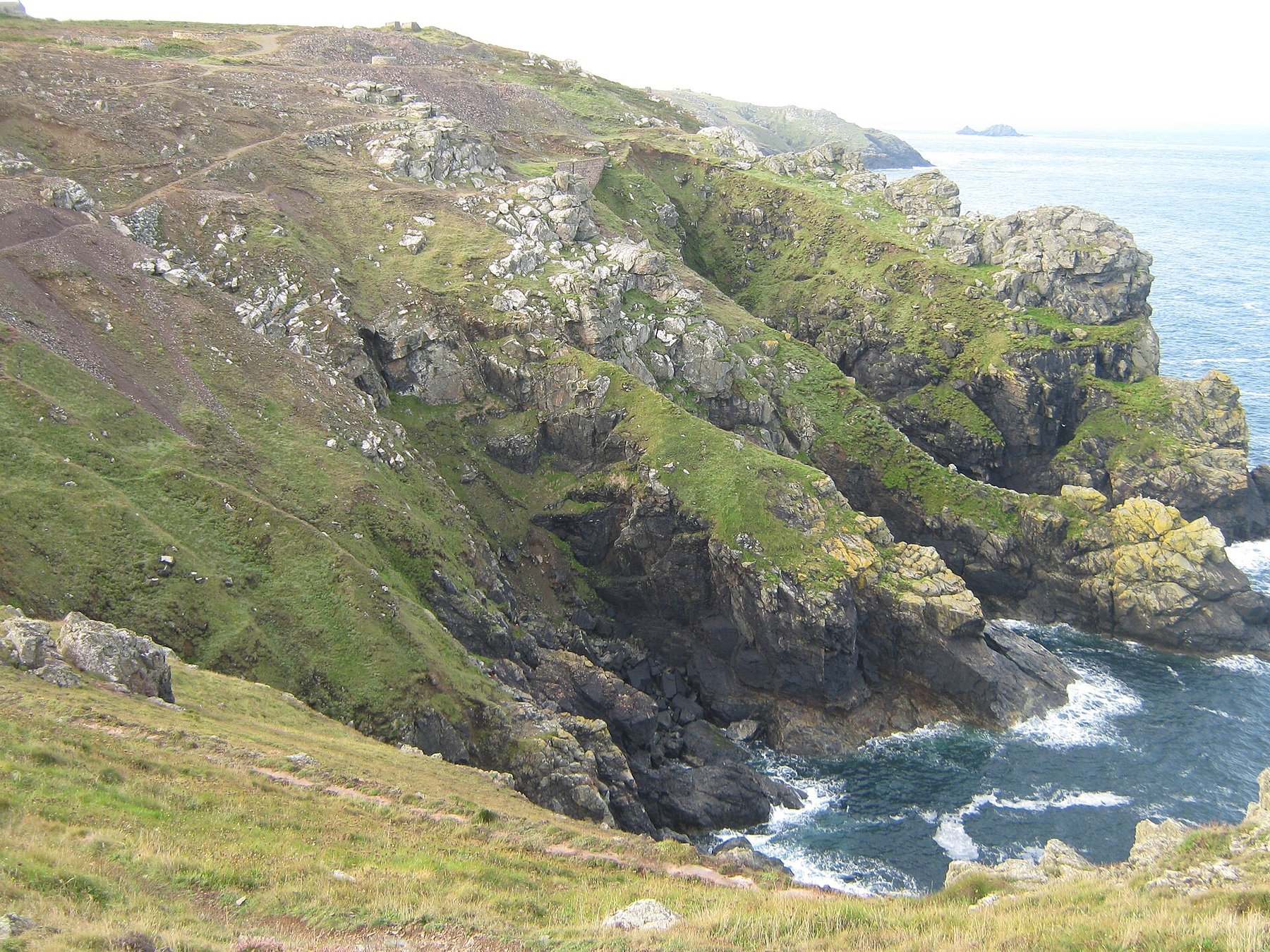
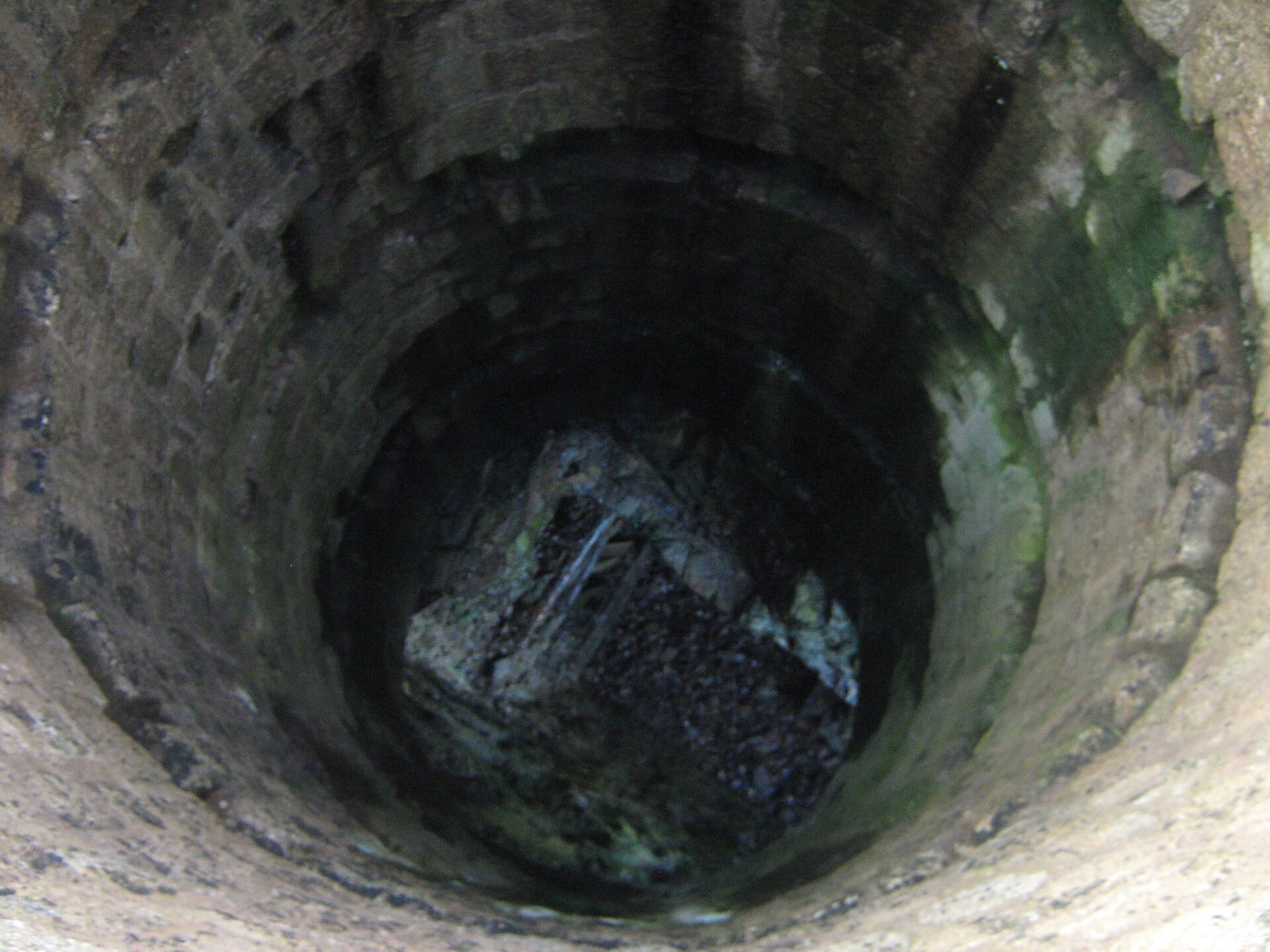
Several walled shafts and extensive dumps survive west of the South West Coast Path, opposite the now-levelled dumps of the former Wheal Hen.
Related mines
- Basset and Grylls Mine — Basset and Grylls, first called Porkellis United, included the workings of Wheal Cock.
- Botallack Mine — Wheal Cock was amalgamated into Botallack Mine after 1841.
Nearby mines
- Wheal Edward — 0.4 miles (0.6 km) SE
- Botallack Mine — 0.4 miles (0.7 km) S
- Higher Levant Mine — 0.4 miles (0.7 km) E
- Levant Mine — 0.5 miles (0.8 km) NE
- Geevor Tin Mine — 0.8 miles (1.3 km) NE
Straight-line distance, within 9 miles (15 km). Show on the map.
Recorded claims
Individual factual claims, each attached to the source(s) that support it below. Where sources disagree, both are kept.
- Wheal Cock, reopened in 1778, became one of several setts amalgamated into Botallack Mine after 1841; once the cliff-edge Crowns section was worked out by 1874, production centred on Wheal Cock, which was further enlarged in 1883. 1
- Wheal Cock closed after flooding in 1894 and again in 1895, when a collapsed underground dam let water flood the richer workings faster than the pumps could clear it; it reopened in 1906 with a shaft sunk to 1,400 feet, finally closing in 1914 once the remaining tin lay far out under the sea. 1
- Wheal Cock is the type locality for botallackite, a copper mineral first described from material found here in 1865. 2
- Stephen Harvey James bought the Botallack sett, including Wheal Cock, in 1835 and kept it working at a loss until a major 1841 copper discovery secured its finances; the mine's workforce peaked at over 550 people under his ownership. 3
- Buddlepit records Wheal Cock, a copper and tin mine worked from the 1770s to 1841, at 50.146337, -5.691302 (SW 3638 3389), 64 metres up on open-access land at St Just, lying in the north-western part of the Botallack sett with several walled shafts and extensive dumps surviving. 4
Photographs & further reading
The NMRS account of the Botallack setts, including Wheal Cock's amalgamation, the 1894-95 floods and the 1906 reopening.
View sourceSources
- (secondary) Botallack Mines — Northern Mine Research Society
- (secondary) Mines in St Just Area of Cornwall — Cornwall Calling
- (secondary) The history of Botallack — National Trust
- (secondary) Wheal Cock (Buddlepit Mine Database) — Buddlepit / Mining History Trust
Record created: 29 August 2026 · Last researched: 24 September 2026