 MineArchive
Waterloo Main Colliery
| Also known as | Temple Pit |
|---|---|
| Location | Temple Newsam estate, east Leeds, West Yorkshire |
| Commodity | Coal |
| Type | Coal |
| Worked | c. 1854–1968 |
| Maximum depth | Unknown. |
| Operators | John Towlerton Leather (1851–?), Waterloo Main Colliery Company (?–1947), National Coal Board (1947–1968) |
Overview
John Towlerton Leather's colliery on the Temple Newsam estate, east of Leeds, opened in the 1850s and worked through its Park and Temple pits until December 1968, with its own tramway carrying coal into the city.
History
Waterloo Main Colliery lay on the Temple Newsam estate on the eastern edge of Leeds. Coal had already been worked there at the Waterloo colliery of Kirkby Fenton, which the engineer and contractor John Towlerton Leather joined as a partner in 1843, investing £3,500. Leather withdrew from the partnership in 1851 and soon afterwards opened his own colliery nearby, calling it Waterloo Main; he was its proprietor for many years, alongside his work on the Portland breakwater and as founder of the Hunslet Engine Company. The colliery is recorded from 1854.
Waterloo Main was worked through several pits. The Park Pit, sunk in 1857, was discontinued in November 1927 and used as a pumping station from 1929 to 1945; a Dam Pit, sunk in 1906, worked from 1907 to 1916; and the Temple Pit was sunk in 1913-14. In 1900 the colliery's Beeston and Middleton returns together counted 765 men, raising household and later gas coal from the Beeston, Crow and Silkstone seams. In 1923 the Park Pit employed 1,231 men, and in 1933 the Temple Pit 932. Under the National Coal Board from 1947, Temple and Park produced 216,000 tons with 805 men.
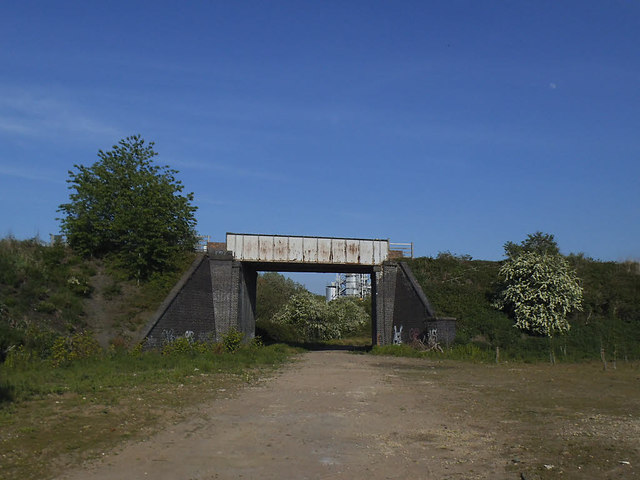
The colliery had its own railway system, all within the Leeds boundary, including a roadside tramway three and a quarter miles long that carried coal daily to a landsale depot at the Cross Green Lane coal drops. Waterloo Main closed in 1968, in December by one account and September by another, and the last abandonment plans of the Temple Pit are dated 1969.
Geology
The Beeston, Crow, Middleton Little and Silkstone seams.
Workings
The Park Pit (sunk 1857), Dam Pit (1906) and Temple Pit (1913-14), with a colliery railway and a 3¼-mile roadside tramway to coal drops at Cross Green Lane.
Closure
Closed in 1968; the last Temple Pit plans are dated 1969.
What remains
Unknown.
What's uncertain
Points where sources disagree or the record could not be settled; both accounts are kept. All open questions in the archive.
- Waterloo Main closed in December 1968. (disputed) 2
- Waterloo colliery, Leeds, closed in September 1968. (disputed) 5
Recorded claims
Individual factual claims, each attached to the source(s) that support it below. Where sources disagree, both are kept.
- John Towlerton Leather joined Kirkby Fenton's Waterloo colliery partnership at Temple Newsam in 1843, withdrew in 1851 and shortly afterwards opened his own colliery nearby, Waterloo Main. 1
- Waterloo Main's Park Pit was sunk in 1857 and discontinued in 1927, the Dam Pit was sunk in 1906 and the Temple Pit in 1913-14. 2
- In 1923 Waterloo Main's Park Pit employed 1,231 men; in 1947 Temple and Park produced 216,000 tons with 805 men. 3
- In 1968 Waterloo Main had its own railway system within the Leeds boundary, with a 3¼-mile roadside tramway to a landsale depot at Cross Green Lane. 4
- Waterloo Main closed in December 1968. (disputed) 2
- Waterloo colliery, Leeds, closed in September 1968. (disputed) 5
- The last abandonment plans of Waterloo Main (Temple Pit) are dated 1969. 6
Sources
- (secondary) John Towlerton Leather — Wikipedia
- (secondary) Yorkshire coal mines since 1854: W — Northern Mine Research Society
- (primary) Waterloo Main Colliery — Durham Mining Museum
- (secondary) Industrial Railway Record No. 22 (December 1968): Picture Parade — Industrial Railway Society
- (secondary) Leeds and Bradford Coalfields: collieries after nationalisation — Northern Mine Research Society
- (primary) BGS / Mining Remediation Authority mine plan 21882727: Waterloo Main (Temple Pit), abandoned 1969 — British Geological Survey
Record created: 21 October 2026 · Last researched: 21 October 2026